Physical Address
304 North Cardinal St.
Dorchester Center, MA 02124
Physical Address
304 North Cardinal St.
Dorchester Center, MA 02124

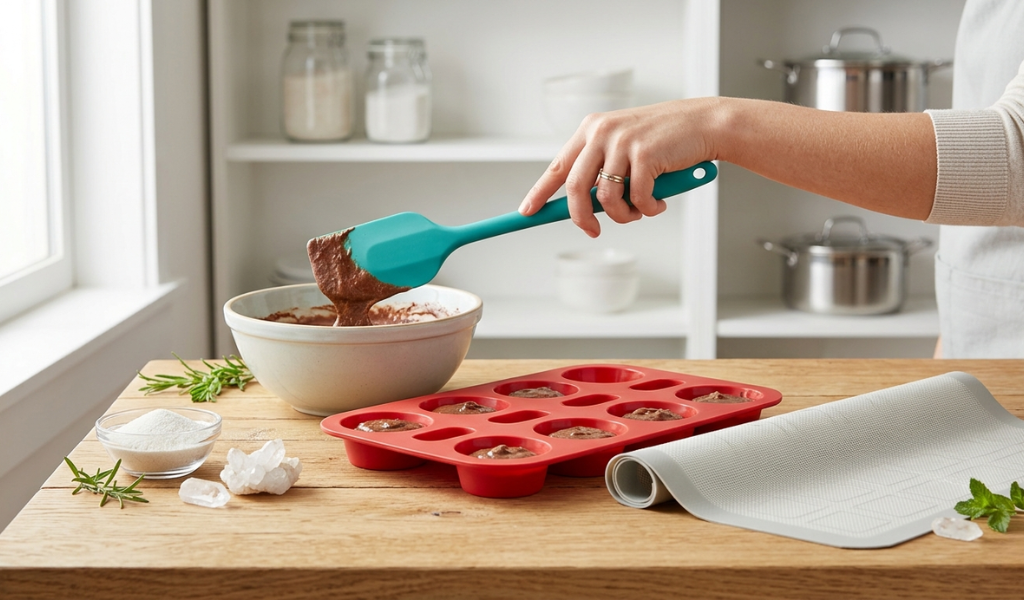
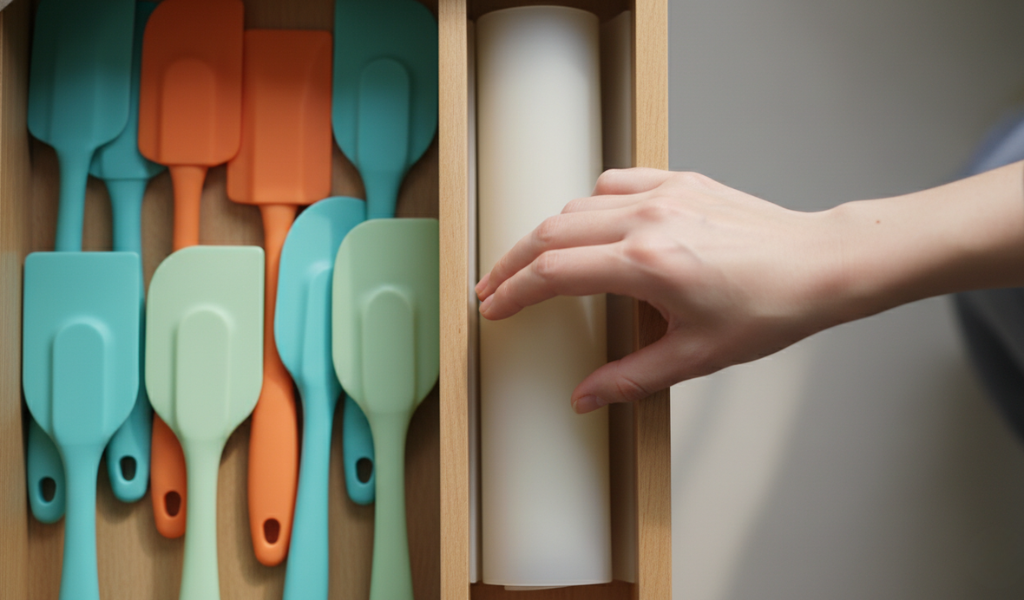
When you walk through the kitchen aisle of any store today, you are met with a rainbow of colors. From bright red muffin tins to lime green spatulas, silicone has officially taken over the modern kitchen. It’s lightweight, non-stick, and seemingly indestructible. But as we move away from traditional materials like stainless steel or glass, a big question remains: Is silicone safe for cooking and baking, or are we leaching “chemicals” into our Sunday morning muffins?
If you have ever felt a bit “hesitant” about putting a rubbery mold into a 400°F oven, you aren’t alone. We’ve spent years learning about the dangers of certain plastics and BPA, so it’s only natural to wonder if this flexible “synthetic rubber” is truly a better alternative.
In this comprehensive guide, we will dive deep into the science, the safety standards, and the practical tips you need to know about using silicone bakeware and cookware tools. Let’s find out if silicone deserves a permanent spot in your pantry.
In simple terms, silicone is a flexible, heat-resistant material commonly used in kitchen tools and bakeware. To understand safety, we first have to understand the “ingredients”. Many people assume silicone is just another form of plastic, but it’s actually a bit of a hybrid.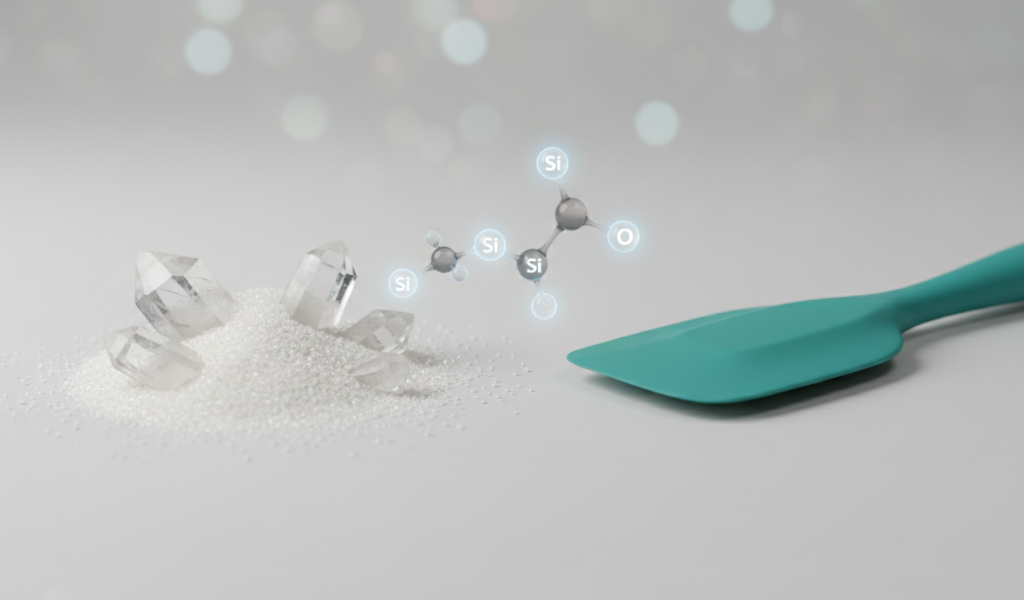
Silicone is a synthetic polymer made from silicon (a natural element found in abundance in sand and quartz), oxygen, carbon, and hydrogen. While it starts with a natural base, it undergoes chemical processing to become the flexible, heat-resistant material we use to flip pancakes.
The result is a material that feels like rubber but acts like a high-performance ceramic. It is chemically “inert”, meaning it shouldn’t react with food or give off hazardous fumes under normal conditions.
The short answer is yes, silicone is generally considered safe for daily kitchen use by major health bodies like the FDA and Health Canada. Unlike some non-stick coatings (like Teflon) that can release toxic fumes if overheated, high-quality silicone doesn’t outgas at standard baking temperatures.
However, the word “quality” is doing a lot of heavy lifting here. Not all silicone is created equal. Is silicone safe for cooking if it’s cheap and filled with additives? Not necessarily. While the pure material is stable, low-cost manufacturers often add “fillers” to save money. These fillers can compromise the safety of the product when exposed to high heat.
Technically, no—but they are distant cousins. While both belong to the polymer family, their molecular backbones are completely different. This is a vital distinction for anyone worried about the “environmental footprint” or health impact of their kitchen tools.
Think of it this way: plastic is a product of the oil industry, whereas silicone is essentially a “man-made rubber” derived from silica (sand). Because it doesn’t rely on the same petroleum-based softeners that plastics do, it doesn’t become brittle over time. It stays flexible and stable, making it a much more durable and eco-friendly choice for long-term use.
When shopping, you might see labels like “Food Grade” or “Platinum Grade.” This isn’t just marketing fluff; it indicates the level of “purity” in the manufacturing process.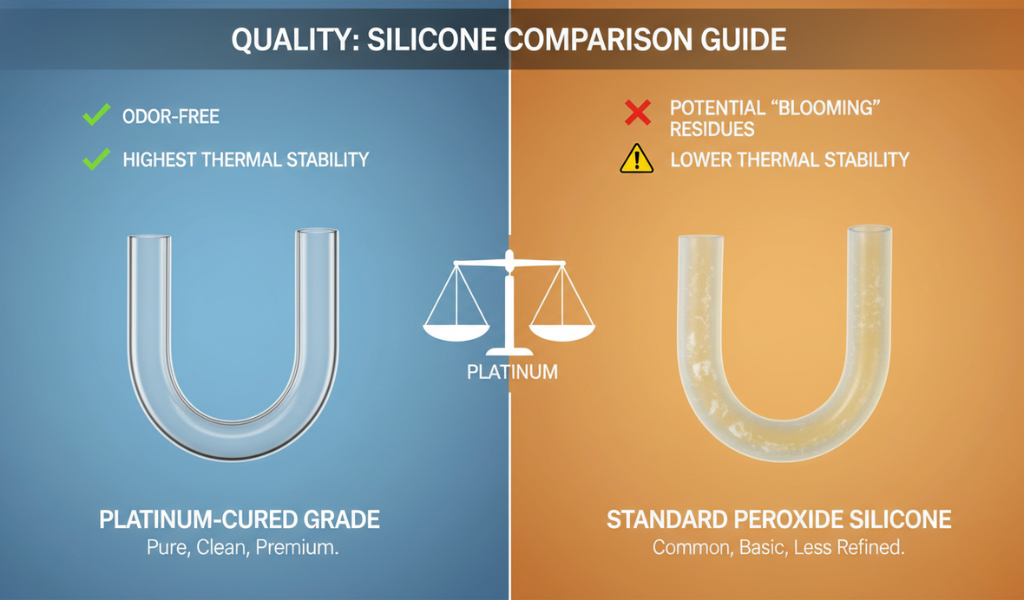
Food grade silicone is a type of silicone that is specifically tested and approved for contact with food. To earn this label, the material must be non-toxic, non-reactive, and able to withstand extreme temperatures without leaching any of its components into your meal. It is a “closed-cell” material, meaning it doesn’t have pores that trap bacteria or food particles.
Platinum-cured silicone is the absolute gold standard. Most standard silicone is cured using peroxide, which can sometimes leave behind a faint “blooming” or white residue. Platinum-cured versions use precious metals to catalyze the bonding process. The result? A cleaner, stronger material with zero odor, higher clarity, and the highest possible safety profile for cooking and baking. If you are a professional baker or someone who cooks at high frequencies, investing in platinum-grade is always the better move.
Why has this material become so popular? Aside from the safety profile, it offers several “practical advantages” that metal and glass simply can’t match. If you are looking to streamline your kitchen, here is why silicone bakeware and cookwareing tools are game-changers:
The most common question home cooks ask is: Can you put silicone in the oven? The answer is yes, but you must respect the thermal limits of the material to ensure it remains “chemically stable”.
Generally, high-quality food-grade silicone is rated for temperatures ranging from -40°F to 428°F (-40°C to 220°C). Some premium, platinum-cured brands can safely reach 500°F (260°C), but these are the exception rather than the rule.
Critical Safety Guidelines: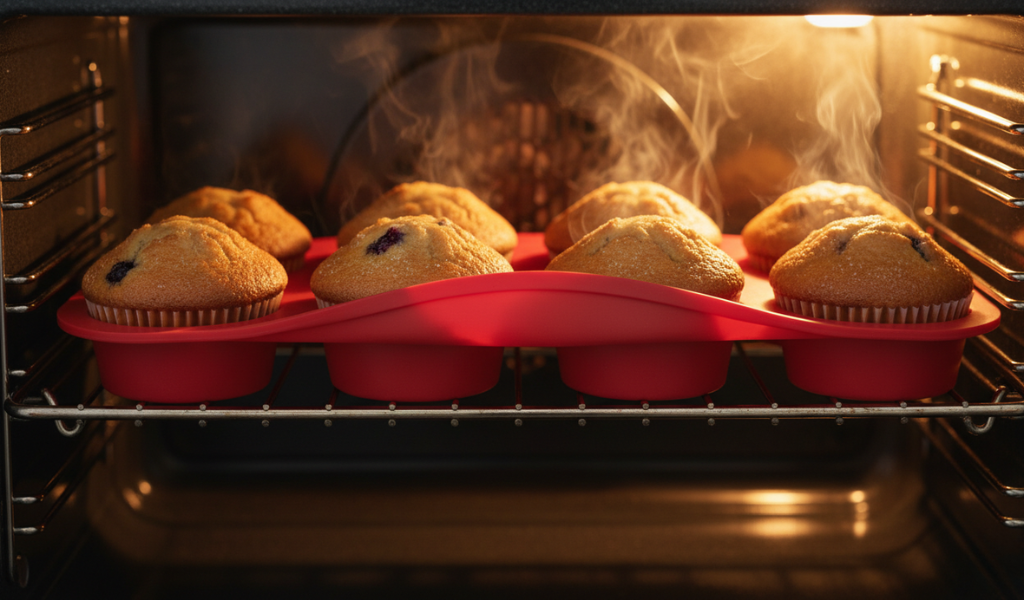
While the material itself is safe, there are some “hidden risks” and user errors that can turn a healthy kitchen tool into a safety hazard.
The biggest risk isn’t the silicone itself, but the “fillers” used by cheap brands to cut costs. These plastic-based additives are not heat-stable. When heated, they can leach “unpleasant odors” or chemical residues into your food.
Because silicone is floppy, carrying a full tray of liquid cake batter can lead to dangerous spills and “severe burns”. If the pan bends while you’re putting it in the oven, hot liquid can splash onto your skin or the oven heating elements, creating a fire hazard.
Exceeding the recommended temperature (usually 425°F) can cause the silicone to degrade. While it won’t burst into flames, it can release a “smoky haze” or become sticky, which ruins the non-stick surface.
Are silicone baking mats safe? Yes, they are excellent for roasting vegetables or baking cookies. They provide an even heat distribution and prevent the bottom of your cookies from burning. Just ensure you aren’t cutting your food directly on the mat, as knives can easily slice through the material and expose the fiberglass core often found inside.
So, is silicone safe for cooking and baking? The evidence points to a resounding yes—provided you are using high-quality, 100% food-grade material. It offers a modern solution to age-old kitchen problems like sticking and rusting.
By following the pinch test, staying within temperature limits, and using a metal tray for support, you can enjoy all the convenience of silicone without any of the worry. It is a durable, BPA-free material that has earned its place in the heart of the home.
Ready to upgrade? Next time you’re shopping, skip the cheap plastic and look for “Platinum-Grade” silicone. Your health—and your kitchen—will thank you!
Silicone doesn’t “peel” like Teflon, but deep cuts can harbor bacteria. If it’s torn, replace it.
Yes! The high heat of a dishwasher is great for removing the oily residue that builds up.
Absolutely. It stays relatively cool while your food gets hot, making it safer than many plastics.
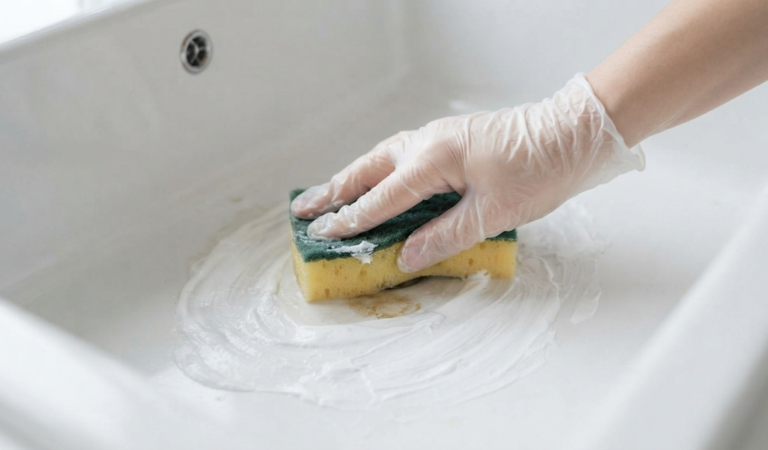
It can absorb fats. Use a paste of baking soda and water to deep clean the surface.
It can. It doesn’t conduct heat as quickly as metal, so you might need a few extra minutes.