Physical Address
304 North Cardinal St.
Dorchester Center, MA 02124
Physical Address
304 North Cardinal St.
Dorchester Center, MA 02124

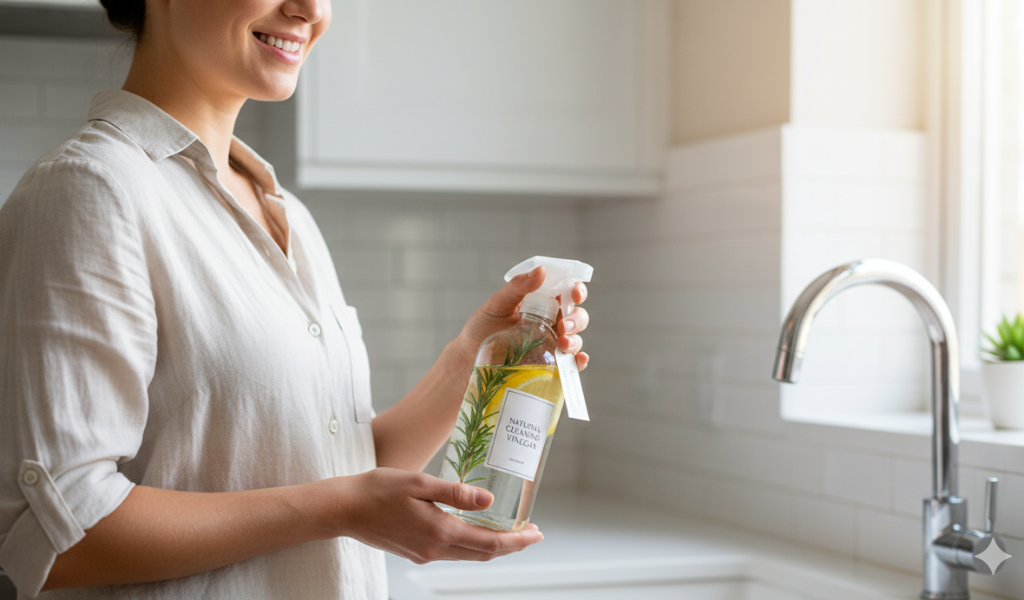
If you have ever spent a grueling afternoon scrubbing at a stubborn water stain or trying to get the ‘funky’ smell out of a microwave, you have probably reached for a bottle of white vinegar. It is the holy grail of DIY cleaning, right? But while browsing the cleaning aisle lately, you might have noticed a new player on the shelf: cleaning vinegar.
At first glance, it looks exactly like the stuff you put in your salad dressing or use to pickle cucumbers. However, there is a distinct difference that makes this version an effective cleaning option for household use . In this comprehensive guide, we are going to take a deep dive into what cleaning vinegar is , how it differs from the stuff in your pantry, and exactly how to use it to make your home sparkle without relying on harsh chemicals.
Cleaning vinegar is a stronger version of distilled white vinegar designed specifically for household cleaning. It usually contains 6% to 7% acetic acid, making it more effective for removing grease, soap scum, mineral deposits, and hard water stains. Unlike food-grade vinegar, cleaning vinegar is not intended for cooking or consumption.
Understanding Cleaning Vinegar and How It Works
To put it simply, cleaning vinegar is a more concentrated, potent version of the distilled white vinegar you keep in your kitchen. While both are created through the fermentation of grain alcohol into acetic acid, the cleaning version is brewed specifically to be stronger.
Most standard kitchen vinegars have an acidity level of 5%. Cleaning vinegar, on the other hand, usually sits at 6% or 7% acidity. That might sound like a tiny jump, but in the world of chemistry, that extra 1% makes the liquid 20% stronger. This increased acidity is exactly what allows it to eat through limescale, soap scum, and tough grease that regular vinegar might struggle with.
It is important to note that because it is formulated for chores, it is often not filtered to food-grade standards. You’ll frequently see labels stating not for human consumption. This product is designed specifically for household cleaning tasks and under-sink cabinets, not your spice rack. It is designed to tackle the “grime and grit” of a household rather than the flavors of a kitchen.
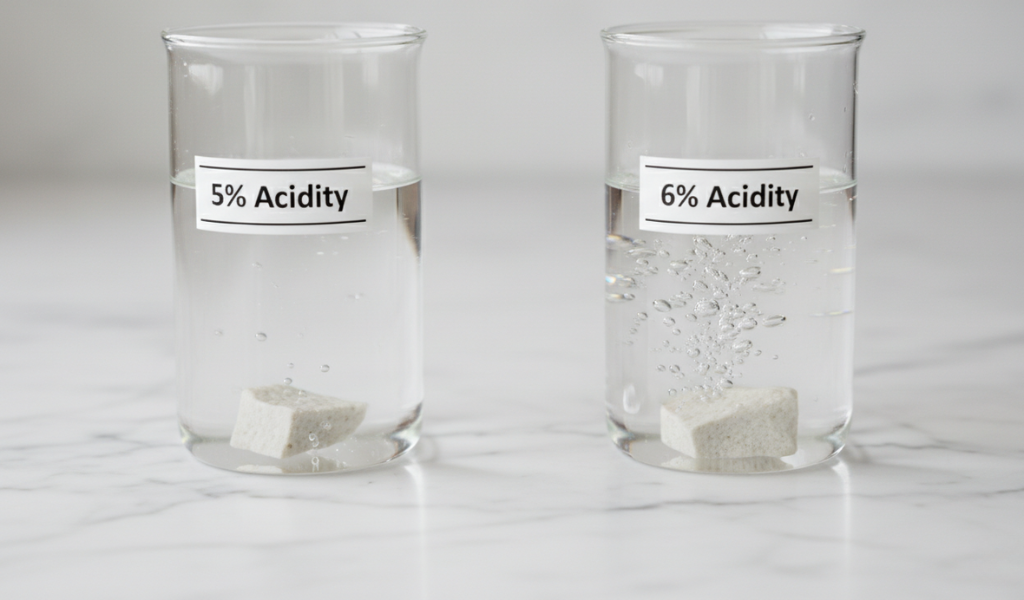
Many people assume that a 1% difference is negligible. However, when we talk about acetic acid concentration, the scale is significant. If you use a 5% solution, you are using a product that is mostly water. By bumping that up to 6%, you are significantly increasing the reactive molecules available to break down dirt.
Imagine trying to cut a thick piece of wood with a dull saw. You’ll eventually get through it, but it takes time and a lot of muscle. Cleaning vinegar is like sharpening a saw. It provides a ‘faster reaction time’ when it hits mineral deposits. This is particularly useful for:
It is the age-old question: Can’t I just use the cheap gallon of white vinegar I already have? The short answer is yes, you can. But for specialized tasks, knowing the difference helps you choose the right tool.
| Feature | Distilled White Vinegar | Cleaning Vinegar |
| Acidity Level | 5% | 6% to 7% |
| Safety | Food-grade / Edible | Non-food grade / Not for eating |
| Best Use | Salads, pickling, light cleaning | Heavy-duty grime, laundry, scale |
| Scent | Mild vinegar smell | Stronger, sharper odor |
| Price | Very cheap | Slightly more expensive |
You will generally find household cleaning products like specialized vinegars in the cleaning aisle rather than the grocery aisle. While a massive jug of cooking vinegar is incredibly cheap, cleaning vinegar is still very affordable compared to high-end chemical sprays. It offers a ‘natural’ alternative that actually packs a punch without the hefty price tag of “organic” branded cleaners.
Vinegar is essentially a mild acid. Most of the “muck” we deal with in our homes—like soap scum in the shower or calcium buildup on a faucet—is alkaline (basic) in nature. When the acid in the vinegar hits these alkaline deposits, a chemical reaction occurs that dissolves the bond holding the dirt to the surface.
This is why it is so effective at removing ‘cloudy film’ from glassware or making chrome fixtures look brand new. It doesn’t just move the dirt around; it actually breaks it down at a molecular level. Furthermore, vinegar acts as a natural deodorizer. Instead of masking smells with artificial perfumes, it neutralizes the molecules that cause the odors in the first place.
Top Ways to Use Cleaning Vinegar Around the Home
Now that we know what cleaning vinegar is, let’s talk about how to actually put it to work. Because it is so versatile, you can use it in almost every room of the house.
The bathroom is where this liquid truly shines. Because of the high acidity, it is a master at destroying soap scum and hard water stains.
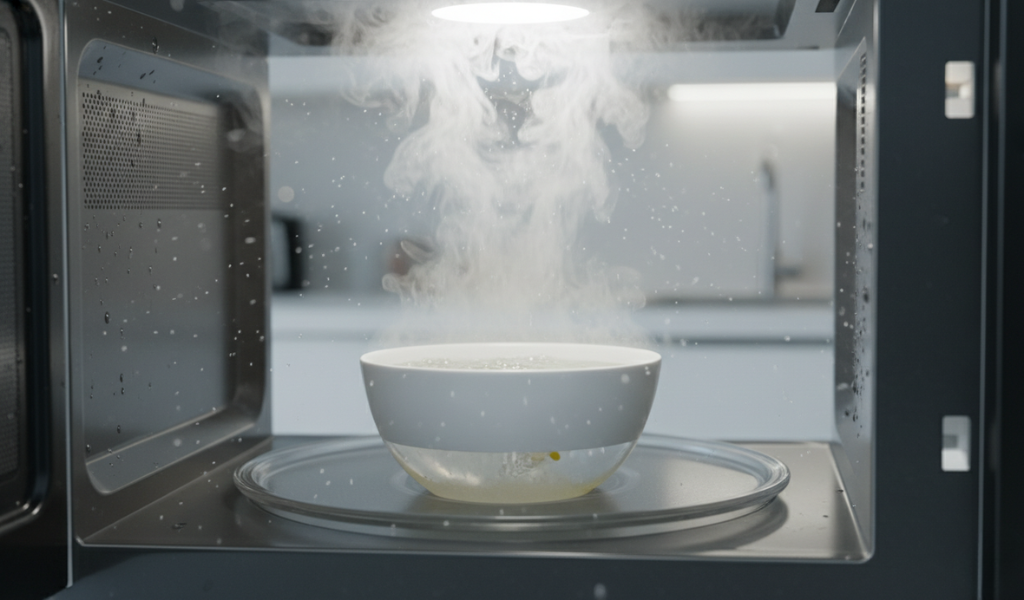
Even though you shouldn’t eat it, cleaning vinegar is a beast at cleaning the places where you cook.
If your towels are starting to feel “crunchy” or smell a bit musty even after washing, it’s likely due to detergent buildup.
You don’t always want to use the vinegar at full strength. Depending on the job, you can “tweak” your recipe to maximize effectiveness.
Mix one part cleaning vinegar with one part water in a spray bottle. This is your go-to for countertops (non-stone), windows, and mirrors. It leaves a streak-free finish because it evaporates so quickly. For a pleasant scent, add 10 drops of lemon or peppermint essential oil.
Vinegar alone isn’t great at cutting through heavy oil. To fix this, mix your vinegar and water solution with a few drops of ‘lemon-scented’ dish soap. The soap tackles the oil, while the vinegar tackles the grime underneath. Use this on the top of your stove or the range hood filter.
For tougher stains, sprinkle baking soda onto the surface first, then spray vinegar over it to create a fizzing reaction that helps loosen dirt and grime. After the reaction settles, scrub gently with a brush or sponge.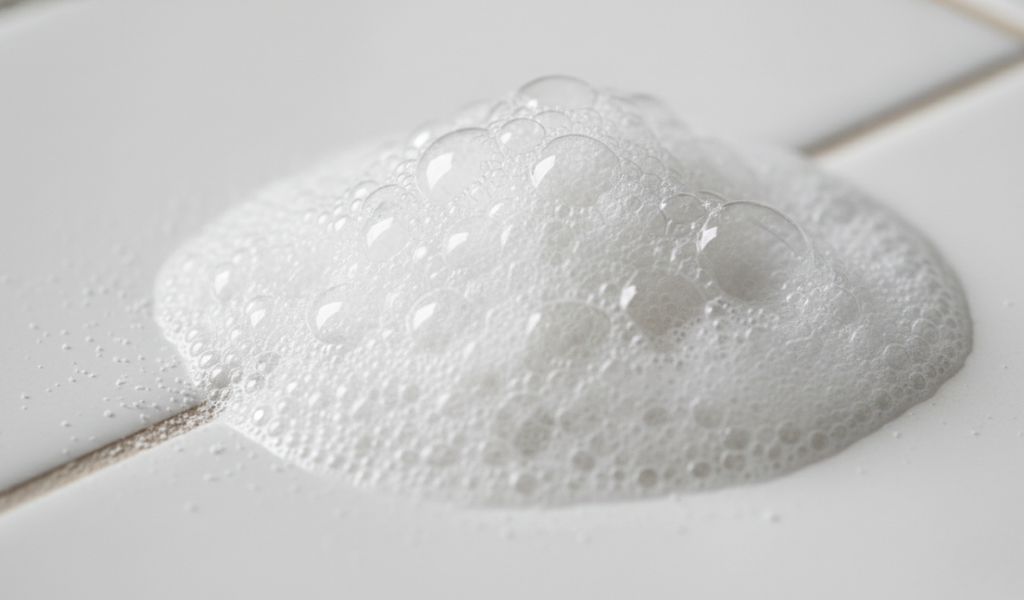
The Hidden Benefits of Switching to Vinegar-Based Cleaners
Beyond just getting things clean, using vinegar offers several “unseen” advantages:
As much as we love this natural cleaner, it isn’t a “fix-all” for every surface. Because it is an acid, it can actually cause permanent damage to certain materials.
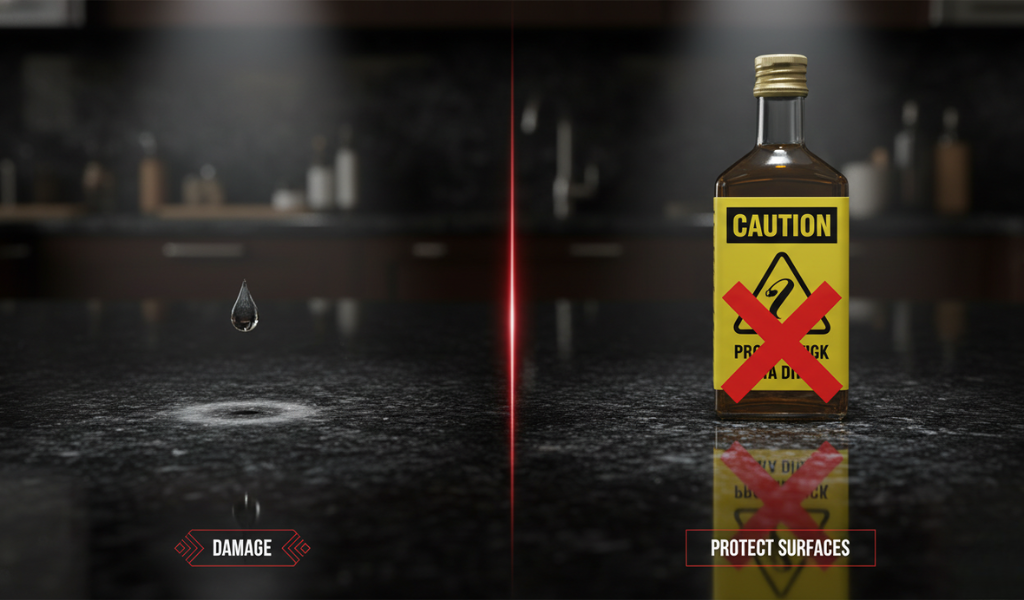 Never use vinegar on marble, granite, or limestone. The acid will “etch” the surface, eating into the stone and leaving permanent dull spots that require professional polishing to fix.
Vinegar is incredibly stable, but a few tips will ensure it stays effective:
One of the biggest draws of using household cleaning products based on vinegar is the lack of toxic fumes. However, because cleaning vinegar is more acidic, it requires a bit more care than the kitchen version.
Switching to cleaning vinegar is a simple, effective, and budget-friendly way to reduce the chemical load in your home. It’s a highly effective cleaning solution that bridges the gap between gentle kitchen vinegar and harsh industrial cleaners. Whether you are descaling a kettle or trying to get your windows to “disappear,” this natural solution is hard to beat.
By understanding how to use vinegar cleaning solution correctly, you can protect your surfaces while achieving a level of clean that rivals professional services. It is about working smarter, not harder, and letting the natural acidity of this ancient liquid do the heavy lifting for you.
No. Cleaning vinegar is not produced under the same health and safety regulations as food-grade vinegar. It may contain impurities or additives not suitable for eating. Always use distilled white vinegar for your recipes.
Vinegar is a great cleaner, but it is not a registered disinfectant. While it can kill some bacteria (like E. coli or Salmonella), it is not strong enough to kill all viruses (like the flu) or heavy-duty pathogens. For deep disinfecting after someone has been sick, you may still need a specialized product.
The “salad” smell usually vanishes within 30 minutes as the liquid evaporates. If you hate the scent, try infusing your vinegar with citrus peels, cinnamon sticks, or lavender sprigs for a week before using it.
If your cleaning vinegar looks a bit “misty,” it might be the “mother” of vinegar—a natural byproduct of fermentation. As long as there isn’t fuzzy mold on the surface, it is perfectly safe to use for cleaning.
Check your manual first. Some steam mops can be damaged by the acidity, which can corrode internal heating elements. If the manual says it’s okay, a 10% vinegar to 90% water ratio is usually safe.
Yes! Vinegar is one of the safest things you can put down a septic system. It breaks down naturally and doesn’t kill the beneficial bacteria that keep your septic tank functioning properly.