Physical Address
304 North Cardinal St.
Dorchester Center, MA 02124
Physical Address
304 North Cardinal St.
Dorchester Center, MA 02124

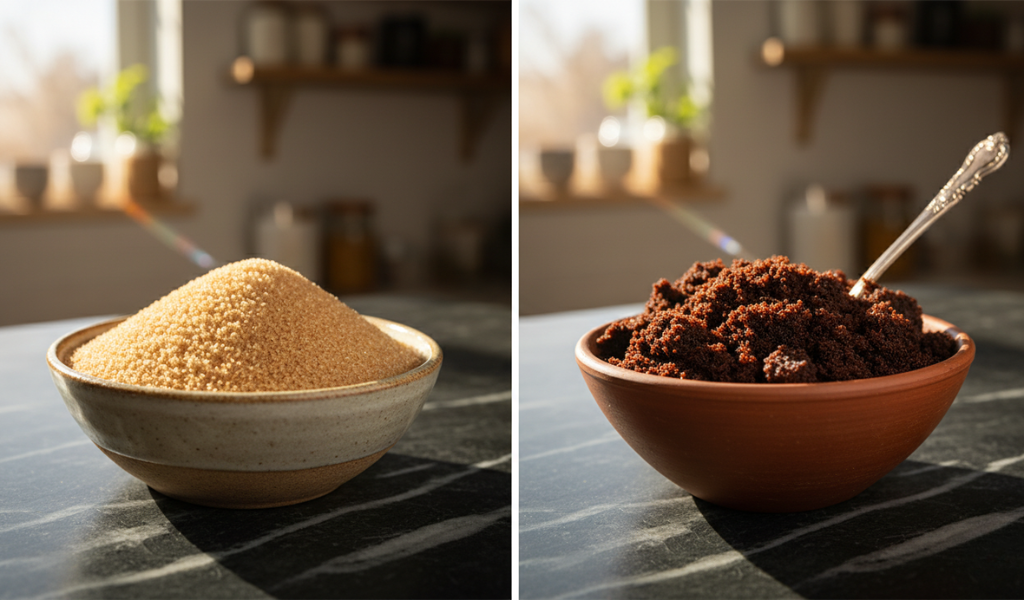
Light and dark brown sugar may look similar, but they differ in molasses content, flavor, moisture, and baking performance. Understanding the Differences Between Light & Dark Brown Sugar can help improve texture, sweetness, and color in baking recipes.
If you have ever swapped one for the other and noticed your cookies came out a bit darker or your cake tasted a little more like caramel, you’ve witnessed the power of molasses. In this guide, we are going to dive deep into what brown sugar is, how these two varieties compare, and how to choose the right one to make your treats shine. We will explore the chemistry, the history, and the professional secrets that make these sugars the backbone of the pastry world.
Differences Between Light & Dark Brown Sugar
Light brown sugar contains less molasses than dark brown sugar, giving it a lighter color, milder caramel flavor, and lower moisture content. Dark brown sugar contains more molasses, which creates a deeper color, richer flavor, and softer texture. Light brown sugar is commonly used for cookies, cakes, and lighter baked goods, while dark brown sugar works best in gingerbread, barbecue sauces, brownies, and recipes that require a stronger molasses flavor.
Before we get into the nitty-gritty of the Differences Between Light & Dark Brown Sugar, let’s look at the basics. Brown sugar is essentially refined white sugar that has had molasses added back into it.
In the modern manufacturing process, sugar cane is crushed to extract juice, which is then boiled until sugar crystals form. The liquid byproduct left behind is molasses. To create the consistent sugar products we see on store shelves, manufacturers take pure white granulated sugar and mix it with specific amounts of that molasses. This gives the sugar its signature soft, sandy texture and that deep, earthy aroma we all love.
Historically, brown sugar was simply sugar that hadn’t been fully refined. However, because natural refining is hard to control, modern bakers prefer the “re-combined” method because it ensures every bag of light brown sugar you buy tastes exactly like the last one.
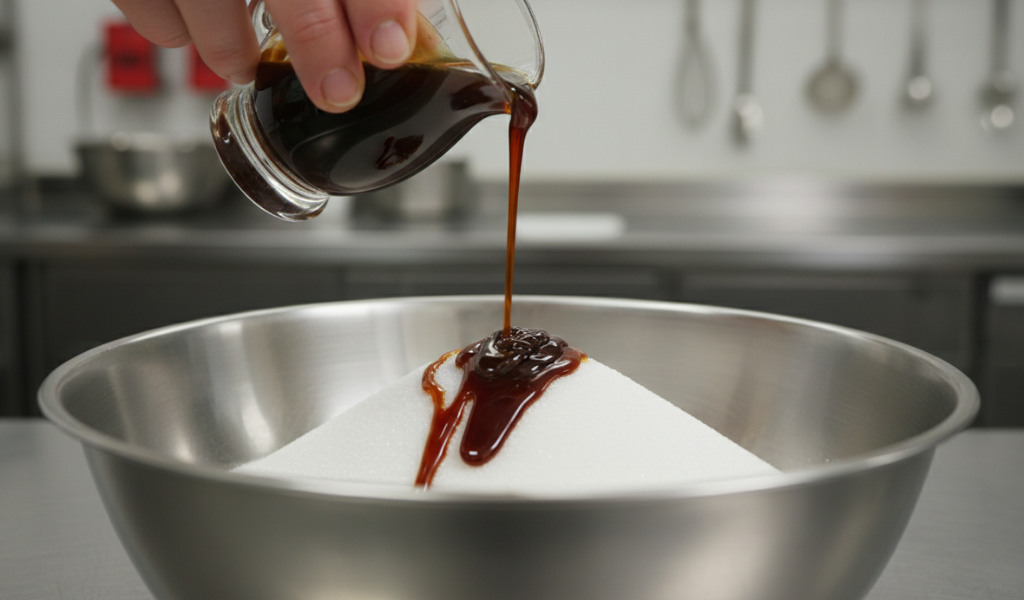
To understand the difference, you have to understand the refinery. There are actually two ways to make brown sugar, and knowing which one is in your pantry can change how you cook.
In this method, white sugar crystals are tumbled in a giant mixer while a thin film of molasses is sprayed over them. This is why if you ever try to wash brown sugar in a sieve, the brown color washes away, leaving white sugar behind. This is the standard for most commercial brands.
Some artisanal brands stop the refining process early, leaving a thin layer of natural molasses on the crystal. This is often seen in “raw” sugars or specific European styles. This method results in a slightly different texture that doesn’t “pack” as tightly as the coated variety.
The most important thing to remember is a simple ratio: molasses content.
That small percentage might not sound like much, but in the world of chemistry and baking, it changes everything from the pH balance of your batter to the final chewiness of a chocolate chip cookie. It is the difference between a golden, mild sweetness and a deep, intense, and almost savory sweetness.
Molasses is the soul of brown sugar. It is a thick, dark syrup that contains trace minerals like calcium, magnesium, and potassium. Beyond nutrition, molasses is “hygroscopic”—which is just a fancy way of saying it loves to hold onto water.
Because dark sugar has more molasses, it is naturally wetter and more acidic. This acidity reacts with leavening agents like baking soda, which can cause your baked goods to rise differently. If you are looking for a specific ‘’moist texture’’, the molasses content is your best friend. Without it, your gingersnaps would just be plain ginger cookies, and your BBQ sauce would lack that signature “sticky” quality.
If you taste the two side-by-side, you’ll notice a clear distinction.
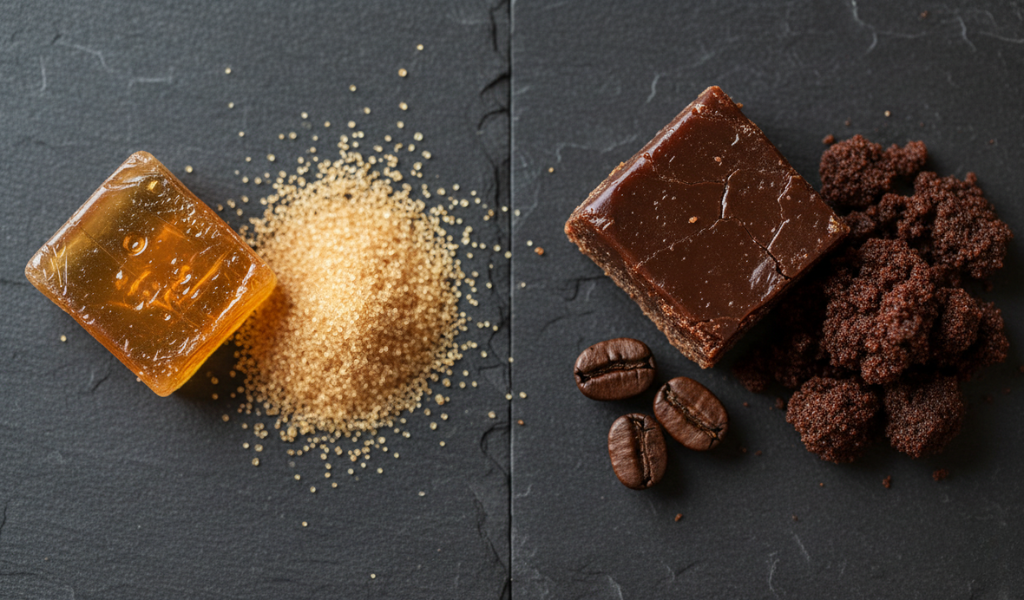
Because of the higher molasses content, dark brown sugar feels slightly heavier and “clumpier” than the light version. When you pack it into a measuring cup, it holds its shape firmly—almost like wet sand.
This extra moisture often translates to a chewier result in cookies. If you’ve ever wondered why some cookies are crisp and others are “soft and chewy” , the choice of sugar is often the secret. The molasses keeps the sugar from recrystallizing as it cools, ensuring that the interior of your baked goods stays tender while the edges might get a slight crunch.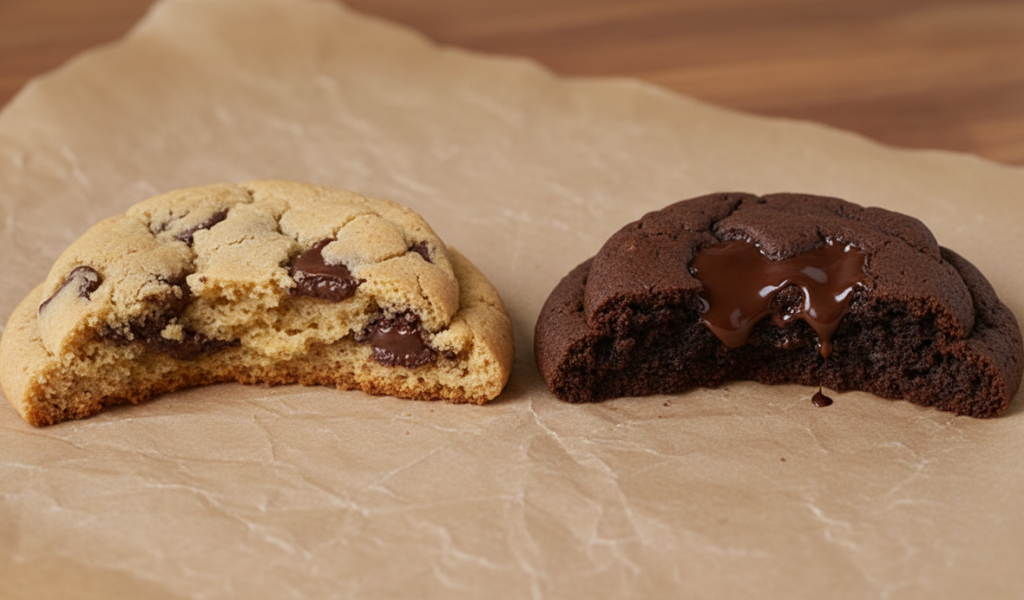
Light brown sugar is the “all-purpose” player of the sugar world. Because its flavor is mild, it’s perfect for recipes where you want a hint of caramelization without turning the whole dish into a molasses-heavy treat.
Reach for the dark bag when you want the sugar to be a star ingredient rather than a background player. It provides a deep, ‘’rich mahogany color’’ to whatever you are making.
As a professional writer and baker, I cannot stress enough how much pH matters. Brown sugar is acidic because of the molasses. White sugar, on the other hand, is neutral.
When you use dark brown sugar, you are adding more acid to your dough. This acid reacts with baking soda (a base) to create carbon dioxide gas.
However, there is a catch. Because dark brown sugar is more hygroscopic, it pulls moisture from the air and the dough. This can sometimes cause cookies to spread more before they set. If you want a tall, thick cookie, light brown is often the safer bet. If you want a thin, bendable, chewy cookie, dark brown is the winner.
The short answer is yes, you can substitute them. In about 95% of home recipes, you can use these sugars interchangeably in a 1:1 ratio by weight or volume. Your recipe won’t “fail,” but the sensory experience will change.
If you only have light sugar but the recipe asks for dark, your dish will be lighter in color and milder in flavor. It will also be slightly less moist.
If you use dark instead of light, your cookies will be darker, chewier, and have a more pronounced toffee flavor.
Not all brown sugars are created equal. While we mostly talk about the standard grocery store bags, there is a whole world of “natural” brown sugars that offer even more complexity.
Running out of sugar in the middle of a baking session is a nightmare. Thankfully, if you have white sugar and a jar of molasses in the pantry, you can make a fresh batch in minutes that is actually better than the store-bought stuff because it is so fresh.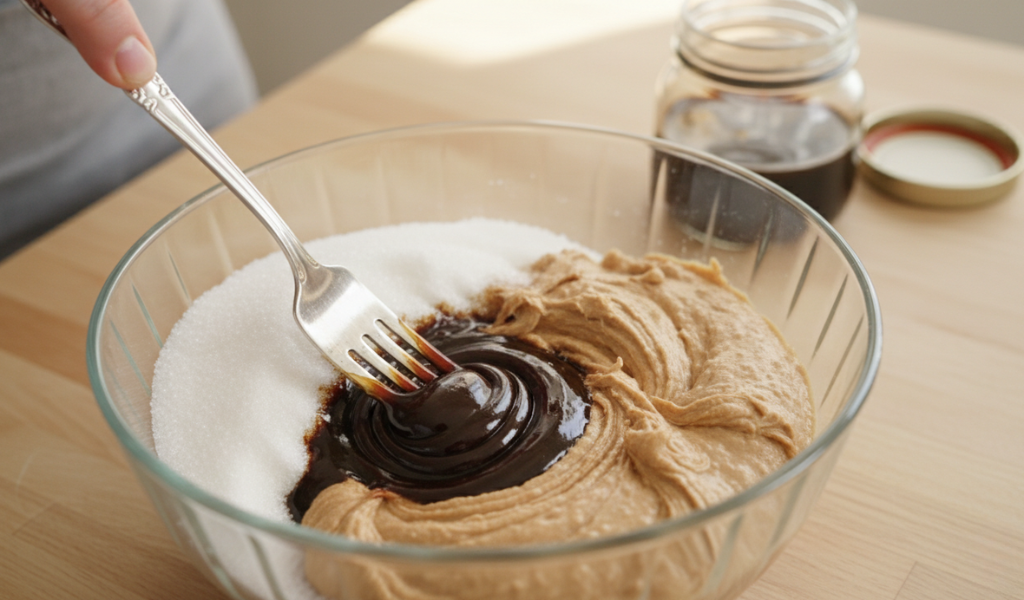
Pro-Tip: If you don’t have molasses, you can use maple syrup or honey in a pinch, though the flavor will change and the sugar won’t be quite as moist.
We’ve all been there: reaching for the bag only to find a literal brick of sugar. This happens because the moisture in the molasses evaporates, leaving the sugar crystals stuck together in a crystalline cage.
There is a common misconception that brown sugar is “healthier” than white sugar because it looks more natural. Let’s look at the facts.
| Nutrient (per 100g) | White Sugar | Brown Sugar |
| Calories | 387 | 380 |
| Calcium | 1mg | 83mg |
| Potassium | 2mg | 133mg |
| Iron | 0.05mg | 0.71mg |
While brown sugar does have more minerals, you would have to eat an unhealthy amount of sugar (cups of it!) to get any significant portion of your daily vitamin requirements. At the end of the day, sugar is sugar. It provides energy in the form of carbohydrates and should be enjoyed as part of a balanced diet.
Brown sugar isn’t just a Western baking staple. Different cultures have their own versions that reflect local agriculture.
Understanding the Differences Between Light & Dark Brown Sugar is one of the easiest ways to level up your kitchen game. While both are made from the same foundations, that extra splash of molasses in the dark variety can turn a simple cookie into a rich, toffee-like masterpiece.
Next time you head to the store, consider what you are making. If it’s something delicate and golden, go for the light. If it’s something bold, spicy, or incredibly moist, grab the dark. And if you’re ever in doubt, remember that they are flexible enough to swap in a pinch!
Baking is as much a science as it is an art. By choosing the right sugar, you are controlling the moisture, the pH, and the flavor profile of your creations. Now that you’re an expert on brown sugar, why not try a side-by-side baking experiment? Whip up a batch of cookies using each and see which flavor profile your family prefers. Happy baking!
No, the caloric difference is negligible. Because they are both primarily sucrose (white sugar) with a small amount of molasses, they both contain about 15 calories per teaspoon. In fact, dark sugar is slightly less calorie-dense by weight because it contains more water (moisture).
You can, but the texture will change significantly. White sugar lacks the moisture and acidity of brown sugar, so your baked goods will likely be crispier, paler, and less flavorful. If you must use white sugar, adding a little honey or maple syrup can help replace some of the lost moisture.
Some chefs like to balance the two to get a specific level of chewiness and color without the molasses flavor becoming too overpowering. It’s all about finding that ‘’perfect flavor balance’’.
While molasses contains minerals like iron and calcium, the amounts present in a serving of sugar are too small to provide any real health benefits. Treat both as sweeteners to be enjoyed in moderation.
Absolutely! Dark brown sugar adds a deep, molasses-like richness to coffee that tastes similar to a caramel latte. It’s a great way to add complexity to your morning brew, especially if you enjoy dark roasts.
If stored in an airtight container, it can last indefinitely. However, for the best flavor and texture, it is usually recommended to use it within 6 months of opening. Over time, the molasses can settle or the flavor can slightly dull.
Technically, sugar doesn’t spoil in a way that makes it unsafe to eat (because bacteria struggle to grow in high-sugar environments). However, it can absorb odors or become rock-hard over time. If it looks and smells normal, it is usually fine to use. If it smells “off” or like the plastic bag it came in, it’s time to toss it.
“Raw” sugar like Turbinado is only partially refined and has a much lower moisture content. It won’t melt into a batter the same way light brown sugar does, which is why raw sugar is usually used for crunch and decoration rather than structure.