Physical Address
304 North Cardinal St.
Dorchester Center, MA 02124
Physical Address
304 North Cardinal St.
Dorchester Center, MA 02124

Flour can go bad over time, especially when exposed to heat, moisture, air, or improper storage conditions. Different types of flour have different shelf lives depending on their fat content and storage method.
Although flour may appear shelf-stable, it can lose freshness and eventually spoil over time. Knowing how long are flours good for is essential not just for the success of your baked goods, but also for the health of your family.
This guide explains the shelf life of different types of flour, how to tell if flour is bad, proper flour storage methods, and what happens if you use expired flour.
Does Flour Go Bad?
Flour can go bad over time due to exposure to air, heat, moisture, and light. Most all-purpose flour lasts 6 to 12 months in the pantry, while whole wheat and nut flours spoil faster because of their higher natural oil content. Common signs of spoiled flour include sour smells, discoloration, clumps, mold, or insects. Proper airtight storage helps extend flour shelf life and maintain baking quality.
To put it plainly: yes, flour definitely goes bad. Many people assume that because flour is a dry, powder-like ingredient, it cannot spoil like milk, eggs, or butter. However, flour is an agricultural product derived from milled grains, nuts, or roots. Because it comes from living things, it contains natural organic compounds that break down over time.
When asking how long are flours good for, the answer depends heavily on how the flour was processed and how much fat it contains.
When you leave a bag of flour sitting in an open paper sack in a warm, humid pantry, you are fast-tracking its path to spoilage. Oxygen, light, heat, and moisture are the ultimate enemies of freshness. Once opened, a standard bag should ideally be evaluated regularly rather than assumed safe for years.
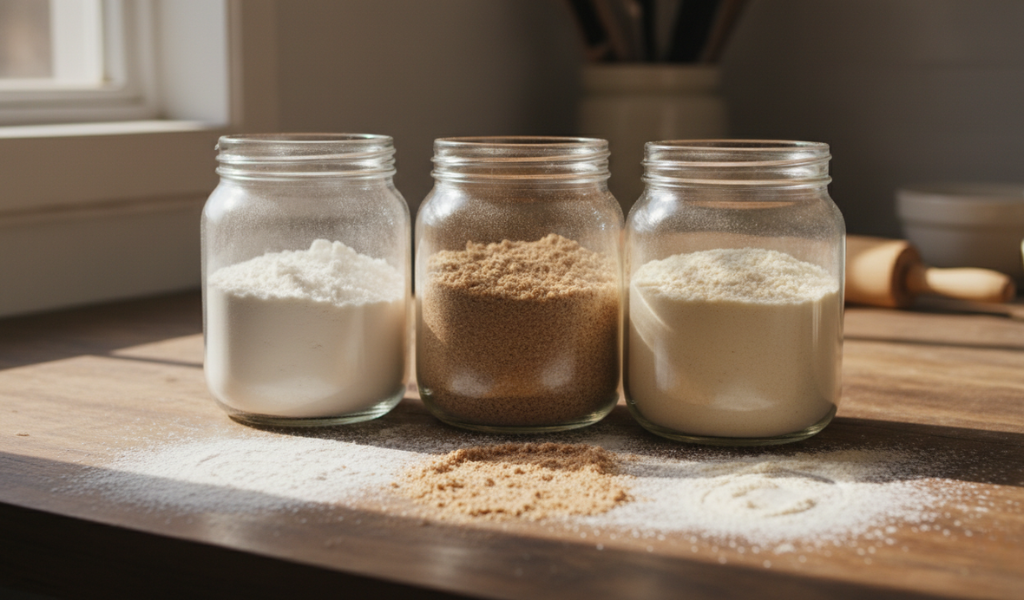
Every type of flour in the baking aisle has its own unique chemical makeup. Refined white varieties have had their perishable components removed, meaning they last a long time. On the other hand, alternative nut flours and whole grains retain their natural fats, which significantly cuts down their longevity.
Here is a quick reference table to help guide your next pantry inspection:
| Type of Flour | Pantry Shelf Life (Opened) | Fridge/Freezer Shelf Life |
| All-Purpose White Flour | 6 to 12 Months | 1 to 2 Years |
| Bread & Cake Flour | 6 to 12 Months | 1 to 2 Years |
| Self-Rising Flour | 4 to 6 Months | Not Recommended (Moisture risks) |
| Whole Wheat Flour | 3 to 6 Months | 1 Year |
| Almond Flour | 2 to 4 Months | 6 to 12 Months |
| Coconut Flour | 3 to 6 Months | 12 Months |
These are the absolute workhorses of the kitchen. Because the milling process removes the oily germ and bran layers of the wheat kernel, these flours are highly stable. If kept in a cool, dry place, a bag of white flour can easily stay fresh for up to a year.
Whole wheat flour is incredible for rustic bread baking, but it spoils much faster than its refined cousins. It contains the entire wheat kernel, including the bran and the germ, which are packed with natural oils. When exposed to air, these oils oxidize, causing the product to go rancid quickly.
Gluten-free baking has surged in popularity, bringing flours like almond and coconut into everyday pantries. However, these varieties have a very short shelf life of flour compared to wheat. Almond flour is high in healthy fats, which makes it incredibly prone to spoilage. If left in a warm kitchen, it can develop an off flavor in just a few months.
Self-rising flour contains added leavening agents like baking powder and salt. While the flour itself might stay stable, the chemical lose their strength over time. If you use older self-rising flour, your cakes and biscuits will likely turn out flat and dense.
To truly understand why flour goes bad, we have to look at the chemistry happening inside the bag. The primary cause of spoilage in flour is a process called oxidation.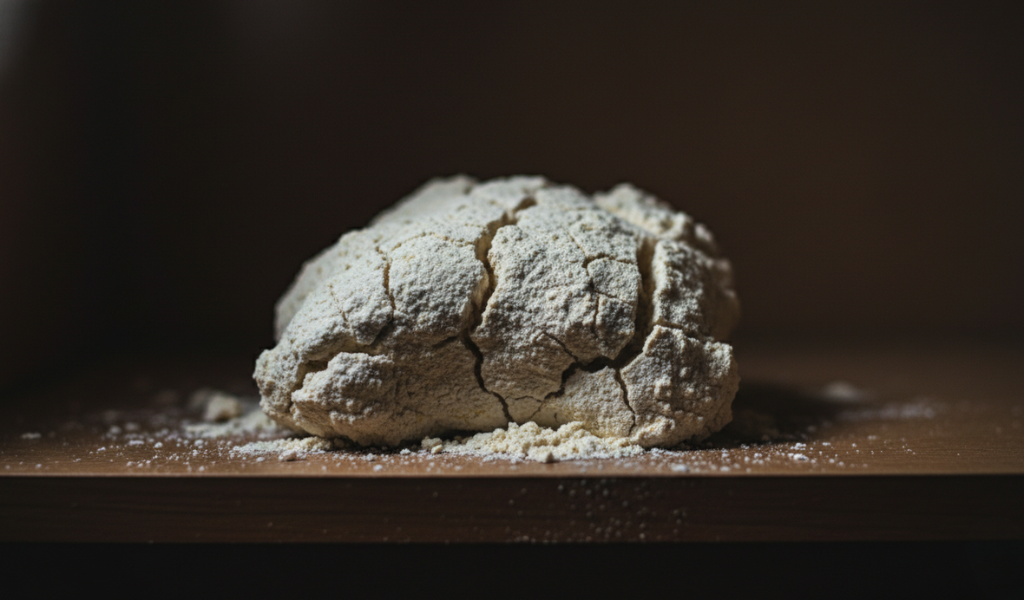
When the natural oils present in grain or nut grinds are exposed to oxygen in the air, the fat molecules break apart. This reaction produces new chemical compounds that give off a distinct, unpleasant aroma and flavor.
In addition to oxidation, moisture is a major threat. Flour is highly absorbent. If it pulls moisture from a humid kitchen, it creates the perfect breeding ground for microscopic mold spores and bacteria to flourish.
You do not need a laboratory kit to perform a pantry check. Your own human senses are the best tools available for how to tell if flour is bad. Before scooping a cup into your mixing bowl, run through this quick physical evaluation:
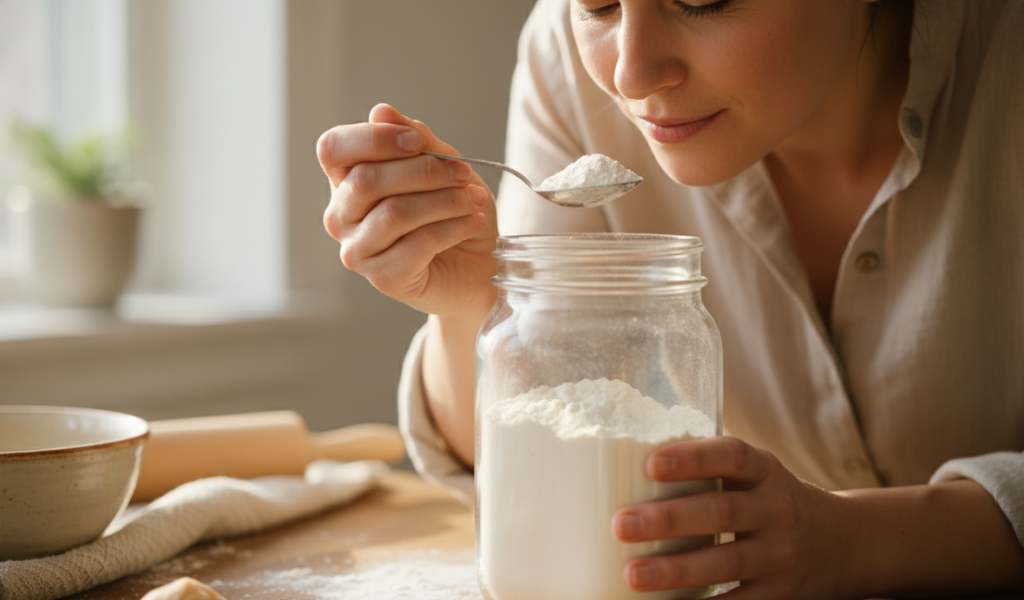
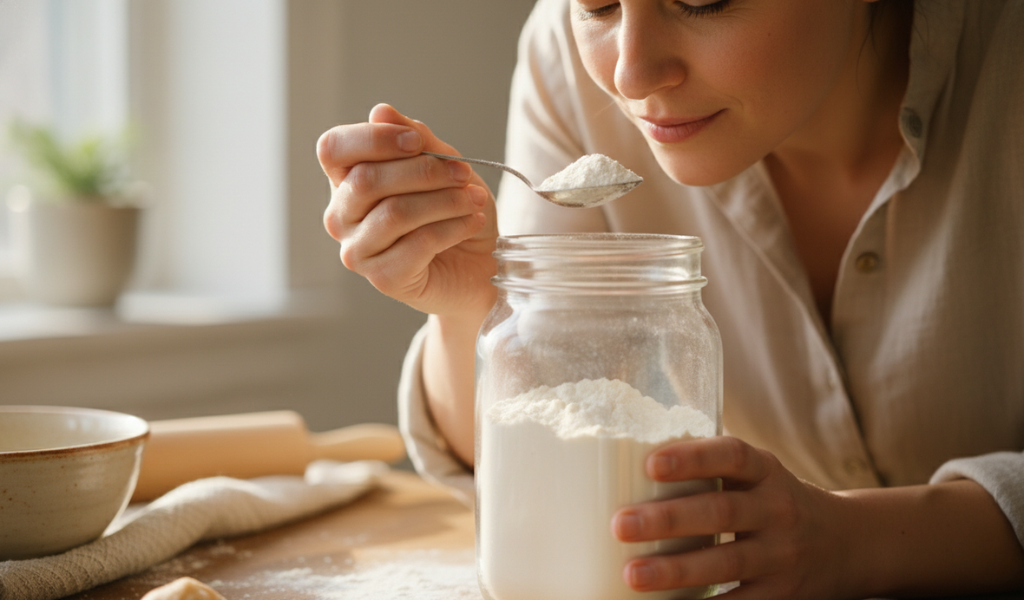
Fresh flour should have a very mild, neutral, or slightly sweet grain aroma. If you open your container and notice a strong sour, musty, or oily scent, it has gone bad. Many bakers describe the smell of rancid flour as resembling play-dough, old cardboard, or even boxes of crayons.
Pour a small amount of the powder onto a clean plate. It should feel soft, fine, and completely powdery. If you notice large, hard clumps that do not easily break apart when pressed, moisture has invaded the container. These wet spots can hide dangerous mold colonies that are invisible to the naked eye.
White flour should look bright and clean. If it has taken on a dull yellowish hue or looks gray, it has suffered from severe oxidation or light damage. Throw it out immediately.
This is every home baker’s worst nightmare. Look closely for tiny brown or red bugs crawling through the powder. These are flour beetles, often called weevils. If you see tiny black specks or spider-web-like silk strands stretching between the grains, you have an active infestation.
Pro-Tip: If you suspect your flour is turning but aren’t entirely sure, mix a tablespoon of it with a little bit of warm water in a small cup. Heating up the grain fibers will instantly amplify any hidden sour or rancid smells, making it easy to diagnose.
So, you decided to ignore the expiration date and bake with that questionable bag anyway. What happens if you use expired flour? The results range from minor kitchen disappointments to actual health concerns.
The most immediate consequence is that your hard work will taste terrible. Rancid oils transfer their bitter, sour, and stale flavors directly into your baked goods. Your beautiful cookies will taste off, and your family will notice the difference immediately. Furthermore, oxidized flour damages gluten structures, leading to heavy, flat, or dense textures in bread.
If you are using expired self-rising flour or an aged cake mix, the baking powder inside has likely expired. This means your baked goods will fail to rise properly in the oven, leaving you with rubbery pancakes or sunken cakes.
In most cases, eating a cookie made with slightly old white flour won’t make you violently ill because the baking process cooks the starch through. However, if the flour has gone rancid or contains active mold growth, consuming it can cause stomach cramps, nausea, or digestive discomfort. Mold can also produce harmful toxins called mycotoxins, which should never be consumed.
If you want to maximize the shelf life of flour and save money, you must ditch the original paper packaging as soon as you bring it home from the grocery store. Paper bags are porous, meaning they let in air, bugs, and dampness.
Follow these professional storage strategies to keep your ingredients fresh for as long as possible:
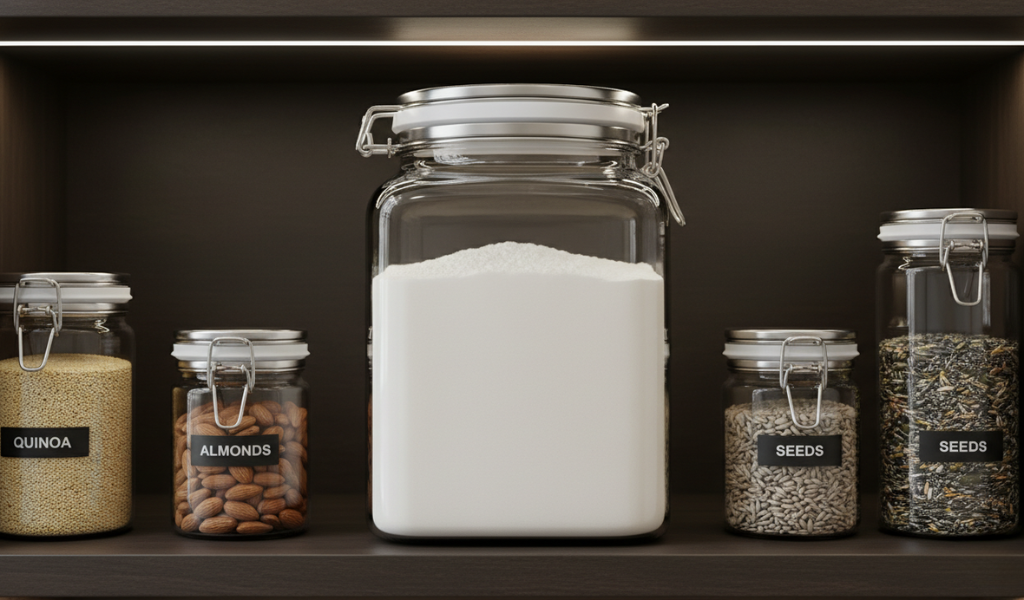
Transfer your fresh flour into a heavy-duty glass jar, a food-grade plastic bucket, or a large container with a secure silicone gasket seal. This completely blocks out fresh oxygen and prevents bugs from smelling the grain.
Keep your sealed containers inside a dark pantry or a lower kitchen cabinet away from the stove, oven, and dishwasher. Heat from kitchen appliances accelerates oxidation dramatically.
If you buy whole grain or nut flours in bulk, the absolute best place to store them is in the freezer. The freezing temperature completely pauses the oxidation process, extending the usability of whole wheat or almond meal for up to two years.
Important Step: When using frozen flour, always scoop out the exact amount you need for your recipe and let that portion sit on the counter to reach room temperature before mixing. If you drop ice-cold flour directly into a baking batter, it will seize up your melted butter and throw off your dough chemistry.
Flour beetles (weevils) are incredibly frustrating because they often enter your home directly from the grocery store warehouse, where invisible eggs can hide inside the paper seams of the packaging.
To protect your kitchen from a widespread infestation, implement a quarantine routine. Whenever you bring a fresh paper bag of flour home, place the entire sealed bag inside your household freezer for a full 48 hours. The freezing temperatures will safely neutralize any hidden pest eggs before they can hatch.
After two days, remove the bag, let it dry completely, and pour the contents into your airtight glass or plastic storage bins.
Understanding whether flour goes bad is important for maintaining flour freshness, food safety, and baking quality. Different types of flour have different shelf lives depending on their fat content and storage conditions.
To recap:
Using fresh flour and proper storage methods helps improve the flavor, texture, and consistency of baked goods.
White all-purpose flour can often last 3 to 6 months past its printed best-by date if it has been stored properly in an airtight container and shows no signs of odors, clumps, or bugs. However, whole grain and alternative nut flours should rarely be used past their expiration date unless they have been kept in the freezer, as their high oil content causes them to turn rancid quickly.
It is highly recommended to throw away flour that is two years out of date. Even if it looks bug-free and dry, the long-term exposure to oxygen will have completely oxidized the natural fats, creating a stale, bitter flavor that will ruin your recipes. The structural proteins also break down over multiple years, meaning your dough won’t rise correctly.
Yes, old flour can make you sick if it has developed mold growth due to humidity or if the natural fats have become highly rancid. Eating rancid foods can cause stomach irritation, nausea, and digestive issues. Always play it safe: if you notice a ‘’musty texture’’ or an off smell, discard the bag.
If your whole wheat flour smells like play-dough or old paint, it is a definitive sign that the flour has gone bad. This specific scent is caused by the oxidation of the natural oils found inside the wheat germ. It means the flour is rancid and should be thrown out immediately.
While storing flour in the refrigerator slows down spoilage, it is generally unnecessary for everyday white all-purpose flour if you use it within six months. The refrigerator also introduces a lot of humidity, which can cause clumping or mold if the container isn’t perfectly sealed. Save your fridge and freezer space for high-fat alternative flours like almond, coconut, and whole wheat.
If your flour has developed hard chunks from moisture, it cannot be safely revived. Moisture allows mold and bacteria to grow inside the powder, making it a food safety hazard. Do not attempt to sift out the lumps to save the dry portions; it is always best to start fresh with a new bag.