Physical Address
304 North Cardinal St.
Dorchester Center, MA 02124
Physical Address
304 North Cardinal St.
Dorchester Center, MA 02124

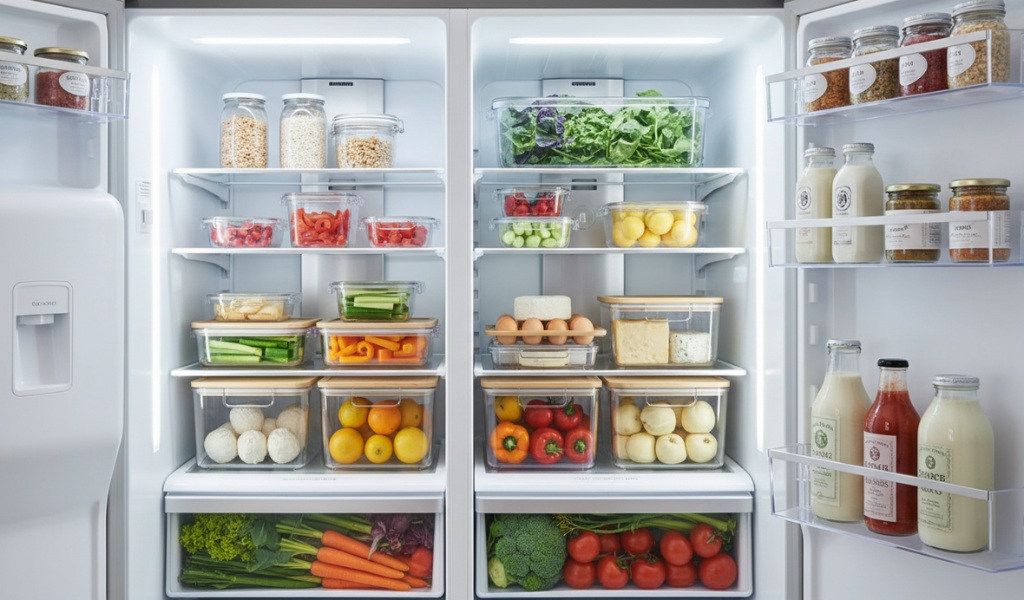
We’ve all been there. You come home from the grocery store with bags full of colorful produce, high-quality proteins, and maybe a few ‘hello fresh meals’ for those busy weeknights. You tuck them away into your refrigerator, feeling like a champion of meal prep. But then, Wednesday rolls around, and that bag of spinach has turned into a soggy green puddle, and the berries are already wearing fuzzy white coats of mold.
It is frustrating, expensive, and a massive waste of perfectly good ‘fresh food’.Many households waste a significant amount of groceries each year because of poor storage habits.
The truth is, most of us treat our fridge appliances like cold closets—we just shove things in wherever they fit. But your fridge is actually a complex thermal environment. If you want to stop throwing money in the bin, you need to master how to make food last longer in your fridge. By understanding how air flows, how temperature fluctuates, and how different foods interact, you can often extend the shelf life of your groceries.
Before you can fix the problem, you have to understand the enemy. Your refrigerator is not a sterile vault; it is a living ecosystem. Even at cold temperatures, microorganisms are at work. Understanding these invisible residents is the first step in learning how to make food last longer in your fridge.
Microbiologists generally divide fridge bacteria into two camps:
Many home refrigerators are not cleaned often enough, which can lead to bacteria buildup The reason? We don’t clean them enough, and we don’t manage the ‘moisture levels’ correctly. Moisture is the “highway” that bacteria use to travel from a spill on the top shelf all the way down to your crisper drawer.
If you want to know how to make food last longer in your fridge, the absolute first step is checking your thermostat. Most people rely on the built-in dial, but those are notoriously inaccurate.
While the official safety recommendation is anything below 40°F, experts suggest aiming for 36°F.
Pro Tip: Invest in a standalone ‘fridge thermometer’. Place it in the center of the middle shelf to get a true reading of your appliance’s performance.
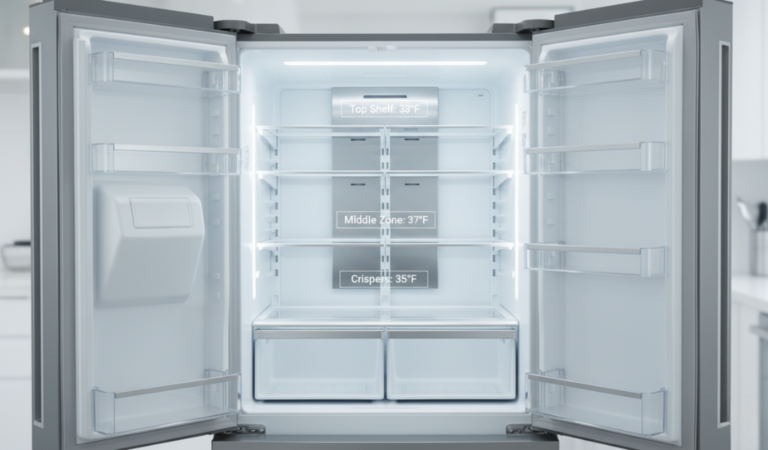
Not all spots in your refrigerator are created equal. Heat rises, and the door is the warmest part of the entire machine. Here is how to map your fridge appliances for maximum ‘fresh food’ longevity.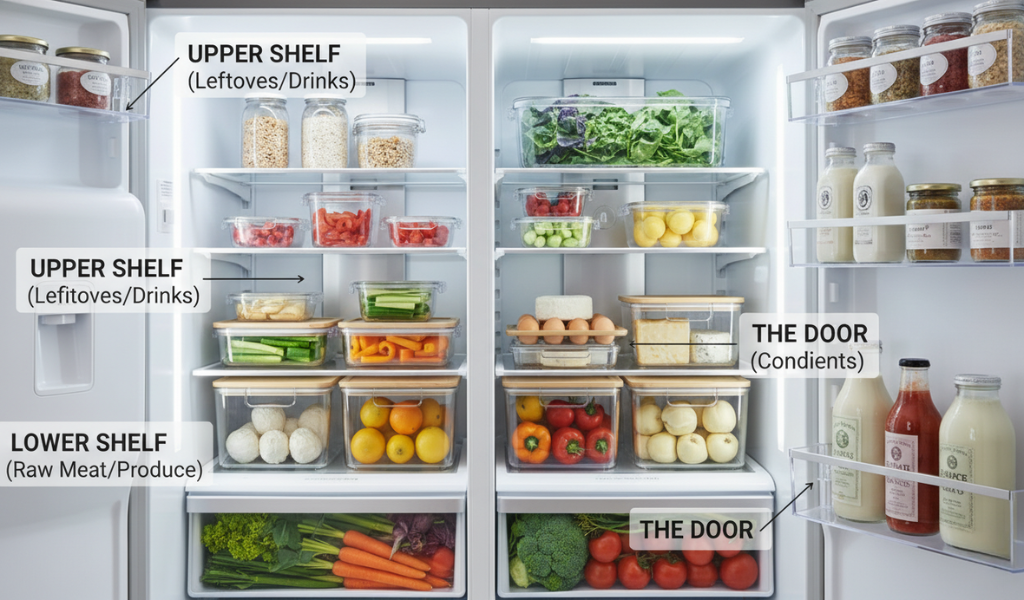
This area has the most consistent temperature. It is perfect for:
This is the coldest part of the fridge. Since heat rises, the bottom stays chilled. This is the safety zone for:
The door is the “Wild West” of temperature swings. Every time you open the fridge, the door hits room temperature.
Fruits and vegetables are the most expensive things we throw away. They are also the most sensitive to air and moisture. If you want to master how to make food last longer in your fridge, you have to treat different vegetables according to their unique needs.
Moisture is the enemy of longevity for most vegetables. If you wash your broccoli and then shove it into a plastic bag, you are creating a “bacterial sauna.”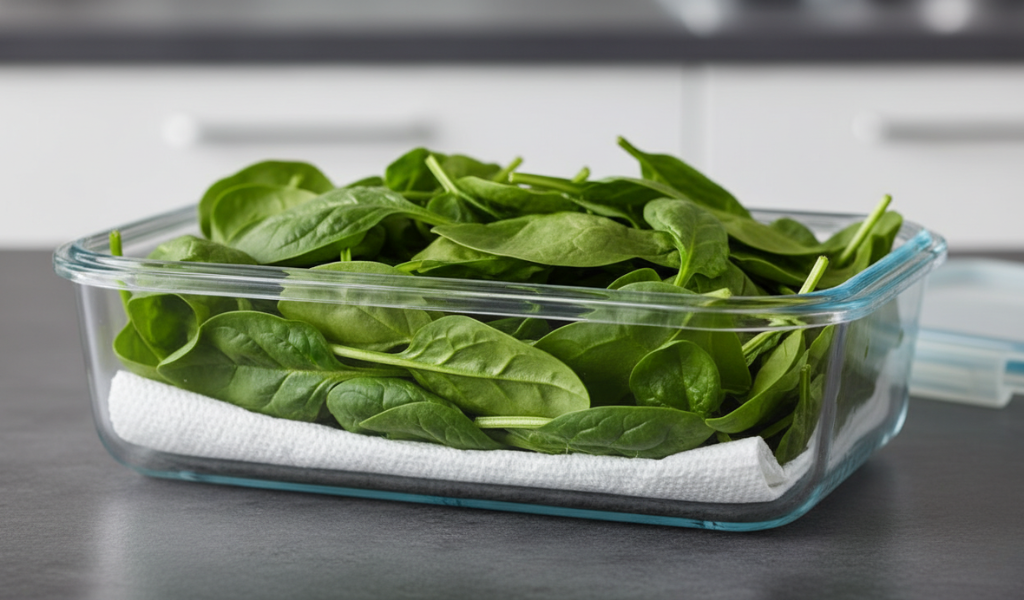
Berries are notorious for molding within 48 hours. To save them, try a quick vinegar bath (one part vinegar, three parts water), dry them thoroughly, and store them in a vented container. The vinegar kills the mold spores on the surface.
Subscription services like Hello Fresh are great, but they come with a lot of packaging and specific storage needs. If you want your ‘hello fresh meals’ to stay vibrant until Friday, you need a strategy.
By treating these kits as individual ingredients rather than a “set it and forget it” bag, you ensure the quality of the meal remains high.
Most modern fridge appliances come with two drawers. Most of us just throw whatever fits into them. However, those sliders—labeled “High” and “Low” humidity—are powerful tools for keeping ‘fresh food’ alive.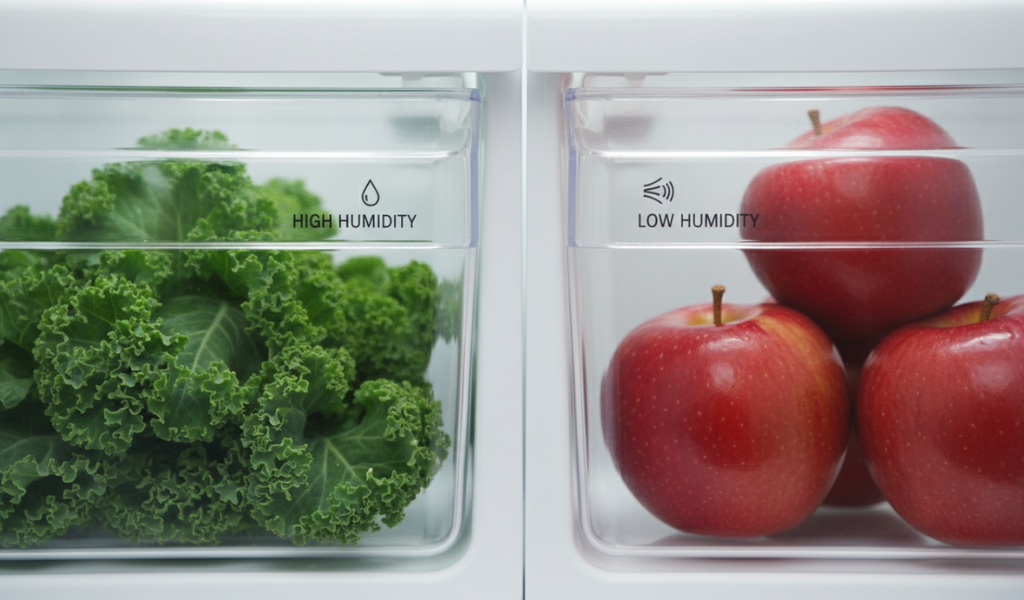
This setting traps moisture inside the drawer.
This setting allows gases to escape.
Ethylene is a natural ripening agent. If you put an ethylene-producer (like an apple) in a closed drawer with an ethylene-sensitive vegetable (like lettuce), the gas will stay trapped, and your lettuce will turn brown and slimy overnight.
There is a lot of conflicting advice about meal prep. Some people love washing everything the moment they get home. However, from a food science perspective, this is often a mistake.
For most ‘fresh food’, the natural skin or peel is a protective barrier. When you wash a strawberry, you introduce moisture into the tiny pores of the fruit. This invites mold to move in. For the longest shelf life, do not wash your produce until you are ready to use it.
If you know you won’t eat your carrots unless they are peeled and cut into sticks, then prep them! But do it right. Store cut carrots in a container of water in the fridge. This keeps them crunchy. Similarly, cut celery stays fresh for weeks if submerged in water.
The vessel you choose for your food matters more than you think.
You can have the best storage strategy in the world, but if your refrigerator is struggling to breathe, your food will suffer. Maintenance is a key part of how to make food last longer in your fridge.
The rubber seal around the door is a magnet for mold. If the seal is dirty, it won’t create a perfect vacuum, and cold air will leak out. This causes the compressor to work harder and creates “warm spots” in the fridge. Wipe these down once a month with a mild vinegar solution.
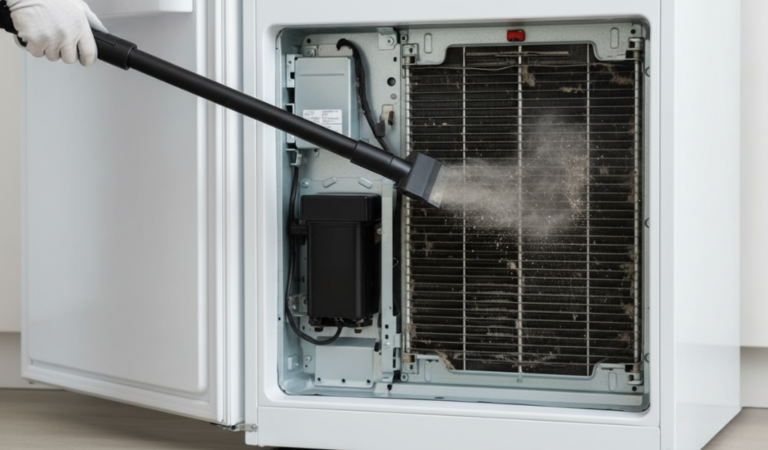
The coils on the back or bottom of your fridge release heat. If they are covered in pet hair and dust, the fridge can’t cool itself efficiently. A quick vacuum of the coils every six months can actually extend the life of your produce—and your appliance.
A completely empty fridge is actually less efficient than a moderately full one. The cold items help maintain the temperature. However, an overstuffed fridge is a disaster. If air cannot circulate around the food, you will get “hot zones” where bacteria will flourish. Aim for about 70% capacity.
Professional kitchens use a system called FIFO. It stands for “First In, First Out.” You should apply this to your home refrigerator as well.
When you come home with new groceries, don’t just put them at the front. Move the older items to the front and put the new stuff at the back. This ensures you use the older spinach before it turns into a science project.
Create a small bin or designated area on the middle shelf for items that are nearing their expiration date. This acts as a ‘visual cue’ for your family to use those items first when looking for a snack or planning a meal. Try to organize everything in a better way. 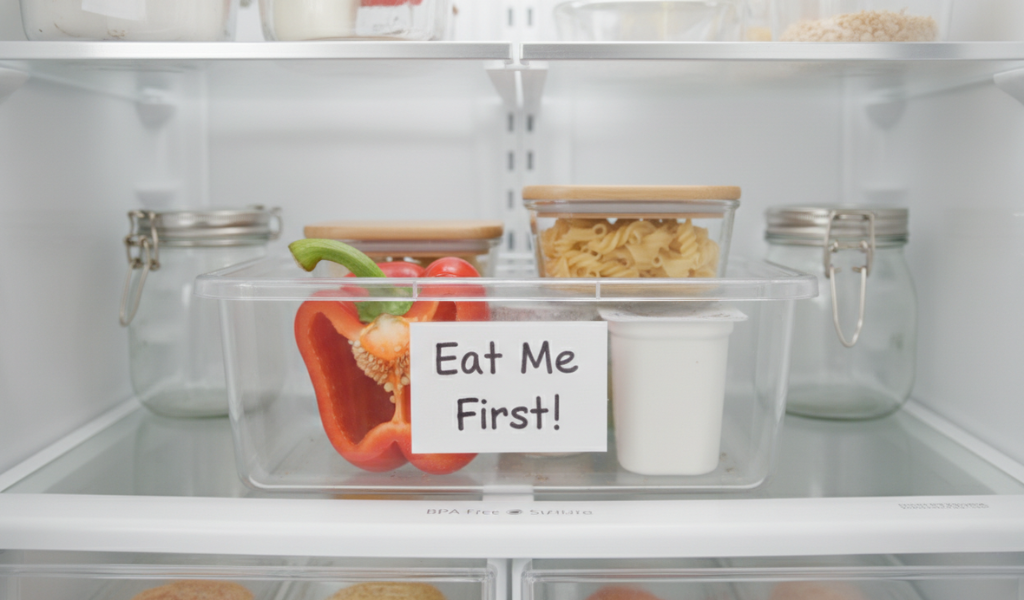
Knowing how to make food last longer in your fridge is more than just a kitchen hack—it is a financial and environmental win. Every time you save a head of lettuce or extend the life of your ‘hello fresh meals’, you are keeping money in your pocket and reducing your carbon footprint.
To recap the “Pro” strategy:
By treating your fridge appliances with a little bit of respect and scientific curiosity, you can turn your kitchen into a bastion of freshness. Use these simple habits to keep food fresh longer and reduce waste.
Actually, no! While the fridge prevents mold, it speeds up a process called “retrogradation,” which makes the bread go stale and hard much faster. It is better to keep bread in a cool, dry pantry or freeze it if you won’t finish it in a few days.
Cucumbers are sensitive to “chilling injury.” If they get too cold (below 40°F), they start to collapse. To prevent this, store them on the ‘upper shelf’ or in the front of the fridge where it is slightly warmer, and never keep them at the very back near the cooling element.
Most kits are designed to last about 5 days. However, seafood is the exception—you should cook fish within 2 days of delivery. If you know you won’t get to a meal until day 6 or 7, consider freezing the protein immediately upon arrival.
Small amounts of warm food are fine. However, a large pot of boiling soup can raise the internal temperature of your refrigerator, putting other ‘fresh food’ at risk. It is best to let large items cool on the counter for about 30–45 minutes (but no longer than 2 hours) before refrigerating.
Yes, but not what you think. It doesn’t keep food fresh, but it does ‘absorb odors’. By neutralizing acidic and basic smells, it prevents your butter from tasting like the onions you stored on the shelf below. For best results, replace the box every three months.
Often, yes! If your carrots or celery have gone “bendy,” they are just dehydrated. Submerge them in a bowl of ice water for 30 minutes. They will soak up the moisture through osmosis and become crunchy again.
This usually happens if the door seal is leaking or if you are shoving food against the back wall, blocking the air vents. Ensure there is ‘proper airflow’ and that no items are touching the cooling plate at the back.