Physical Address
304 North Cardinal St.
Dorchester Center, MA 02124
Physical Address
304 North Cardinal St.
Dorchester Center, MA 02124

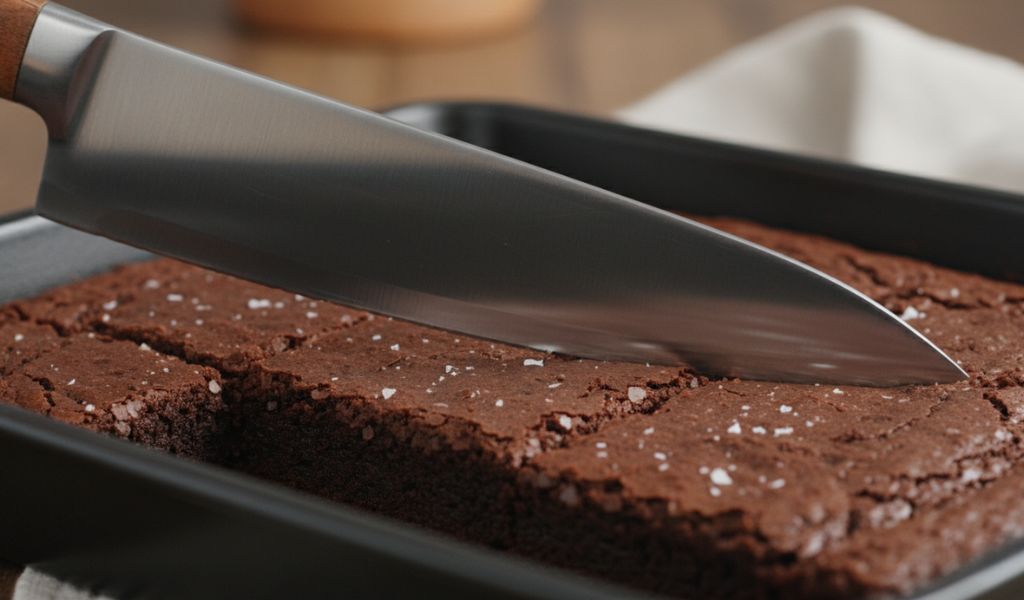
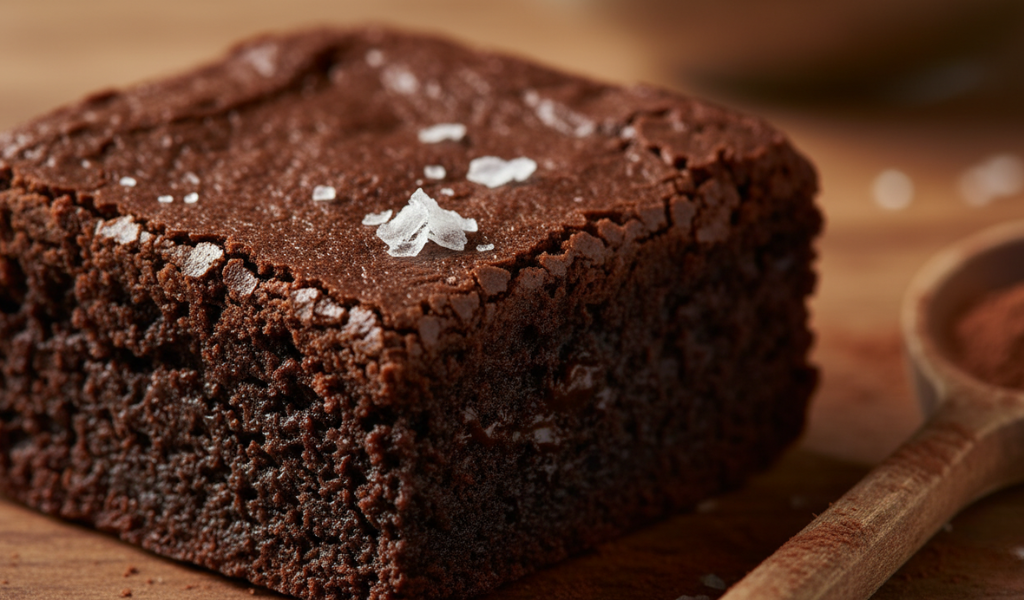
There is nothing quite like a warm, fudgy brownie with a crackly top and a center that melts in your mouth. But if you’ve ever pulled a pan out of the oven only to find they are too cakey, too greasy, or—heaven forbid—dry, you know that baking the perfect batch is a science. Learning how to make better brownies every time isn’t just about following a recipe ; it’s about understanding the ‘magic’ of ingredients. Whether you are a fan of boxed brownies or scratch-made masterpieces, the secret usually lies in the fat you choose.
When you’re standing in your kitchen wondering which makes better brownies, you’re likely choosing between the two heavy hitters of the baking world: butter and oil. This choice is more than just a matter of what you have in the pantry; it is about the physics of the final bite.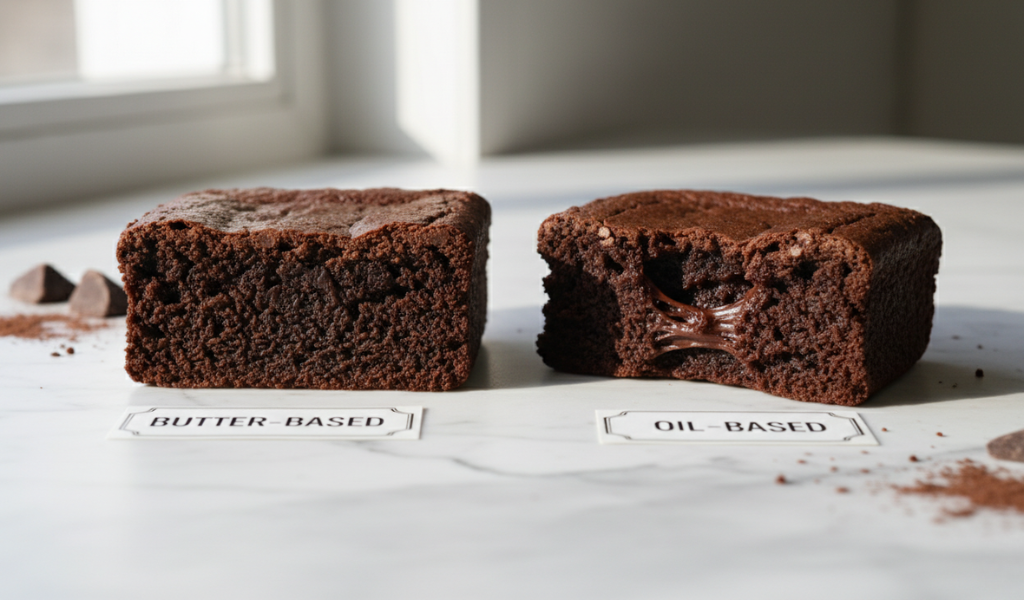
Most of us have been there—halfway through a recipe only to realize the butter dish is empty, or looking at a box of mix and wondering if swapping the oil for butter will make it taste more “homemade.” The truth is, both fats serve a specific purpose, and understanding their strengths is the first step in learning how to make better brownies.
Butter offers a complexity that oil simply cannot mimic, while oil provides a structural reliability that keeps your treats soft for days on end. If you are craving a brownie that tastes like a luxury chocolate bar, butter is usually the winner. However, if you want that nostalgic, chewy texture that reminds you of a childhood snack, oil is the way to go. Therefore, the answer depends entirely on your personal ‘dessert goals’.
To master the art of the perfect tray bake, you have to look at the simple chemistry of your ingredients. Butter is roughly 80% fat and 16% water, with the remaining part consisting of milk solids. Because it is saturated fat, it stays solid at room temperature. This means as your brownies cool, the butter firms up, creating a dense, ‘sturdy’ structure that holds its shape beautifully.
On the flip side, vegetable oil is 100% fat and remains liquid at room temperature. This is why oil-based brownies often feel more “moist” on the tongue; the fat never solidifies, keeping the crumb flexible and elastic. When deciding what to use when you’re baking, consider your timeline. If you plan to eat the whole pan within an hour, butter is perfect. If you need them to last for a bake sale three days from now, oil is the superior choice.
In addition, the water content in butter can interact with the flour to create a bit more gluten, which sometimes leads to a slightly loftier, more cake-like result compared to the heavy, flat profile of an oil-based brownie. It is a subtle dance between moisture and stability.
To settle the score and help you decide which makes better brownies, we looked at how these fats behave in different environments. Here is what we discovered during the testing process across various styles.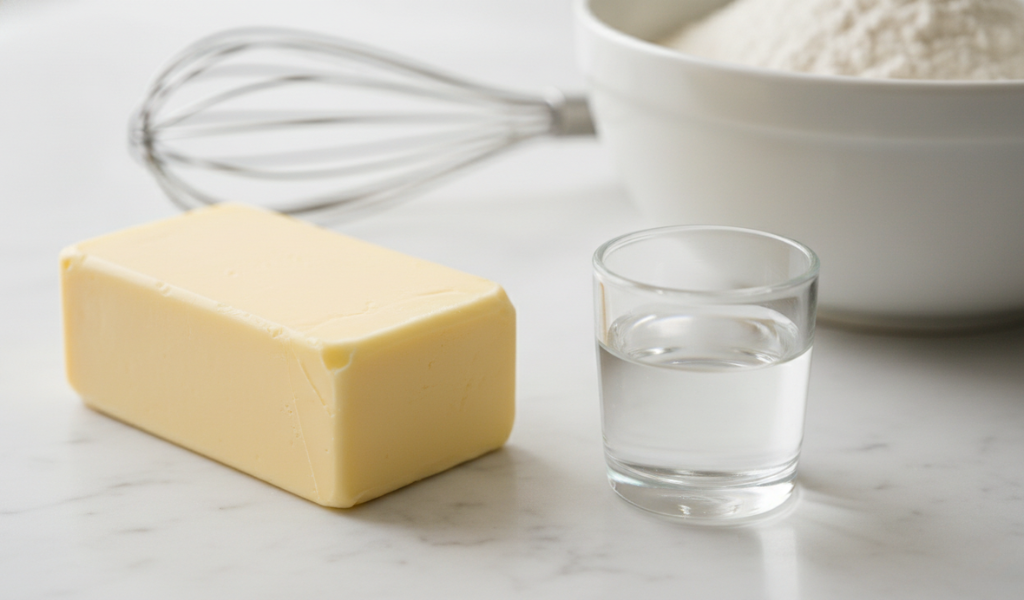
In high-fat recipes, butter is absolutely essential. Using melted and ‘browned butter’ adds a nutty complexity that oil simply cannot replicate. The milk solids in the butter toast as you heat it, creating a deep, caramel-like aroma that permeates the entire batch.
Recipes designed for vegetable oil usually aim for a dark, cocoa-forward profile. These are the recipes that focus on ease and a very specific mouthfeel.
Boxed brownies are engineered for convenience and oil. They are the gold standard for that “boxed chew” we all grew up with.
If you really want to know how to make better brownies, the answer isn’t always “one or the other”—it’s both. Most home bakers think they have to choose a side, but professional pastry chefs often mix their fats to achieve the ‘perfect balance’.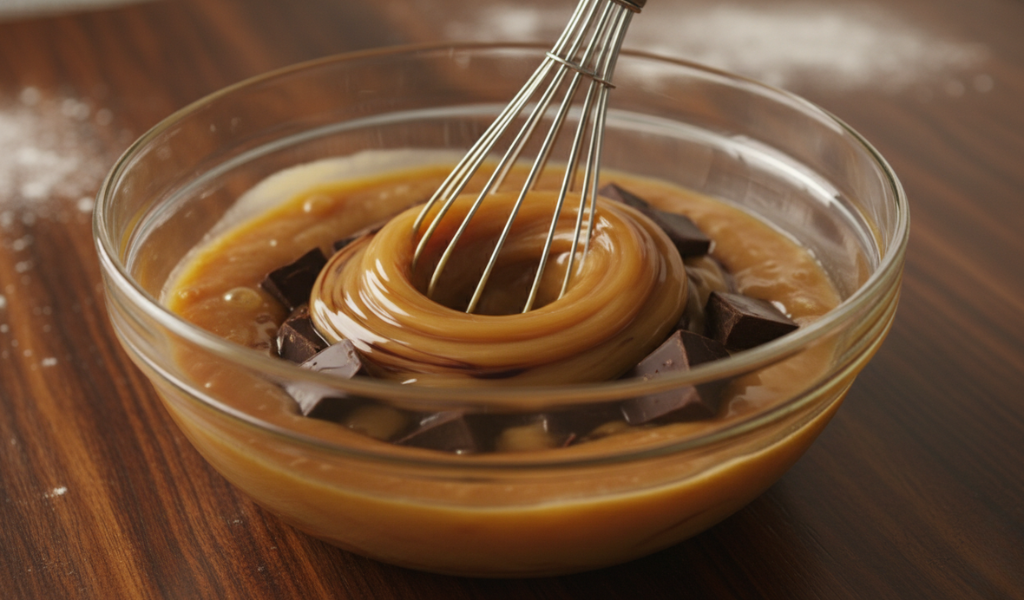
The most successful recipes on the market today use a combination of fats. By using a mix, you get the best of both worlds:
This hybrid approach prevents the brownies from becoming rock-hard in the fridge—a common issue with all-butter recipes—while ensuring they don’t taste like plain vegetable oil. It is the ultimate compromise for the baker who wants it all.
Beyond the fat content, there are several small techniques that can transform a mediocre dessert into a masterpiece. Here are a few expert ways to level up your baking game:
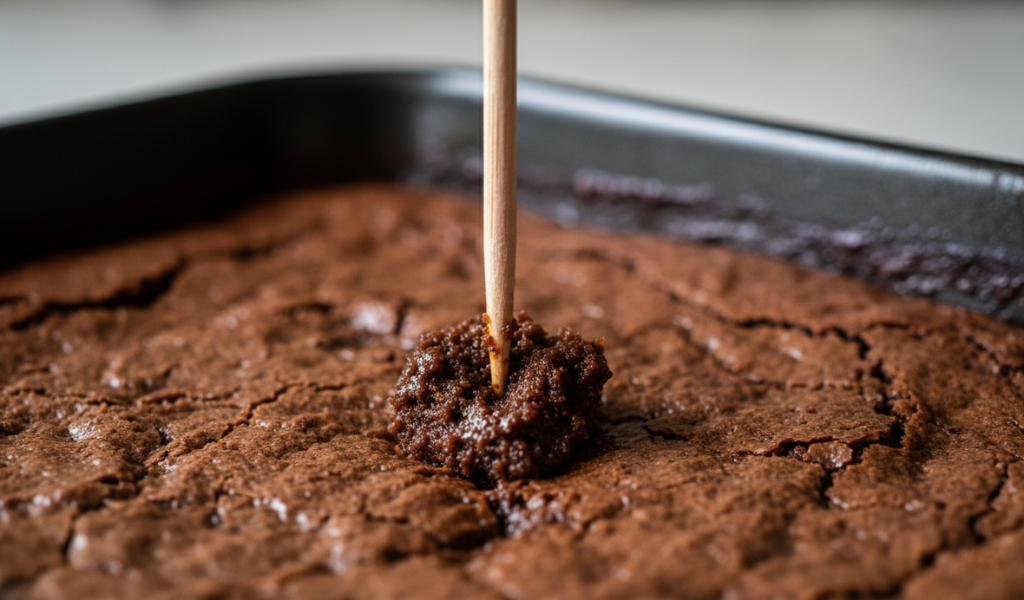
In the end, the “best” brownie is entirely subjective and depends on your own cravings. There is no wrong way to enjoy chocolate, but there are definitely ways to refine the experience.
Now that you know the secrets of how to make better brownies, it’s time to head to the kitchen and put this knowledge to the test. Experiment with your fats, watch your bake times closely, and remember: even a “failed” brownie is still a delicious chocolate snack! Baking is a journey, and every pan gets you closer to your own version of perfection.
Ready to bake? Grab your favorite cocoa powder and let’s get started!
Generally, yes, you can swap them, but the texture will change significantly. Swapping butter for oil will make the brownies chewier and moister over time, while swapping oil for butter will make them more cakey, structured, and flavorful. Just remember that oil is 100% fat while butter contains some water, so the consistency of the batter might look a bit different.
Cakey brownies usually have too much flour or too many eggs, which provide too much structure and lift. To fix this and move toward a fudgy style, increase the fat content (butter and oil) and decrease the amount of flour. Also, avoid using baking powder if your recipe calls for it, as that adds unwanted fluffiness.
The signature crackly top comes from dissolving the sugar properly in the fat and eggs. Whisking your eggs and sugar together vigorously for several minutes before adding the melted chocolate helps create a ‘meringue-like’ crust that shatters when you bite into it.
Yes, it certainly is! A high-quality extra virgin olive oil can add a beautiful fruity or peppery note to dark chocolate brownies. It’s a very ‘gourmet’ twist. However, for a neutral taste that doesn’t distract from the chocolate, it is better to stick to vegetable or canola oil.
It is incredibly tempting to cut them immediately while they are hot, but for the best texture, you should wait at least 30 to 60 minutes. This allows the internal structure to set properly so you get clean, sharp edges instead of a messy pile of crumbs.
You can technically use it, but it is not recommended for high-quality baking. Margarine has a much higher water content and far less flavor than real butter, which can lead to a ‘rubbery’ or greasy texture in your brownies.