Ultimate Guide: Does Balsamic Glaze Need to Be Refrigerated?

Does balsamic glaze need to be refrigerated? is a common query for culinary enthusiasts seeking to preserve the exquisite flavors of this beloved condiment. The storage of balsamic glaze can hinge on various factors—its composition, preservatives, and usage patterns. While some varieties withstand room temperature storage, refrigeration post-opening might enhance longevity and taste.
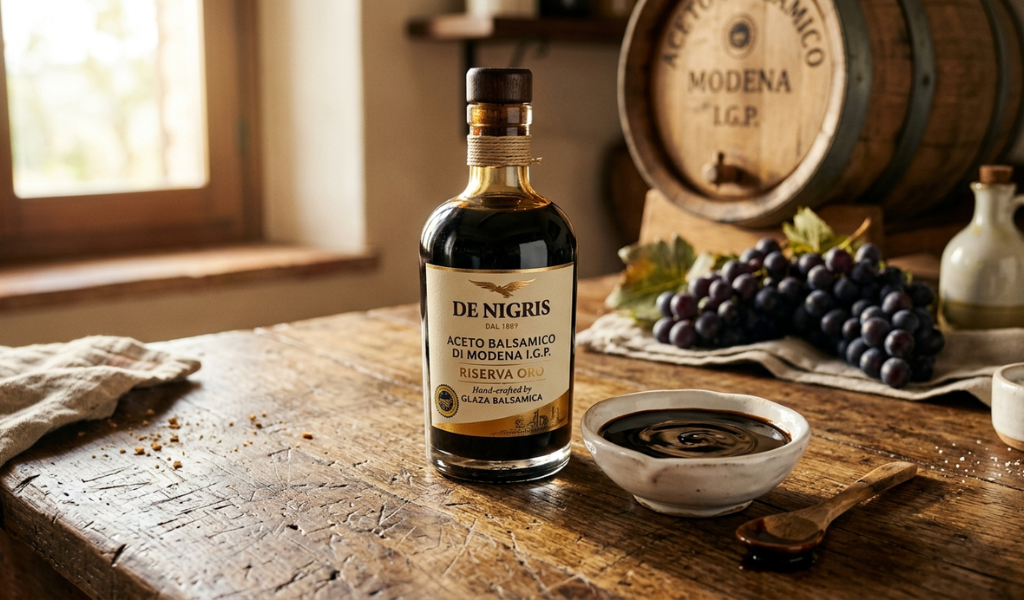
Table of Contents

Understanding the nuances between room temperature and refrigeration is key to relishing the full potential of balsamic glaze in your culinary endeavors. Let’s dive deeper into the nuances of preserving this delightful concoction to ensure you savor its richness to the fullest.

Main Summary: Does Balsamic Glaze Need to Be Refrigerated?

Unopened balsamic glaze can be stored in a cool, dark place for up to a year without refrigeration. After opening, refrigerate it to maintain quality for about 3-6 months, preserving its flavor and consistency. Always check the label for precise storage recommendations, as durations might vary among different brands

What Is Balsamic Glaze?

Balsamic glaze, a revered culinary companion, is a condiment originating from Italy’s Modena region. Crafted from concentrated and cooked grape must, it undergoes a meticulous aging process in wooden barrels, often oak, cherry, or chestnut, to cultivate its rich flavors.

This glaze boasts a velvety texture and a harmonious blend of sweet and tangy notes, offering a versatile addition to various dishes. Its deep, dark hue and syrupy consistency result from the reduction of grape must, lending it a distinct caramel-like richness.

Unlike traditional balsamic vinegar, which also originates from grape must but undergoes a different aging process, balsamic glaze is typically sweeter, denser, and has a more concentrated flavor profile. It elevates the taste of dishes, adding a delightful complexity whether drizzled over salads, roasted vegetables, grilled meats, or even desserts like strawberries and ice cream.
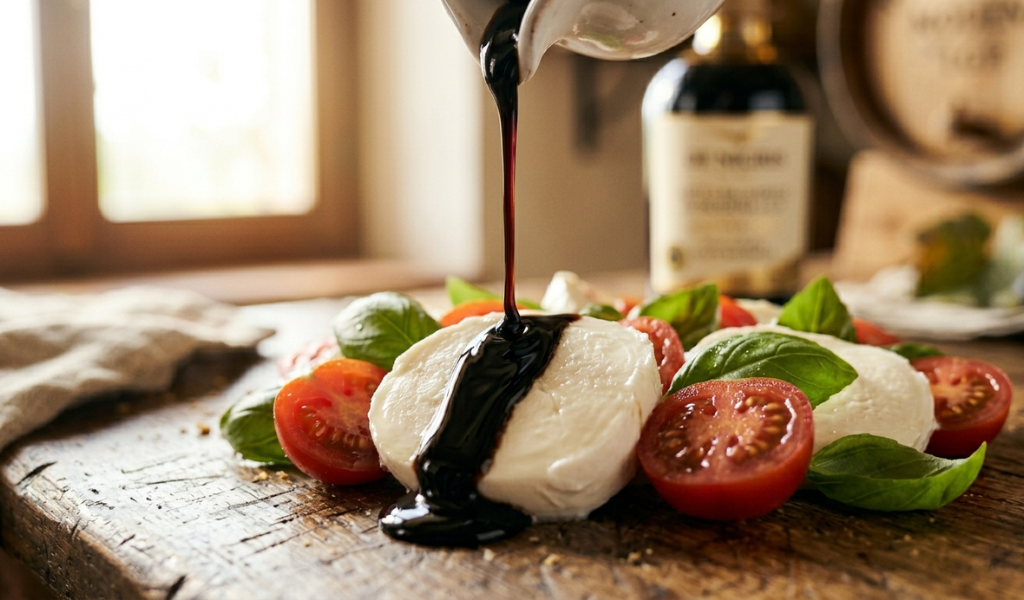
Renowned for its culinary flexibility, balsamic glaze serves as an ideal finishing touch, imparting a burst of flavor and visual appeal to culinary creations. Its versatility extends beyond savory dishes, making it a favored ingredient in desserts and cocktails due to its luxurious taste.

Appreciated for its intense and nuanced flavor profile, balsamic glaze has become a staple in kitchens worldwide, cherished for its ability to transform ordinary dishes into extraordinary culinary experiences.

Does Balsamic Glaze Need to Be Refrigerated?

Balsamic glaze, prized for its flavor-enhancing properties, often sparks debates about whether it requires refrigeration for optimal preservation. The answer, however, lies in several factors that influence its shelf life and quality maintenance.

Firstly, balsamic glaze typically consists of concentrated grape must that undergoes a reduction process, yielding its distinctive syrupy consistency and sweet-tangy flavor profile. This reduction, along with the addition of vinegar, contributes to its natural preservation, allowing it to remain stable at room temperature for a considerable period.

Unopened bottles of commercially produced balsamic glaze can generally be stored in a cool, dry place, away from direct sunlight, maintaining their quality for an extended duration. However, it’s crucial to adhere to the manufacturer’s recommendations, as some variations might contain additional ingredients that influence their storage requirements.
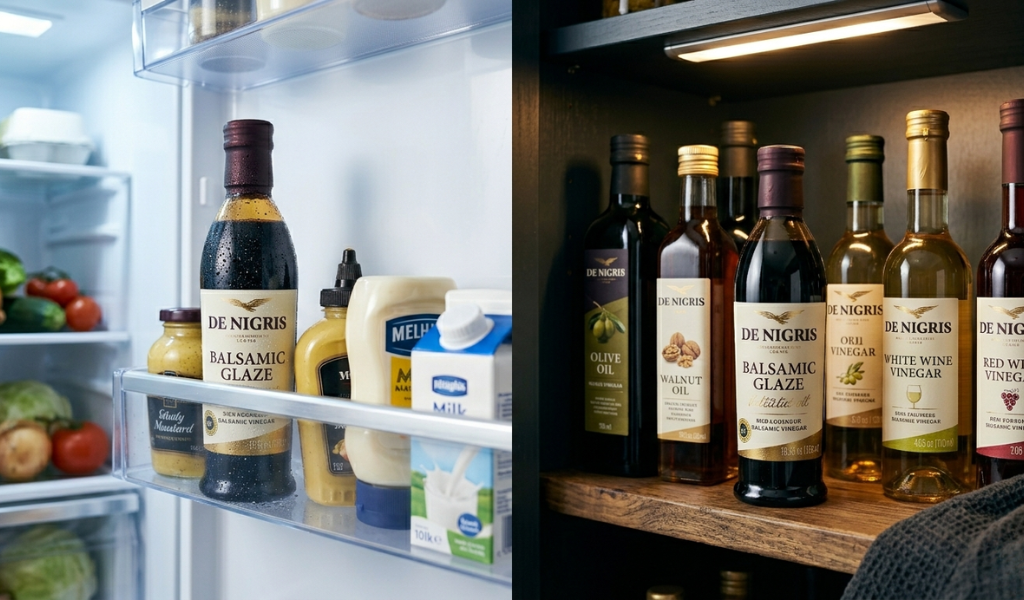
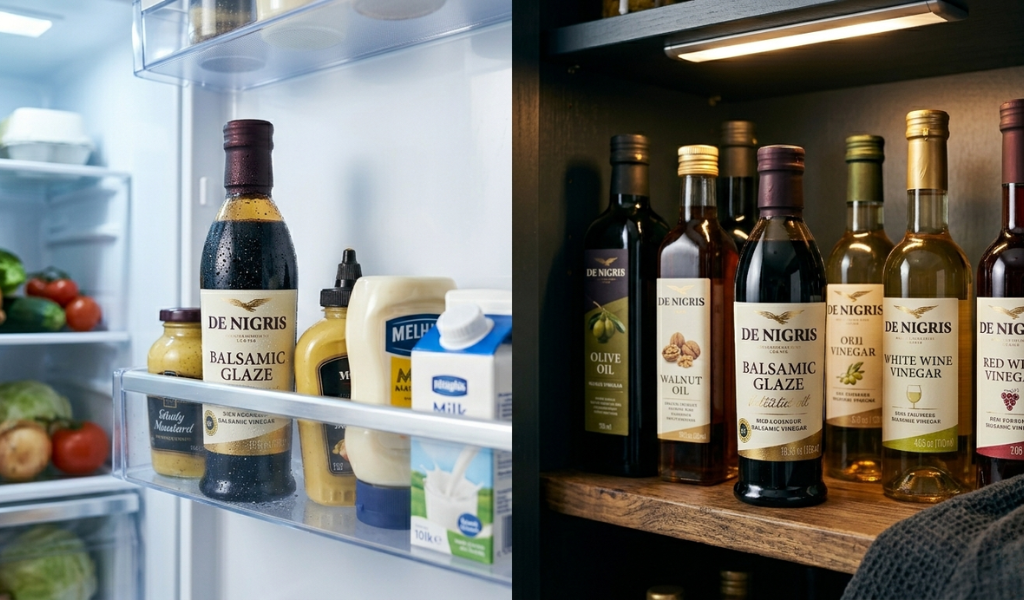
Once opened, factors like exposure to air and temperature fluctuations can affect the glaze’s longevity and flavor. To ensure prolonged freshness, many experts recommend refrigerating opened balsamic glaze. The cooler environment helps slow down any potential degradation, preserving its taste and consistency over time.

However, refrigeration isn’t always mandatory. Some balsamic glaze varieties, particularly those with higher sugar content or preservatives, can maintain their quality at room temperature for a reasonable period even after opening. Always refer to the product label or manufacturer’s instructions for precise storage guidelines.

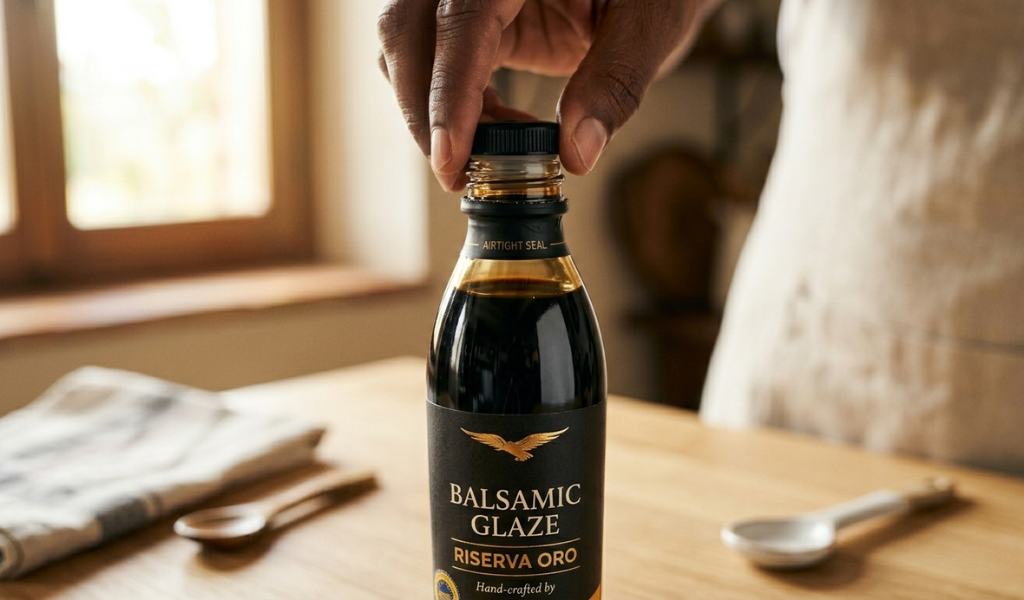
An important consideration is the container used for storing balsamic glaze. Airtight bottles or containers with proper seals help prevent air exposure and maintain the glaze’s integrity, whether stored at room temperature or in the refrigerator.

It’s essential to monitor balsamic glaze for any signs of spoilage, irrespective of storage methods. Changes in color, texture, or an off-putting odor indicate potential degradation and should prompt disposal.

Ultimately, while refrigeration can prolong the shelf life of opened balsamic glaze, it’s advisable to consume it within a reasonable timeframe for optimal taste and quality. When in doubt, refrigeration is a safe bet to preserve its flavor profile and extend its usability.

The need to refrigerate balsamic glaze largely depends on its specific formulation, storage conditions, and whether it’s opened or unopened. Following manufacturer guidelines, using airtight containers, and monitoring for changes ensure that this beloved culinary enhancer continues to delight taste buds with its exquisite flavors.

Step-by-Step Storage Guidelines for Balsamic Glaze: Maximizing Freshness and Flavor

Balsamic glaze, prized for its culinary versatility, demands meticulous storage practices to preserve its rich flavor and quality. Follow these step-by-step guidelines to ensure optimal storage for unopened and opened bottles of balsamic glaze:
Unopened Balsamic Glaze: Room Temperature Storage

  • Check Manufacturer’s Recommendations: Before storage, review the bottle for specific instructions from the manufacturer regarding room temperature storage.
  • Find a Cool, Dry Spot: Select a cool, dry area away from direct sunlight to store the unopened bottle. A pantry or cupboard works well.
  • Ensure Secure Seal: Verify that the bottle is tightly sealed to prevent air exposure, maintaining the glaze’s integrity.
  • Periodically Inspect: Occasionally check the bottle for any signs of damage or leaks that might compromise the glaze.

Unopened Balsamic Glaze: Refrigeration Consideration

  • Assess Need for Cooling: Determine if refrigeration is advised based on the glaze’s ingredients and the manufacturer’s guidelines. Some varieties may benefit from cooler storage.
  • Choose Suitable Space: If refrigeration is recommended, designate a spot in the refrigerator with consistent temperatures for the unopened bottle.
  • Avoid Extreme Cold: Ensure the bottle isn’t placed near areas prone to extreme cold, such as directly against the back of the freezer compartment.
  • Maintain Airtight Seal: Confirm that the bottle remains tightly sealed to prevent exposure to moisture and other food odors in the refrigerator.

Opened Balsamic Glaze: Deciding on Refrigeration

  • Check Product Label: Refer to the label or package insert to ascertain whether refrigeration is advised for opened glaze.
  • Optimal Storage Conditions: If recommended, transfer the opened bottle to the refrigerator for prolonged freshness. Use within the recommended timeframe for optimal taste.
  • Consider Room Temperature Storage: Evaluate the glaze’s composition and preservatives; some types may remain stable at room temperature post-opening. Follow manufacturer instructions.
  • Secure Container: Ensure the container used for refrigeration has a secure seal, preventing air exposure and maintaining the glaze’s consistency.

Monitoring and Evaluation

  • Regular Inspection: Routinely examine the glaze for any changes in color, texture, or odor, regardless of storage method, to detect signs of spoilage.
  • Dispose if Spoiled: If there are any indications of spoilage, discard the glaze promptly to prevent adverse effects on dishes.

Tips for Longevity and Quality Retention

  • Consume Within Timeframe: Aim to use opened balsamic glaze within a reasonable period for optimal taste and quality.
  • Rotation Strategy: If storing multiple bottles, follow a “first in, first out” rotation to ensure freshness.
  • Shield from Sunlight: Protect the glaze from direct sunlight to prevent heat exposure, which can impact its taste and consistency.

Adhering to these step-by-step storage guidelines ensures that both unopened and opened bottles of balsamic glaze maintain their exceptional flavor and quality. Whether choosing room temperature or refrigeration, securing airtight seals, regular inspection, and adhering to recommended consumption periods elevate culinary creations with the delightful taste of balsamic glaze.

Safety Considerations for Storing Balsamic Glaze: Ensuring Quality and Freshness

While balsamic glaze is a culinary delight renowned for its rich taste, proper storage is pivotal to maintaining its quality and safety. Understanding safety considerations in storing balsamic glaze is essential to ensure its freshness and avoid potential risks.

Contamination Prevention: Sealing and Storage

  • Airtight Containers: Store balsamic glaze in containers with secure seals to prevent air exposure, which can lead to spoilage or flavor alteration.
  • Moisture Protection: Shield the glaze from moisture by ensuring the container’s tight seal, preventing potential mold growth or consistency changes.
  • Avoid Temperature Extremes: Protect balsamic glaze from extreme temperatures to prevent spoilage or alteration of its taste profile.

Shelf Stability: Unopened vs. Opened Storage

  • Unopened Stability: Commercially produced, unopened balsamic glaze often maintains stability at room temperature due to its concentrated nature and acidity.
  • Opened Bottle Consideration: Once opened, factors like increased air exposure might necessitate refrigeration to prolong the glaze’s shelf life and preserve its flavor.

Refrigeration Consideration: Opened Bottles

  • Manufacturer’s Guidelines: Refer to the manufacturer’s recommendations; some opened balsamic glaze varieties benefit from refrigeration for prolonged freshness.
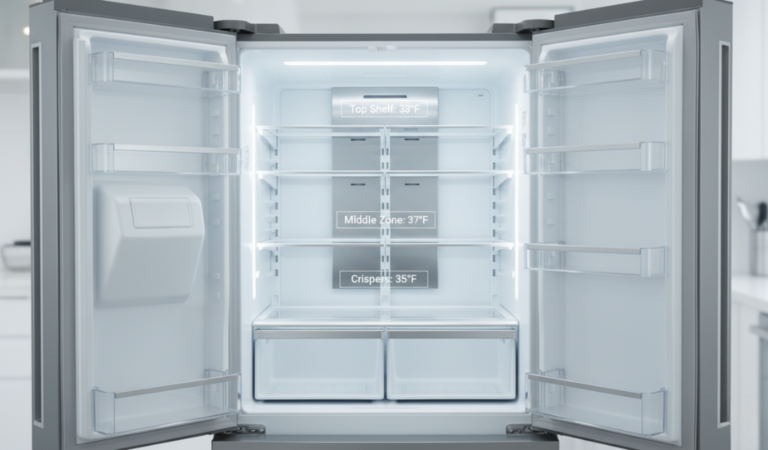
  • Optimal Refrigeration: Use the refrigerator’s consistent temperature zones to maintain the glaze’s quality without exposure to extreme cold.
  • Container Seal Integrity: Ensure the container used for refrigeration maintains a tight seal to prevent moisture intrusion and maintain flavor.

Spoilage Indicators: Signs to Monitor

  • Visual Inspection: Regularly inspect the glaze for changes in color, texture, or the presence of any unusual substances, which indicate potential spoilage.
  • Smell Test: Use your sense of smell to detect any off-putting or sour odors, signaling possible deterioration.
  • Taste Check: If suspicions arise, taste a small amount for any unusual flavors or signs of fermentation that indicate spoilage.

Consumption Timeline: Best Practices

  • Timely Consumption: Aim to consume opened balsamic glaze within a reasonable period for optimal taste and quality.
  • Rotation Strategy: Implement a rotation strategy, using older bottles first to maintain freshness and avoid prolonged storage.
  • Sunlight Exposure: Shield balsamic glaze from direct sunlight to prevent heat exposure, which may impact its taste and consistency.

Safety First: Disposal of Spoiled Glaze

  • Prompt Disposal: If spoilage indicators are evident, discard the glaze promptly to prevent adverse effects on dishes or potential health risks.
  • Preventive Measures: Regularly check and adhere to storage guidelines to mitigate the risk of spoilage and ensure culinary safety.

Maintaining the quality and safety of balsamic glaze involves vigilant storage practices. From using airtight containers to monitoring for spoilage indicators, following safety considerations ensures that the glaze continues to enhance culinary creations with its exquisite taste while prioritizing consumer health and satisfaction.

Exploring the Benefits and Drawbacks: Refrigerating Balsamic Glaze

Refrigeration as a storage method for balsamic glaze offers advantages and disadvantages that impact its taste, longevity, and overall quality. Delve into the benefits and drawbacks of refrigerating balsamic glaze to make informed decisions about its storage:
Benefits of Refrigerating Balsamic Glaze

  • Prolonged Shelf Life: Refrigeration extends the shelf life of opened balsamic glaze by slowing down potential degradation, preserving its taste and consistency for a longer duration.
  • Temperature Stability: Cooler temperatures in the refrigerator provide stable storage conditions, especially in climates prone to heat fluctuations, safeguarding the glaze against heat-induced changes.
  • Minimized Spoilage Risk: Refrigeration mitigates the risk of spoilage due to increased exposure to air or temperature variations, maintaining the glaze’s quality over time
  • Optimal Freshness: Stored in cooler environments, refrigerated balsamic glaze often retains its freshness, ensuring a consistent taste with each use.

Drawbacks of Refrigerating Balsamic Glaze

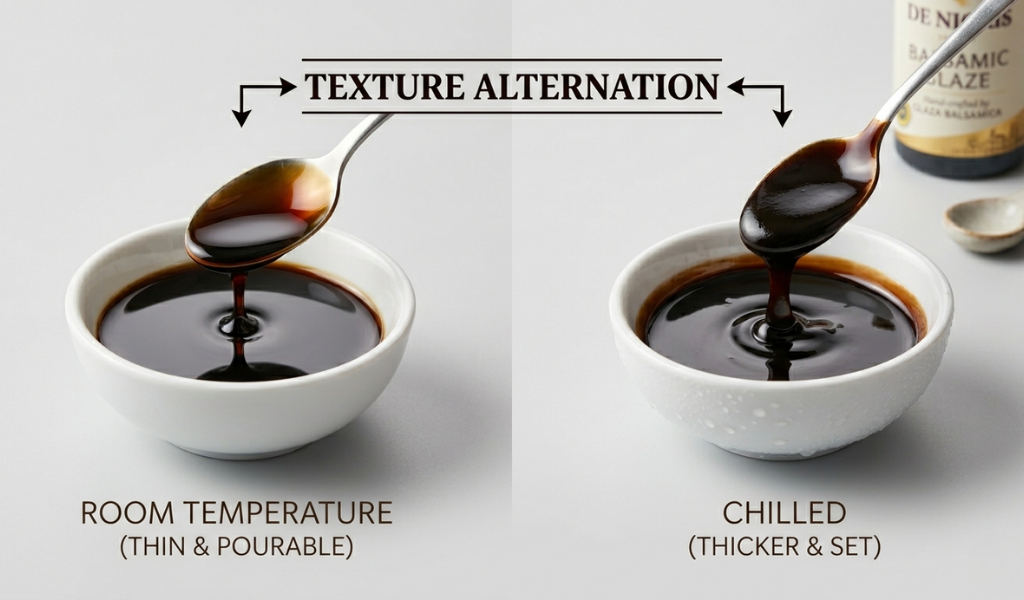
  • Texture Alteration: Refrigeration might cause the glaze to thicken or solidify, affecting its texture and making it less pourable compared to room temperature storage.
  • Flavor Dulling: Extended refrigeration can potentially dull the flavors of balsamic glaze, impacting its intensity and complexity, albeit slightly.
  • Condensation Risks: Changes in temperature between storage and removal from the refrigerator can cause condensation on the bottle, potentially affecting the glaze’s quality.
  • Adaptation Time: Refrigerated glaze might require some time to return to its pourable consistency after removal from the refrigerator, which can be inconvenient.

Finding a Balance: Tips for Refrigerating Balsamic Glaze

  • Consider Container Selection: Use glass or airtight containers for refrigerating balsamic glaze to prevent exposure to external odors and maintain its taste.
  • Controlled Temperature: Store the glaze in the refrigerator at a consistent temperature to avoid temperature fluctuations that could impact its quality.
  • Controlled Duration: Limit the refrigeration duration to the necessary period recommended for maintaining freshness without affecting its texture or taste negatively.
  • Gradual Temperature Adaptation: Allow the glaze to gradually come to room temperature before use to restore its pourable consistency and optimal flavor.

Refrigerating balsamic glaze offers advantages like prolonged shelf life and minimized spoilage risks but presents challenges such as texture alteration and potential flavor dulling. Understanding these benefits and drawbacks empowers enthusiasts to make informed decisions about storage methods.

By employing careful practices and balancing preservation needs with taste preferences, individuals can enjoy balsamic glaze at its best while ensuring its longevity. Experimentation and adjustments based on personal preferences can further optimize the storage experience, striking a balance between preservation and taste excellence.

Expert Tips: Extending the Lifespan of Balsamic Glaze

Balsamic glaze, a culinary treasure cherished for its rich flavors, can maintain its quality and freshness with expert-backed strategies. Explore these tried-and-tested tips from culinary experts to prolong the lifespan of your beloved balsamic glaze:

Optimal Storage Conditions

Room Temperature vs. Refrigeration

Evaluate the glaze’s composition and consult manufacturer recommendations to decide between room temperature storage or refrigeration for prolonged freshness.

  • Airtight Containers: Use airtight glass or non-reactive containers to store balsamic glaze, minimizing air exposure and maintaining its flavor.
  • Dark, Cool Storage: Store the glaze away from direct sunlight in a cool, dark place to prevent heat exposure, preserving its taste and consistency.

Sealing Techniques

  • Secure Lids: Ensure lids or caps are tightly sealed after each use to prevent air from entering the bottle, maintaining the glaze’s integrity.
  • Clean Rim: Wipe the bottle’s rim before resealing to prevent crystallization and maintain a secure seal for optimal freshness.

Usage and Rotation Strategy

  • Limited Exposure: Minimize the time the bottle remains open during use to reduce air exposure, preserving the glaze’s quality.
  • First In, First Out (FIFO): Practice a ‘first in, first out’ rotation method when using multiple bottles, ensuring older ones are used first to maintain freshness.

Temperature Control

  • Consistent Storage Temperature: Maintain a consistent storage temperature, whether at room temperature or in the refrigerator, to prevent fluctuations that could impact the glaze.
  • Gradual Temperature Adaptation: Allow refrigerated glaze to gradually come to room temperature before use to restore its pourable consistency and enhance flavor.

Regular Inspections

  • Vigilance for Spoilage: Routinely inspect the glaze for any signs of spoilage, such as changes in color, texture, or off-putting odors, and promptly discard if detected.

Limited Exposure to External Factors

  • Avoid Cross-Contamination: Keep the glaze away from strong-smelling foods or potential contaminants to maintain its distinct taste and aroma.
  • Shield from Light: Protect the bottle from direct sunlight exposure, as light can impact the glaze’s taste and longevity.

Consistent Usage Recommendations

  • Follow Expiry Guidelines: Adhere to the recommended usage time-frame indicated on the bottle for optimal taste and quality.
  • Manufacturer Consultation: Reach out to the manufacturer or culinary experts for specific tips or advice on maximizing balsamic glaze lifespan.

These expert-endorsed strategies offer effective methods to extend the lifespan of balsamic glaze, preserving its exquisite flavors and consistency. By implementing optimal storage practices, maintaining sealed containers, and practicing mindful usage, enthusiasts can savor the glaze’s richness over an extended period.

Expert-backed insights ensure that balsamic glaze continues to elevate culinary creations with its delightful taste, providing a satisfying and flavorful experience with each use.

Final Word

Ultimately, whether to refrigerate balsamic glaze hinges on factors like its composition, preservatives, and usage frequency. While refrigeration prolongs shelf life, some varieties remain stable at room temperature. Adhering to manufacturer guidelines, maintaining airtight seals, and monitoring for spoilage ensure quality.

Whether refrigerated or stored at room temperature, enjoy this culinary delight within recommended timeframes for the best taste. Experimentation with storage methods can optimize freshness, allowing enthusiasts to relish the unique flavors of balsamic glaze.

Frequently Asked Questions

Can Balsamic Glaze Be Stored at Room Temperature?

Balsamic glaze is generally suitable for room temperature storage if unopened. However, post-opening, refrigeration is often recommended for most varieties to ensure its flavor and consistency remain intact. Always refer to specific product instructions for accurate guidance.

Does Balsamic Go Bad if Not Refrigerated?

Unopened balsamic glaze tends to remain stable at room temperature for extended periods. Once opened, while it might not necessarily spoil rapidly, refrigeration helps preserve its taste and prevent potential degradation over time.

How Long Does Balsamic Glaze Need to Be Refrigerated?

Refrigeration after opening prolongs the shelf life of balsamic glaze. Typically, it’s advisable to refrigerate opened glaze to maintain its quality and flavors. Check the label or manufacturer’s instructions for specific duration recommendations.

Does Balsamic Glaze Need to Be Refrigerated Overnight?

Refrigerating balsamic glaze overnight after opening is a good practice. This helps maintain its taste and prevents potential spoilage. For unopened bottles, room temperature storage is generally acceptable.

Does Balsamic Glaze Need to Be Refrigerated in the Fridge?

Yes, refrigerating balsamic glaze post-opening is advisable. While some varieties might remain stable at room temperature initially, storing in the fridge can help preserve its flavor and prevent any possible spoilage.

How Long Does Balsamic Glaze Last After Opening?

Balsamic glaze, when refrigerated after opening, can last for several months. However, adhering to the recommended usage duration mentioned on the bottle ensures optimal taste and quality.

How Long Can Balsamic Glaze Last Unrefrigerated?

Unopened balsamic glaze can typically be stored unrefrigerated at room temperature for an extended period. Yet, refrigeration after opening is usually advised to maintain its taste profile and prevent degradation.

Share Your Love!
Home Kitchen Care Expert

Home Kitchen Care Expert

Disclaimer: This site is owned and operated by Home Kitchen Care. homekitchencare.com is a participant in the Amazon Services LLC Associates Program, an affiliate advertising program designed to provide a means for sites to earn advertising fees by advertising and linking to Amazon.com. This site also participates in other affiliate programs and is compensated for referring traffic and business to these companies.

Articles: 157