Physical Address
304 North Cardinal St.
Dorchester Center, MA 02124
Physical Address
304 North Cardinal St.
Dorchester Center, MA 02124

Does gochujang need to be refrigerated? It’s the age-old kitchen dilemma with this tangy, spicy Korean staple. Ever wondered if your tub of this flavorful chili paste should cozy up in the fridge or not? Stick around because we’ve got the inside scoop on gochujang storage that might surprise you.
Forget the kitchen confusion and get ready to unravel the mystery behind whether chilling or leaving it at room temperature is the real deal for keeping that umami goodness intact. Let’s dive into the spicy world of gochujang storage and settle this debate once and for all!
Main Summary: Does Gochujang Need to Be Refrigerated?
Gochujang, a Korean fermented chili paste, doesn’t require refrigeration before opening, lasting at room temperature for months. Once opened, refrigeration extends its shelf life, maintaining quality for up to a year. Cold storage slows down fermentation, preserving flavor and preventing spoilage.
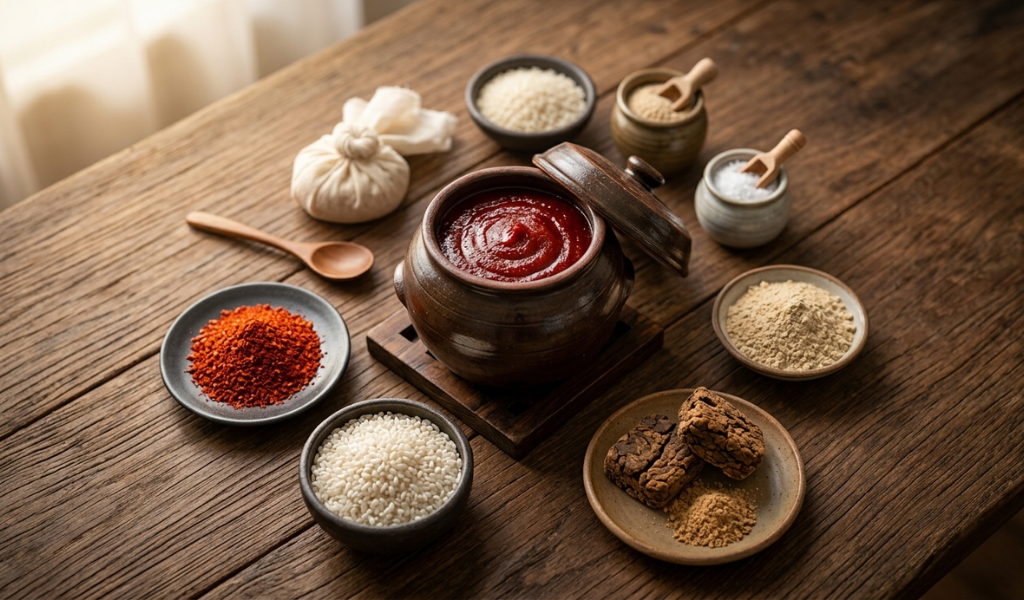
Gochujang, a cornerstone of Korean cuisine, is a robust, fermented chili paste renowned for its complex flavor profile and culinary versatility. Crafted from a blend of red chili peppers, glutinous rice, fermented soybeans, and salt, this condiment embodies the perfect balance of heat, sweetness, and depth.
The making of gochujang involves a meticulous fermentation process that can span weeks or even months. First, glutinous rice, along with soybeans, is cooked and combined with powdered red chili peppers. This mixture is left to ferment in traditional earthenware called onggi. The naturally occurring yeast and bacteria in the air initiate the fermentation, catalyzing the transformation of the ingredients into a thick, savory paste.
The resulting flavor is a harmonious symphony of savory, spicy, and slightly sweet notes, with a lingering umami richness that defines many Korean dishes. Its vibrant red hue hints at the intensity of its flavor, which can range from moderately spicy to fiery, depending on the type of chili peppers used and the fermentation duration.
Gochujang’s culinary applications are boundless. It serves as a foundation in numerous Korean dishes, adding depth and character to classics like bibimbap, tteokbokki, and kimchi. It also doubles as a versatile marinade for meats, a zesty dipping sauce, or a flavor enhancer in soups and stews.
Beyond its taste, gochujang boasts health benefits, containing probiotics from the fermentation process and capsaicin from chili peppers, recognized for their potential antioxidant and anti-inflammatory properties.
This beloved chili paste has gained global recognition, captivating taste buds worldwide with its distinctive taste and adding a touch of Korean flair to diverse culinary creations. Gochujang’s rich history, intricate flavors, and culinary adaptability make it an indispensable gem in the realm of international cuisine.
Gochujang, the fiery and flavorful Korean chili paste, often raises the question: does it require refrigeration for optimal storage? Understanding the factors influencing the need for refrigeration is crucial to preserve its quality and flavor over time.
At the heart of gochujang lies its fermentation process. This transformation from raw ingredients to a complex paste involves a delicate balance of microbes and enzymes. During fermentation, beneficial bacteria and yeasts work their magic, breaking down starches and proteins into aromatic compounds, enhancing its taste and texture.
One key factor influencing gochujang’s storage needs is its pH level. The natural acidity resulting from fermentation acts as a natural preservative, inhibiting the growth of harmful microorganisms. This low pH, typically around 4.0, helps maintain the paste’s stability at room temperature for short periods.
While gochujang benefits from its acidic nature, it remains sensitive to temperature fluctuations. Extended exposure to high temperatures can accelerate fermentation and alter its taste, potentially leading to sourness or overly intense flavors. Conversely, extremely low temperatures may impede the fermentation process, affecting its development of complex flavors.
Another critical aspect affecting gochujang’s longevity is proper storage conditions. Airtight containers shield the paste from oxidation and moisture, preventing spoilage and preserving its vibrant taste. Exposure to air or inadequate sealing may lead to drying or changes in consistency.
Understanding individual manufacturer guidelines is pivotal. Some commercially produced gochujang variants contain preservatives or stabilizers, impacting their storage requirements. Checking product labels for specific storage instructions ensures adherence to recommended practices.
Traditionally, gochujang was stored in ceramic pots, kept at room temperature, allowing gradual fermentation for enhanced flavors. However, modern variations may incorporate preservatives or catering to diverse culinary practices, resulting in differing storage suggestions.
The decision on whether to refrigerate gochujang hinges on various factors: its fermentation process, pH level, temperature sensitivity, air, and moisture control, as well as manufacturer guidelines. While its natural acidity and fermentation offer some resilience at room temperature, optimal storage involves balancing these elements to maintain its quality.
Preserving the rich, complex flavors of gochujang, the iconic Korean chili paste, relies on meticulous storage practices. Proper handling ensures its longevity and sustains its distinctive taste.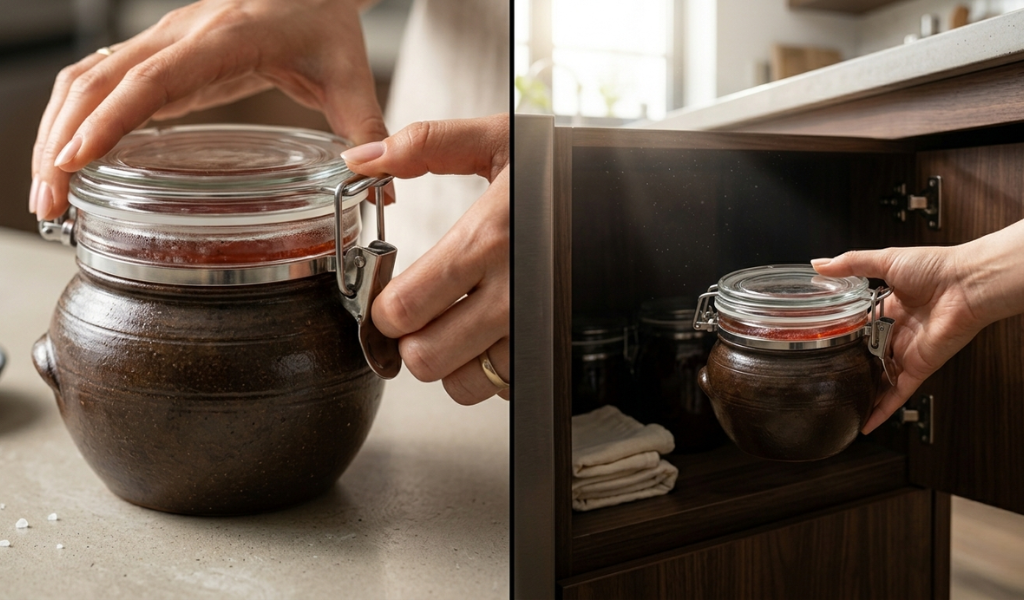
Select airtight containers, preferably glass or food-grade plastic, to preserve gochujang’s freshness. These containers effectively seal in flavors and prevent air exposure, maintaining its authentic taste.
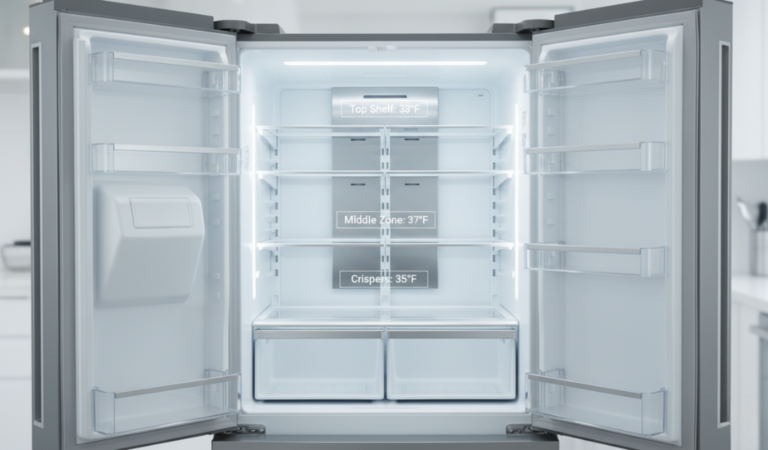
Refrigerate gochujang to extend its shelf life. While it can withstand brief periods at room temperature, storing it in the fridge significantly prolongs its freshness. Aim for a refrigerator temperature range between 36°F to 40°F (2°C to 4°C) for ideal storage.
Protect gochujang from direct sunlight and heat sources. Exposure to light and high temperatures can alter its taste and consistency. Storing it in a cool, dark place preserves its original characteristics.
After each use, tightly seal the container to prevent air exposure. Air exposure accelerates the paste’s aging process, potentially leading to spoilage. Ensure a secure lid to maintain its taste and quality.
Regularly inspect gochujang for signs of contamination. Mold growth, changes in color, or unusual odors indicate spoilage. Discard any compromised portion and sanitize the container for future use.
Maintain cleanliness when handling gochujang. Use clean utensils to avoid contamination. Prevent introducing foreign particles that could compromise its quality.
For partially used containers, create a smooth surface and minimize air pockets. Level the paste’s surface and consider applying a thin layer of sesame oil or using plastic wrap before sealing. This extra layer protects it from air exposure.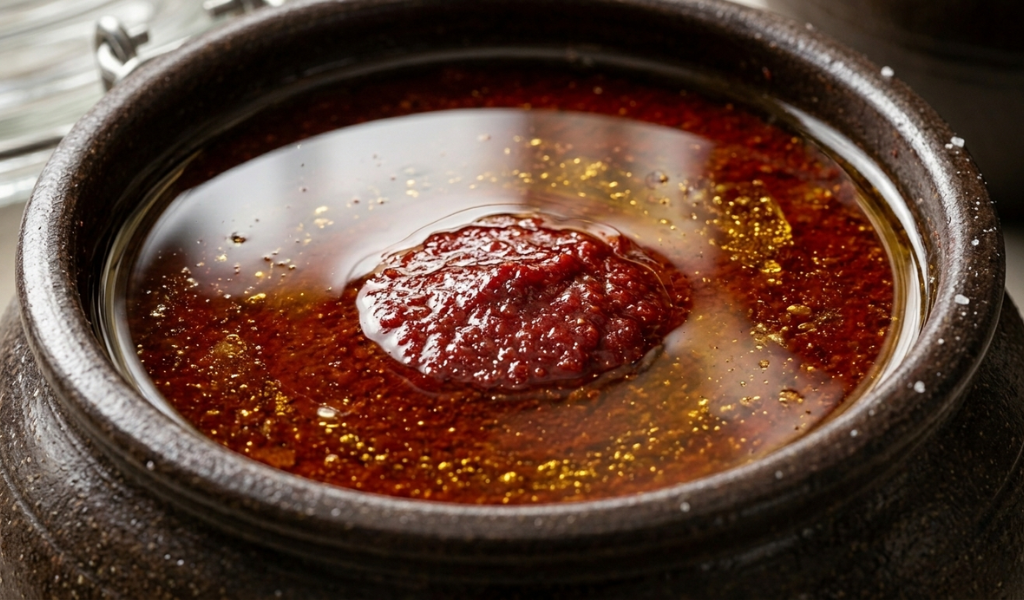
Divide gochujang into smaller portions for convenience. Smaller portions reduce the frequency of opening the main container, minimizing air exposure and sustaining its freshness.
Be mindful of the expiration date. Despite its prolonged shelf life, adhering to the expiration date ensures optimum quality. Discard expired paste to avoid using compromised products.
By adhering to these storage guidelines, enthusiasts can ensure gochujang maintains its bold flavors and quality. Airtight containers, refrigeration, protection from light and heat, secure sealing, cleanliness, portion control, and vigilance regarding expiration dates are crucial in preserving this revered Korean chili paste’s authenticity and taste in various culinary dishes. Following these practices guarantees an extended shelf life, allowing continuous enjoyment of its unique flavors.
While refrigeration is the primary method for preserving gochujang, there are alternative storage approaches to consider for maintaining its taste and quality over time.
If refrigeration isn’t feasible, opt for a cool, dark pantry for gochujang storage. Find a spot away from sunlight and heat sources, maintaining a stable room temperature. A consistent, cool environment aids in preserving its flavor.
Cabinets or cupboards can serve as storage spaces for gochujang if they maintain a consistently cool temperature. Ensure these spaces avoid direct exposure to sunlight and heat to prevent alterations in taste and texture.
Use airtight containers even if storing gochujang outside the refrigerator. Tight sealing prevents air exposure and maintains the paste’s freshness, aiding in its preservation.
Divide gochujang into smaller portions and freeze those not frequently used. Store these portions in airtight containers, allowing them to maintain their taste and quality when thawed for use.
Cellars or basements with controlled humidity and temperature levels can serve as suitable storage spaces. Ensure the area remains consistently cool and shielded from light for optimal preservation.
Ensure the storage area is dry and free from moisture to prevent mold growth or alterations in gochujang’s consistency. Moisture can compromise its taste and longevity.
Regularly check stored gochujang for signs of spoilage, such as mold growth or changes in color and smell. Rotate the containers periodically to ensure even preservation.
Monitor the temperature in alternative storage spaces regularly. It’s essential to ensure that the area remains consistently cool to maintain gochujang’s quality.
While refrigeration remains the preferred method for preserving gochujang, alternative storage options exist for those without refrigeration capabilities. Cool, dark spaces, airtight containers, freezing portions, controlled environments, and vigilant monitoring contribute to maintaining its taste and quality over time. Adhering to these alternative storage approaches allows enthusiasts to savor the authentic flavors of gochujang in diverse culinary creations.
Refrigeration stands as the primary method for preserving gochujang, offering distinct advantages and disadvantages that significantly impact its taste, longevity, and convenience.
Refrigerating gochujang is a highly effective method for extending its shelf life and preserving its taste and quality. The controlled environment helps mitigate spoilage risks and maintains freshness, ensuring consistent use over an extended period.
However, considerations regarding space constraints, condensation issues, delayed accessibility, and potential subtle alterations in flavor over time must be weighed against the benefits. Understanding these pros and cons empowers individuals to make informed decisions about the storage of gochujang, balancing preservation needs with practicality and taste preferences.
Refrigeration is a primary method for preserving gochujang, but it’s essential to be aware of signs indicating spoilage and potential health risks, even when stored in the refrigerator.

Even when refrigerated, gochujang is susceptible to spoilage if mishandled or stored improperly. Understanding the signs of spoilage and associated health risks allows individuals to take proactive measures to ensure food safety.
Refrigeration is recommended for preserving gochujang’s freshness and extending its shelf life. While refrigeration significantly inhibits spoilage and maintains quality, room temperature storage for brief periods might be feasible. However, vigilant monitoring for signs of spoilage is crucial regardless of storage method.
To ensure the safety and authenticity of this cherished Korean chili paste, refrigeration remains the preferred method, offering optimal conditions for prolonged freshness and taste retention. Ultimately, refrigeration ensures that gochujang maintains its rich flavors and stays in prime condition for delectable culinary experiences.
After opening, refrigeration is recommended for prolonged freshness. Gochujang can endure short periods at room temperature due to its fermentation and natural acidity. However, to retain its quality, refrigerate it. If used infrequently, refrigeration ensures it maintains its taste and texture over time.
Yes, refrigeration is advisable. While gochujang is fermented and possesses preservative qualities, storing it in the fridge prolongs its shelf life. Refrigeration slows down the fermentation process, maintaining its flavor, color, and consistency for an extended duration.
Refrigerating gochujang extends its freshness for several months. Properly stored in the fridge, it can maintain its quality for around 6 to 12 months after opening. Ensure it’s tightly sealed to prevent air exposure and contamination.
Refrigerating gochujang overnight aids in preserving its taste and quality. While it can withstand short periods at room temperature, overnight refrigeration helps maintain its flavor profile and prevents potential alterations due to prolonged exposure to warmth.
Yes, refrigerate gochujang in the fridge for optimal preservation. Use an airtight container to store it, preventing air exposure and maintaining its original taste, texture, and color over an extended period.
Transfer the opened gochujang into an airtight container before refrigerating. Seal it tightly to prevent air exposure, contamination, or drying out. This ensures its longevity and preserves its quality for future use.
When properly refrigerated, gochujang remains good for several months after opening. Sealed tightly and stored in the fridge, it maintains its taste, aroma, and texture, ensuring it stays fresh for an extended period.