Physical Address
304 North Cardinal St.
Dorchester Center, MA 02124
Physical Address
304 North Cardinal St.
Dorchester Center, MA 02124

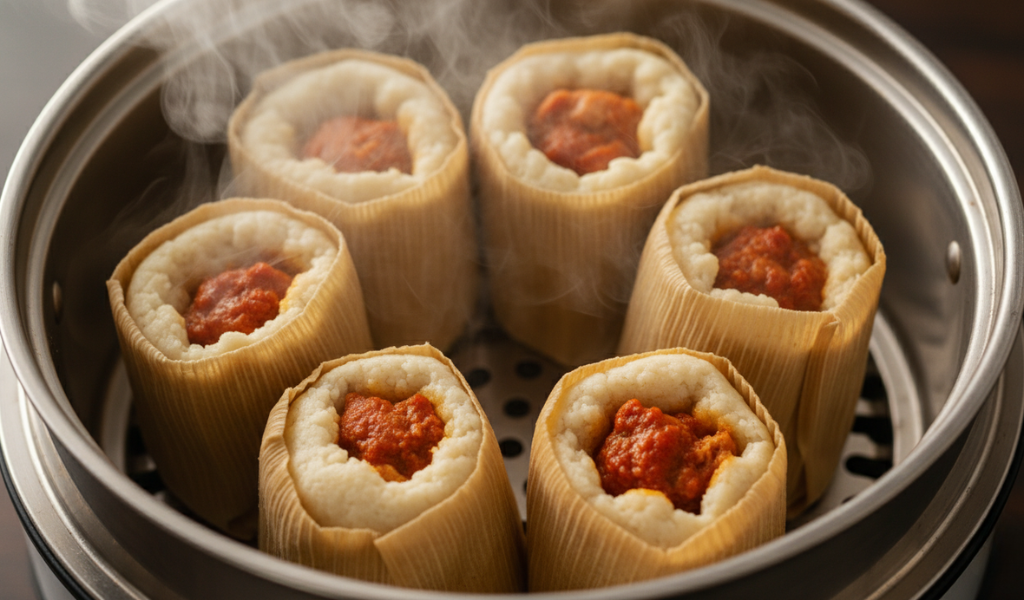
Frozen tamales can be reheated successfully without losing their texture or flavor when the correct heating method is used. Steaming, oven baking, microwaving, and skillet reheating each work differently depending on whether the tamales are fully frozen or thawed first.
This guide explains how to reheat frozen tamales using different kitchen methods, how long each method takes, and how to keep the masa soft while preventing soggy or dry tamales.
Proper reheating helps keep tamales soft, moist, and evenly heated without drying out the masa.When tamales are frozen, the masa traps moisture, but improper heating can cause that moisture to disappear or pool incorrectly.The biggest problem is making sure that those yummy flavors and textures don’t go straight down the drain.
Several reheating methods can help restore tamales while maintaining their original texture and flavor. Whether you use a steamer, oven, air fryer, or microwave , you can achieve that straight-from-the-steamer perfection. Let’s look at the ultimate ways to reheat your favorite Mexican comfort food.
Frozen tamales are best reheated using steam to keep the masa soft and prevent drying out. Most frozen tamales take 20 to 30 minutes to reheat in a steamer, while microwave reheating usually takes 2 to 3 minutes using a damp paper towel to retain moisture. Oven, skillet, air fryer, and Instant Pot methods can also reheat tamales effectively without losing texture or flavor.
To successfully revive frozen tamales, it helps to understand what makes up this traditional dish. A tamale is an intricate balance of corn masa dough and a flavorful filling, all wrapped tightly in a protective corn husk or banana leaf. The wrapper acts as a mini pressure cooker during the initial cooking phase, locking in juices and infusing the masa with earthy notes.
When you freeze them, the moisture inside crystallizes. If you apply dry, harsh heat too quickly, the outer layer of dough will crust over and turn hard before the center even thaws. Conversely, if you drown them in liquid, the delicate masa will dissolve into mush.
Therefore, your primary goal when reheating is to use controlled heat that gently melts the internal ice crystals while providing enough ambient moisture to keep the dough light, soft, and pillowy.
To Thaw or Not to Thaw? Should You Thaw Frozen Tamales Before Reheating?
A very common question home cooks ask is whether they need to transfer their frozen stash to the refrigerator overnight before heating.
The wonderful news is that you can cook tamales straight from the freezer without thawing them first! Most traditional methods, like steaming or oven baking, handle solid frozen food exceptionally well.
However, if you plan to use a quick method like a skillet sear or a standard microwave, letting them thaw in the fridge for a few hours is highly recommended. Thawing ensures that the center gets completely hot without burning the outer edges.
There are many ways to handle this process. While you could use a variety of appliances, using a dedicated steamer is our absolute favorite method for reheating tamales.
When you steam your food, you help it keep its original texture. The active steam rehydrates the corn dough continuously as it brings the core up to temperature. Steaming helps maintain the original texture and moisture of the tamales.
In addition, an electric steamer allows you to cook several pieces at the same time without overcrowding them, meaning dinner can be ready for the family in roughly 30 minutes.
Add water to the reservoir of your electric unit. The exact amount will depend on your specific model, but it is typically around half a cup. Make sure the liquid stays safely below the bottom of the steaming rack. If the water line touches the bases of your tamales, they will absorb too much liquid and become waterlogged and unpleasantly soft.
Turn on your machine and set the power to a stable medium heat. Avoid using a maximum high setting; while it might seem like a time-saver, excessive heat will cause the water reservoir to evaporate too quickly, which can scorch any stray juices that drip down.
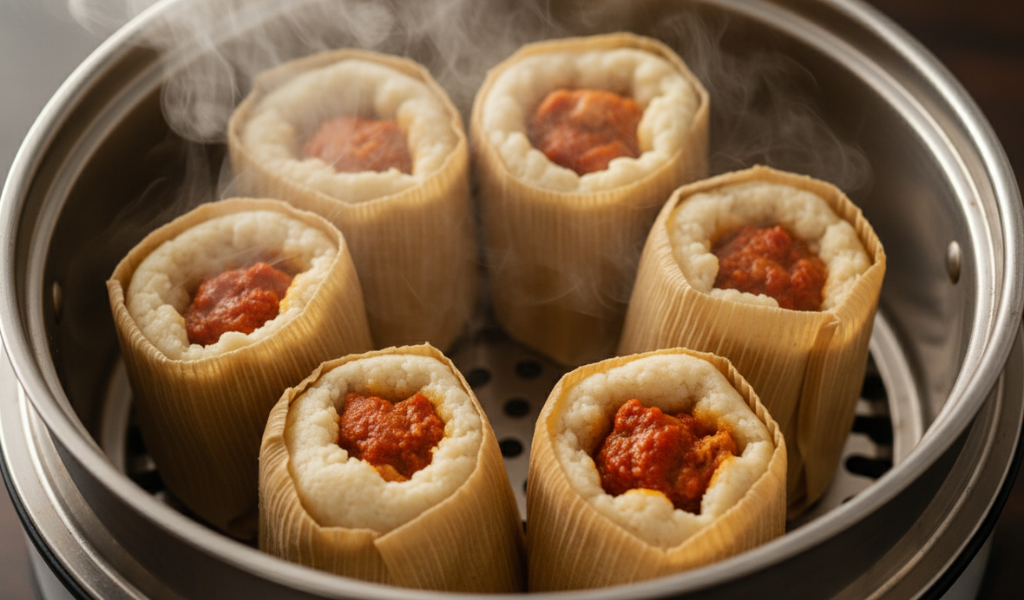
Carefully stand your tamales upright in a single layer inside the basket. Make sure the open ends are pointing toward the ceiling. This clever orientation stops any delicious meat fillings or cheeses from slipping out of the corn husk as things warm up.
Pro Tip: If you are only heating two or three items, they might tumble over. Crumple up a small ball of aluminum foil and place it in the center of the basket, then lean your tamales gently against it to keep them standing tall.
Close the lid securely and set a kitchen timer for 20 minutes. If you are only warming up one or two pieces, they will likely be perfectly hot at this point. If you have filled the basket to capacity, check on them at the 20-minute mark, then continue heating in 5-minute increments until they are thoroughly hot.
Using your kitchen tongs, gently lift an item out of the steamer to prevent burning your fingers. Look closely at the corn husk wrapper. If the wrapper easily pulls away from the masa dough without sticking, it is a clear visual sign that your food is ready to serve.
Don’t have a specialized electric appliance sitting on your kitchen counter? Do not worry at all! You do not need fancy gadgets to achieve great results. You can easily replicate the identical environment using a standard large metal pot that you likely already have in your kitchen cabinet.
Steaming on your stovetop delivers a fantastic outcome. Your dinner will stay completely hydrated, the masa will remain light, and the overall flavor profile will stay completely intact.
Pour your water into the bottom of the stockpot. Double-check that the level sits about an inch below where your metal insert will rest.
Place your food into the steamer basket insert, ensuring they are arranged in a single vertical layer with the open tops facing skyward. Drop the basket down into the pot.
Turn your stovetop burner to high heat until the water reaches a roaring, rolling boil. As soon as you see active steam rising, pop the lid on tightly and drop the burner heat down to a low simmer.
Allow the trapped steam to work its magic for 30 minutes. Keep the lid on tight during this window; lifting the lid lets all the essential heat escape, which stretches out your overall cooking time.
Carefully remove the lid and transfer the tamales using kitchen tongs. Use your long tongs to transfer the hot bundles onto a serving platter.
If you are hosting a festive weekend gathering and need to feed a small army, steaming individual batches can sometimes take too long. This is when your kitchen oven becomes your absolute best friend.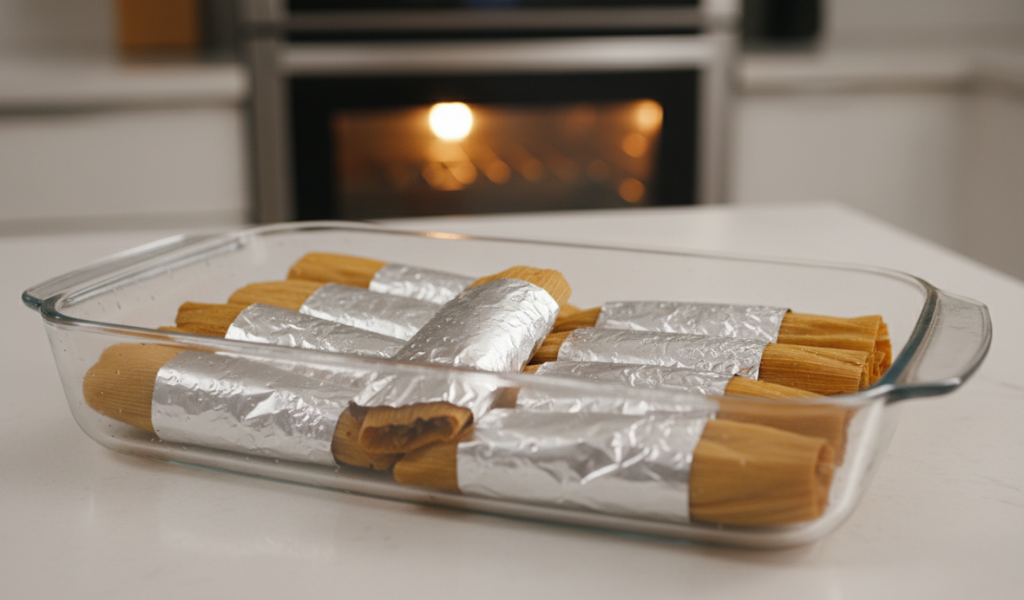
Baking is an incredibly reliable way to heat dozens of items simultaneously. The trick here is creating a sealed pouch environment so the dry heat of the oven doesn’t turn your delicious dinner into stale crackers.
Preheat the Chamber: Turn your oven to 325°F (163°C) and let it warm up fully.
Hydrate the Husks: Take your frozen items out of the freezer. Lightly spritz each corn husk wrapper with a fine mist of clean water using a spray bottle, or wipe them with a damp paper towel. This adds a crucial layer of moisture protection.
Wrap in Foil Shields: Wrap each individual piece snugly in a small square of aluminum foil. If you want to move faster, you can place all of them together into a deep glass baking dish, splash two tablespoons of water into the bottom of the dish, and cover the entire top of the pan tightly with heavy-duty foil.
Bake the Batch: Slide the tray into the center rack of your oven. Let them bake undisturbed for 20 to 25 minutes.
Test the Core: Pull one bundle out, carefully peel back the foil, and check the warmth. If the center still feels slightly cool to the touch, seal it back up and bake for an additional 5 minutes.
For those who love a bit of culinary adventure, reheating your food on a cast-iron skillet or a traditional Mexican ‘comal’ creates a truly unforgettable texture. This method is incredibly popular among street-food enthusiasts because it introduces a delightful contrast: a crispy, golden-brown outer crust while keeping the interior rich, warm, and soft.
For this specific method to work beautifully without burning, it is highly recommended to let your frozen items fully thaw out inside your refrigerator overnight first.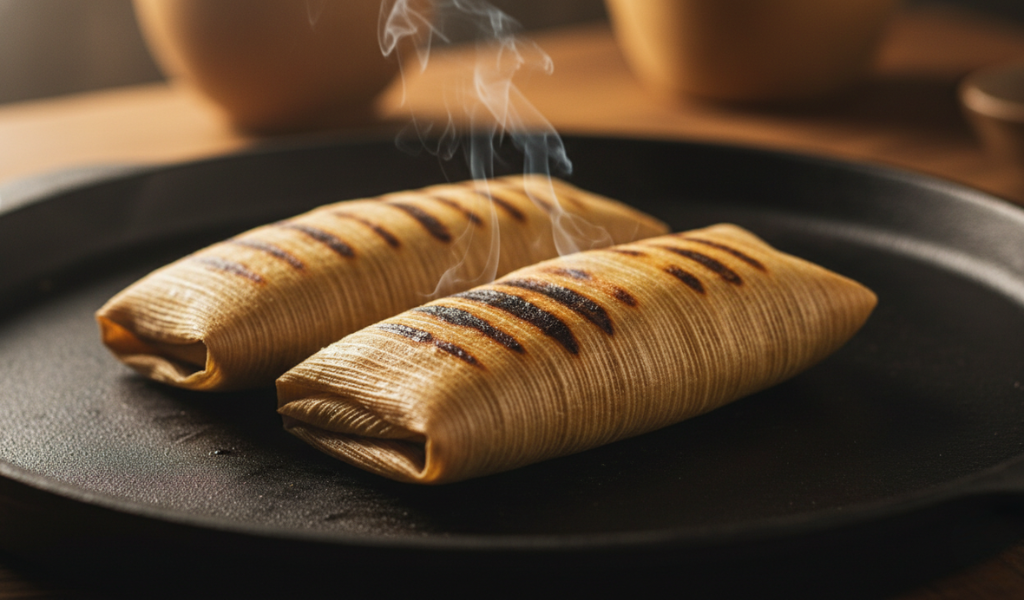
As the corn husk chars gently against the hot iron skillet, it imparts a wonderful, smoky aroma deep into the corn dough. It takes a little bit of active supervision, but the incredible taste pay-off is absolutely worth the minor effort.
Let’s be completely honest: sometimes you come home from a long day at the office, you are absolutely starving, and you simply do not want to wait 30 minutes for a pot of water to boil on the stove. You need food on your plate immediately. Can you use a standard microwave to reheat frozen tamales?
Yes, absolutely! However, if you simply throw a bare, frozen tamale onto a ceramic plate and press start, you will end up with a ruined dinner featuring a rock-hard outer shell and an icy center. You must use a smart hydration trick to shield the delicate dough.
Drench a Paper Towel: Take a full sheet of kitchen paper towel and run it under the kitchen tap. Squeeze out the excess liquid so that it is thoroughly wet but not dripping wet.
Wrap the Bundle: Wrap the wet paper towel completely around your frozen tamale (leave the corn husk on). This wet paper casing acts as a mini steam room inside the microwave chamber.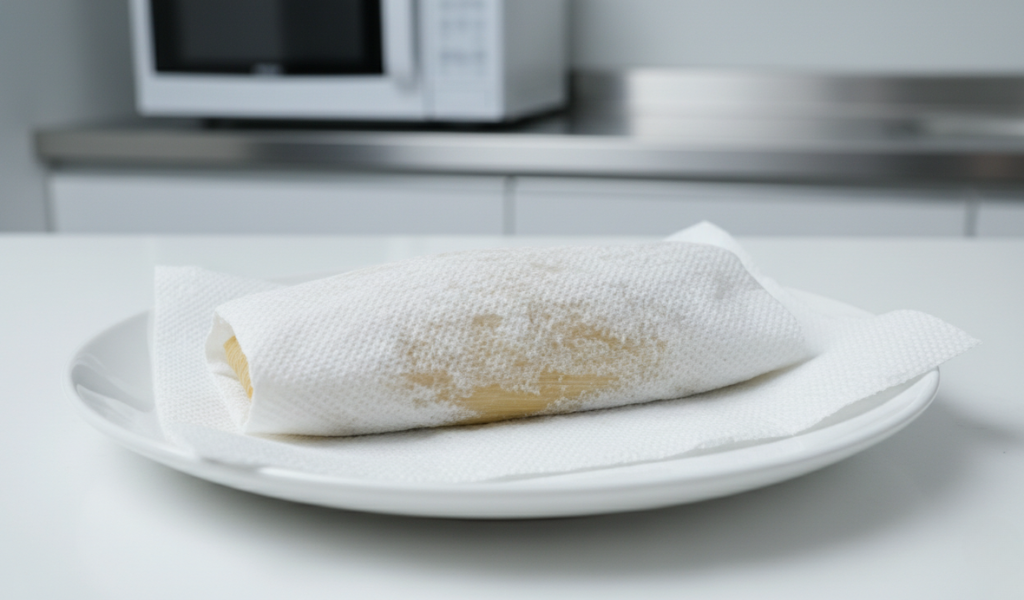
Position on a Plate: Place the wrapped bundle onto a microwave-safe plate, ensuring the open side faces up.
Zap at Half Power: Do not use maximum power. Drop your microwave power setting down to 50 or 60 percent. Nuke the item for 90 seconds, then flip it over carefully using tongs.
Finish the Cook: Cook for another 60 seconds at medium power. Carefully remove the paper towel and let the food rest for one full minute before unwrapping the husk. This rest period allows the internal heat to distribute evenly through the masa.
If your kitchen features modern cooking appliances, you can utilize them to speed up your meal prep while maintaining that classic, authentic texture.
The Instant Pot is essentially a fast-tracked electric stovetop steamer. Drop a metal trivet into the bottom of your inner liner pot and pour in exactly one cup of cold water. Stand your frozen bundles upright on top of the trivet, making sure they don’t drop down into the liquid reservoir.
Secure the plastic lid, turn the pressure valve to the ‘sealing’ position, and select the manual high-pressure setting for 10 minutes. Once the timer chimes, allow the unit to naturally release pressure for 5 minutes before flipping the valve to vent the remaining steam. Your food will turn out unbelievably hot, moist, and tender.
Can you use an air fryer to reheat frozen tamales? Yes, but because an air fryer works by circulating dry, high-velocity hot air, it behaves exactly like a miniature convection oven. To keep things from drying out completely, you must leave the protective corn husks on and wrap each piece securely in a sheet of aluminum foil.
Set your device to 350°F (177°C) and air fry the wrapped bundles for about 15 minutes, flipping them over halfway through the cooking process. If you want a slightly crispy exterior, peel away the foil for the final two minutes of air frying.
No matter which specific kitchen tool you choose to revive your dinner, keeping food safety top-of-mind ensures your family stays completely healthy. Tamales contain dense mixtures of proteins, starches, and moisture, which can become a breeding ground for bacteria if left sitting out on a counter for too long.
Always use a digital meat thermometer to check the very center of your food before serving. The internal temperature needs to hit a minimum of 165°F (74°C) to kill off any unwanted pathogens.
In addition, never leave hot tamales sitting out at room temperature for more than two hours. If you happen to have any leftover pieces that you already reheated once, store them in the fridge and consume them within two days—do not toss them back into the freezer a second time, as this will completely destroy the structural texture of the corn dough.
Once your tamales are beautifully hot and steaming, it is time for the best part: sitting down to eat! To enjoy them like a true expert, follow these simple serving suggestions.
First and foremost, always remember to remove the protective outer corn husks or banana leaves before taking your first bite. The wrappers are fantastic tools for holding the dough together during the cooking and heating process, but they are incredibly tough, fibrous, and completely inedible.
To elevate your plate, garnish your warm tamales with a generous spoonful of homemade salsa verde, fiery red hot sauce, or a rich, complex mole sauce. Adding a dollop of cool Mexican crema or crumbled cotija cheese provides a lovely balance to the warm spice of the meat fillings. Pair your meal with a side of traditional refried beans and classic Mexican red rice for a comforting, authentic dinner experience.
Using the right reheating method helps keep frozen tamales soft, moist, and evenly heated. Steaming is usually the best option for maintaining texture, while oven, microwave, skillet, air fryer, and Instant Pot methods also work well when moisture is properly controlled. Proper reheating prevents dry, rubbery, or soggy tamales and helps preserve their original flavor.
Yes, absolutely! You can wrap them individually in wet kitchen paper towels and microwave them at medium power, bake them inside an oven tray sealed tightly with aluminum foil, or sear them inside a hot cast-iron skillet after they have thawed out.
The most important rule is ensuring that the water line inside your pot stays completely below the bottom of your steamer rack. If the boiling liquid touches the bottom edges of your corn husks directly, the water will pool inside the wrapper and turn your dough into mush.
This happens when the microwave dries out the natural moisture trapped inside the starch. To avoid this, always wrap the frozen item completely in a soaking wet paper towel and reduce your microwave’s power level down to 50 percent to ensure gentle, even heating.
No, it is not necessary at all. You can bake them completely solid straight from the freezer. Just make sure to wrap them tightly in aluminum foil to seal in the steam, and allow them to bake for roughly 20 to 25 minutes at 325°F (163°C).
You can verify this using two easy methods. First, insert a digital food thermometer into the absolute center; it should read at least 165°F (74°C). Second, peel back the corn husk gently; if the wrapper separates cleanly from the smooth masa dough without sticking, it is ready to enjoy.
It is highly recommended to only reheat them once from their frozen state. Reheating them multiple times causes the corn masa to lose its soft structure, making it incredibly dry, crumbly, and unappetizing. Only heat up the exact amount you plan to eat immediately.