Physical Address
304 North Cardinal St.
Dorchester Center, MA 02124
Physical Address
304 North Cardinal St.
Dorchester Center, MA 02124

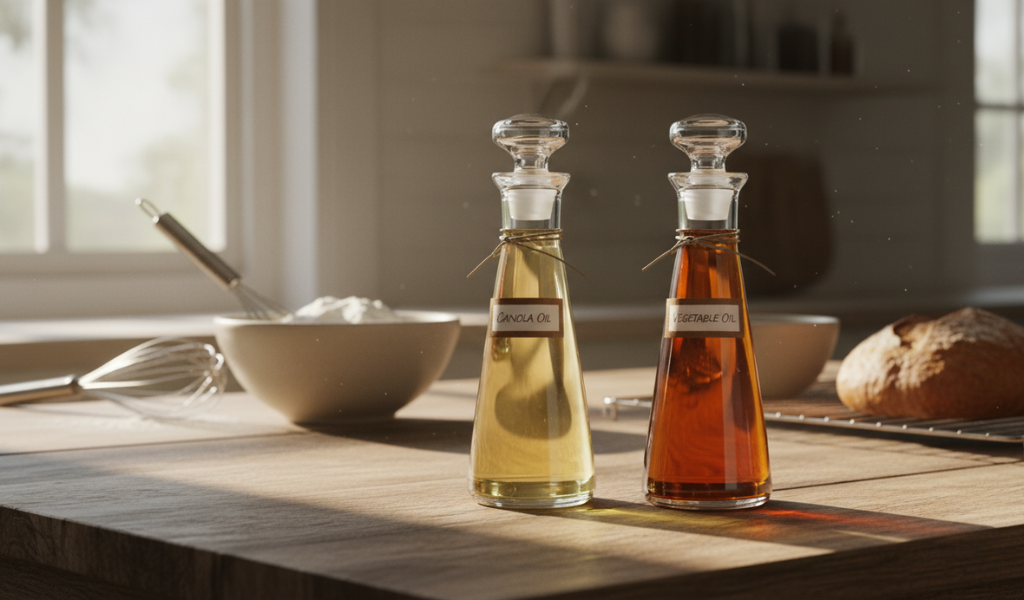
When you stand in the baking aisle of a grocery store, the wall of golden liquids can feel a bit overwhelming. You see bottles labeled simply as vegetable oil, while others specifically call out canola oil. They look nearly identical, they pour the same way, and they often cost about the same. So, when it comes to the great debate of canola oil vs vegetable oil, does it really matter which one you toss into your cart?
The short answer is: yes and no. While they are often used interchangeably in the kitchen, they aren’t exactly the same thing. Understanding the nuances between canola oil and vegetable oil can help you make better choices for your heart health, your budget, and, most importantly, the flavor of your Sunday morning pancakes.
In this guide, we’re going to break down everything you need to know about these kitchen staples—from where they come from to which one handles the heat of a deep fryer better.
Canola Oil vs Vegetable Oil: Which Is Better?
Canola oil is usually healthier than vegetable oil because it contains less saturated fat and more omega-3 fats. Vegetable oil is often better for deep frying because many blends handle high heat well. For baking and everyday cooking, both oils work well.
To understand the canola oil vs vegetable oil comparison, we first have to define what vegetable oil actually is. Think of the term “vegetable oil” as an umbrella. It’s a general label used for oils extracted from seeds, grains, or fruits.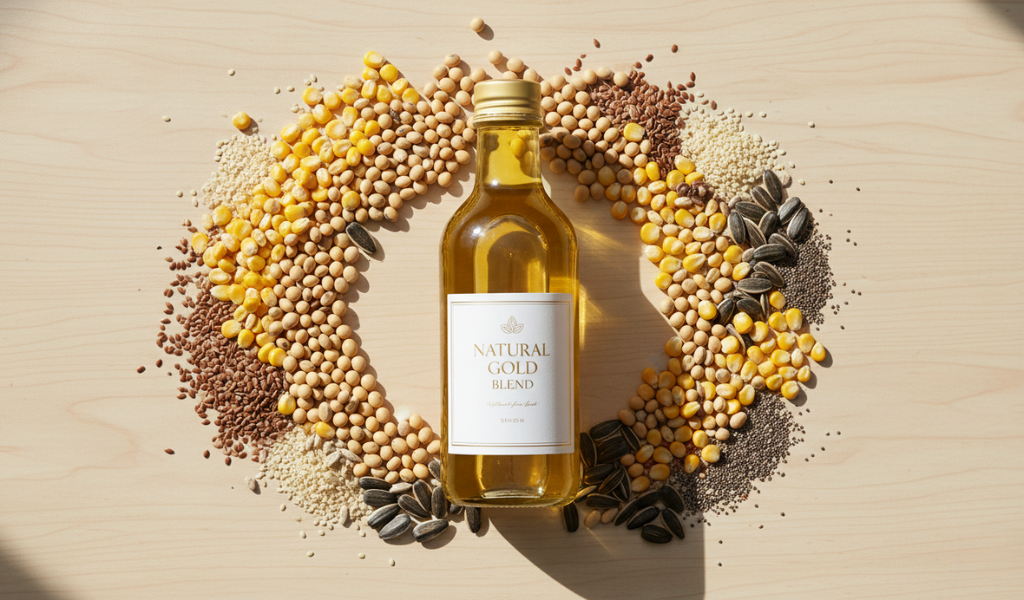
When you buy a bottle labeled “Vegetable Oil,” it is usually a blend. Most often, the primary ingredient is soybean oil, but it can also contain corn, sunflower, safflower, or cottonseed oils. Because it is a mixture, the exact makeup can change from brand to brand.
This blend is designed to be highly versatile. It has a neutral flavor and a relatively high smoke point, making it a “workhorse” in the kitchen. However, because it’s a blend, the flavor can sometimes be slightly more “oily” or heavy compared to single-source oils.
While all canola oil is technically a vegetable oil, not all vegetable oil is canola. Canola oil comes from a single source: the seeds of the canola plant.
There is a bit of a myth that canola is just “rapeseed oil” by another name. While they are related, they aren’t the same. In the 1960s, Canadian scientists used traditional plant breeding to create the canola plant from the rapeseed plant. They did this to significantly reduce the levels of erucic acid, which is found in high amounts in wild rapeseed and is linked to heart health issues.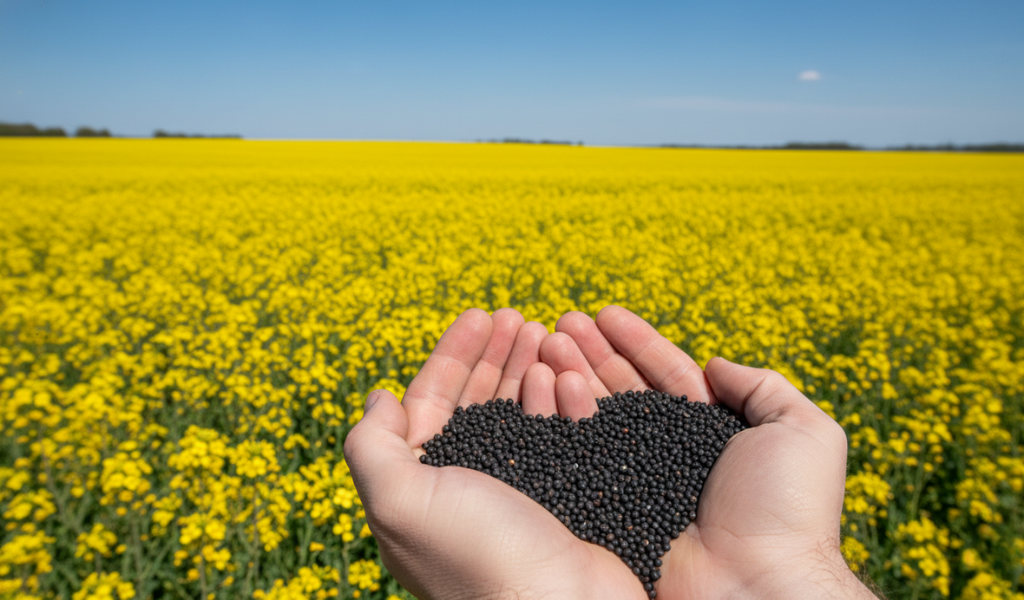
For a plant to be legally called “canola,” it must contain less than 2% erucic acid. The name itself actually stands for “Canadian Oil, Low Acid.” Today, it is prized for being one of the ”healthiest cooking oils” available due to its low saturated fat content.
If you put two bowls of these oils side-by-side, you might notice that vegetable oil often has a slightly darker, more golden hue, whereas canola oil is typically pale yellow.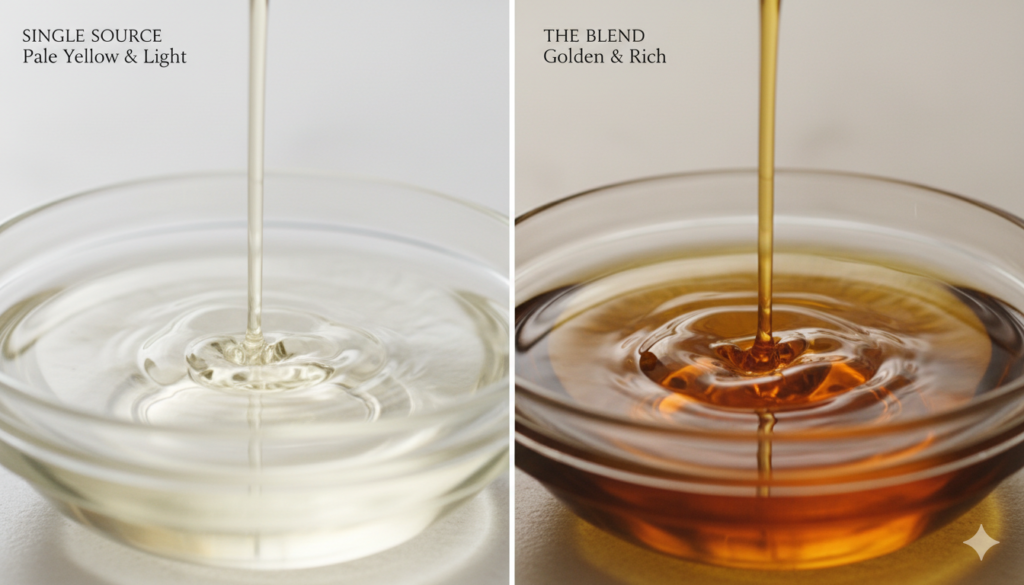
Here is a quick breakdown of how they stack up:
| Feature | Canola Oil | Vegetable Oil (Generic) |
| Source | Canola plant seeds | Blend (Soy, Corn, etc.) |
| Flavor | Very neutral/Mild | Mostly neutral (may vary) |
| Saturated Fat | Very Low | Higher (depending on blend) |
| Omega-3s | High | Low to Moderate |
| Best Use | Dressings, Sautéing, Baking | Frying, Searing, General Use |
One major thing to keep in mind is consistency. When you use canola oil, you know exactly what you’re getting every time. With generic vegetable oil, the flavor might shift slightly depending on whether the manufacturer used more corn oil or soybean oil in that particular batch.
One of the most important factors in the canola oil vs vegetable oil debate is the smoke point. The smoke point is the temperature at which an oil starts to burn and smoke. Not only does this smell terrible, but it also breaks down the oil, releasing harmful free radicals and giving your food a bitter, burnt taste.
If you are doing a quick stir-fry or sautéing some chicken breasts, both oils perform beautifully. However, can you microwave both oil? Yes, but with caution and if you are deep-frying or cooking something at a very high temperature for a long time, vegetable oil (especially blends high in soybean oil) can be slightly more stable.
Interestingly, while canola oil is healthy, those “good fats” (like Omega-3s) are more sensitive to heat. If you keep canola oil at high heat for too long, those nutrients begin to degrade. For long-term frying, a standard vegetable oil or a dedicated frying oil like peanut oil might be a better choice.
When we talk about canola oil and vegetable oil in terms of health, we look at the types of fat they contain.
That said, many people prefer vegetable oil because it feels more “natural” to them, even though both oils undergo significant processing to reach that clear, shelf-stable state you see in the store.
Can you swap one for the other? In 95% of cases, the answer is a resounding yes.
If a recipe for fudgy brownies calls for a cup of vegetable oil and you only have canola, don’t panic. Go ahead and use it. Because both have a neutral profile, they won’t interfere with the chocolatey goodness. In fact, many bakers prefer canola oil for delicate cakes because it is so light that it lets the vanilla or lemon flavors shine through without any “heavy” oily aftertaste.
For deep-frying, check the label of your vegetable oil. If it contains a lot of soybean oil, it will likely hold up well. If you choose to use canola oil and vegetable oil mixed together, that’s fine too! Just be sure to use a kitchen thermometer. You want to stay around 350°F to 375°F for the best crispy results without reaching the smoke point.
This is where you might notice a difference. Since the oil isn’t being heated, you will taste it more directly.
No matter which side you take in the canola oil vs vegetable oil choice, how you store them matters. Oils are sensitive to three things: Heat, Light, and Oxygen.
At the end of the day, the canola oil vs vegetable oil choice usually comes down to your personal health goals and what’s on sale.
If you want the absolute lowest saturated fat and a boost of Omega-3s, reach for the canola oil. It’s a single-source oil that is reliable and light. If you are planning a big deep-fry session and want an affordable, high-heat option, a generic vegetable oil blend is a fantastic, versatile choice.
Both deserve a spot in your pantry. Just remember to keep them cool, keep them dark, and don’t let them smoke!
Yes! They are 1:1 substitutes in baking. Your cake will turn out just as moist and fluffy with canola oil as it would with vegetable oil.
Often, yes. In the United States, most bottles labeled “Vegetable Oil” are 100% soybean oil or a blend where soybean is the first ingredient. Check the back label to be sure.
Both oils contain about 120 calories per tablespoon. While canola oil is “heart-healthier” due to its fat profile, neither is a “low-calorie” food. Moderation is key for weight management.
This sometimes happens with canola oil because of its high Omega-3 content. If the oil is slightly old or if it’s heated too quickly, those fatty acids can release a faint fishy odor. Using fresh oil usually prevents this.
Both can be used, but since they have moderate smoke points, they are better for “maintenance” seasoning. For a heavy, initial seasoning, many experts prefer oils with even higher smoke points, like grapeseed or avocado oil.
There is a lot of debate on this online. While some argue that highly processed seed oils can be inflammatory, most major health organizations (like the AHA) still recommend canola oil as a ”heart-healthy alternative” to butter and lard because it lowers LDL (bad) cholesterol.