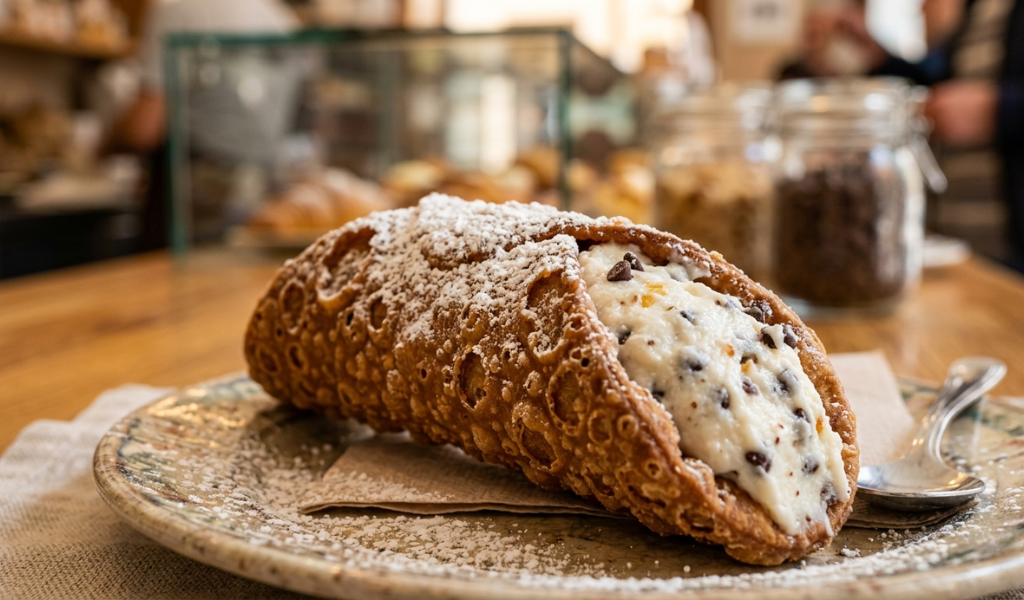
Do cannoli need to be refrigerated? The sweet mystery of keeping these Italian delights fresh might surprise you. Imagine indulging in a perfectly crispy shell filled with creamy goodness—now, picture knowing the secret to keeping that heavenly taste intact. Whether your cannoli stash is in the fridge or on the countertop, the answer lies in this quick guide.
We’ll uncover the storage hacks and spill the beans on how to preserve these treats just right. Buckle up for a tasty journey into the world of cannoli care-no boring, lengthy explanations here. Let’s dive in and crack the code to storing cannolis like a pro!
Main Summary: Do Cannolis Need to Be Refrigerated?
Cannolis should be refrigerated if not consumed within two hours to prevent spoilage. The filling, often made with ricotta cheese, can spoil at room temperature. Refrigeration preserves freshness and prevents bacterial growth. Store them in an airtight container to maintain texture and flavor.
Definition and Ingredients of Cannolis
Cannolis, the iconic Italian pastries, are beloved for their delightful taste and unique construction. These delectable treats consist of a crispy, tube-shaped shell filled with a rich, creamy filling. Originating from Sicily, cannolis have transcended borders to become a globally cherished dessert.
Defining Cannolis
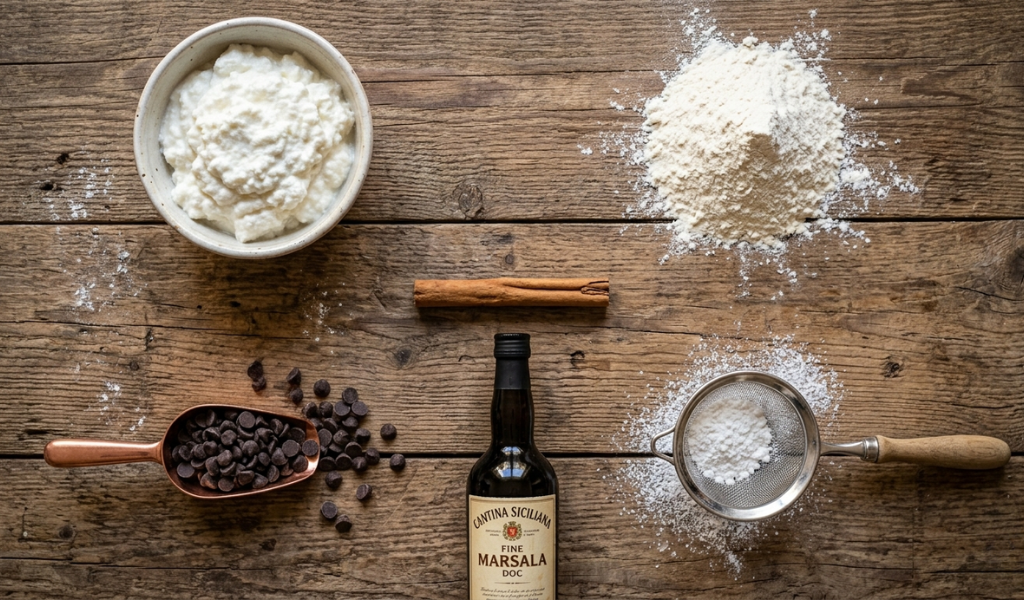
At its core, a cannoli is a pastry with two main components: the shell and the filling. The shell, often made from a dough that combines flour, sugar, butter, and sometimes wine or vinegar, is rolled thinly, then fried or baked to achieve its signature crispiness. Once cooled, the shell is filled with a luscious, sweetened mixture, traditionally using ricotta cheese as its base, combined with sugar, vanilla, and sometimes chocolate chips, candied fruit, or nuts.
Ingredients of Cannolis
Shell Ingredients
- Flour: Typically all-purpose flour is used in varying quantities, ensuring the dough’s texture and consistency.
- Sugar: Granulated sugar adds sweetness to the shell, complementing the flavorful filling.
- Butter: Unsalted butter, when incorporated into the dough, contributes to its richness.
- Wine or Vinegar: Some recipes may include a small amount of white wine or vinegar, which aids in texture and flavor development.
- Oil for frying: When frying the shells, vegetable or canola oil is commonly used.
Filling Ingredients
- Ricotta Cheese: The primary component of the filling, ricotta provides a creamy and slightly tangy base.
- Powdered Sugar: Sweetness is enhanced with the addition of powdered sugar, balancing the ricotta’s flavor.
- Vanilla Extract: A touch of vanilla extract adds depth and aroma to the filling.
- Optional Additions: Variations may include chocolate chips, candied citrus peel, chopped nuts, or other flavorings, enhancing the filling’s diversity.
Crafting the Perfect Cannoli
- The process of creating cannolis is a meticulous art. After preparing the dough, it’s rolled into thin sheets, cut into rounds, and wrapped around metal or wooden cylinders. These cylinders are then deep-fried until golden and crispy. Once cooled, the shells are filled with the creamy ricotta-based mixture using a pastry bag, ensuring a generous and satisfying filling-to-shell ratio.
Cannolis epitomize the harmonious blend of textures and flavors-a crispy shell embracing a velvety, indulgent filling. The combination of these simple yet premium ingredients, carefully assembled and artfully presented, makes cannolis an irresistible dessert cherished worldwide. Whether enjoyed plain or adorned with various toppings, the beauty of cannolis lies in their exquisite simplicity and the skillful balance of ingredients that create an unparalleled taste sensation.
Importance of Proper Storage for Maintaining Freshness
Preserving the freshness of cannolis goes beyond mere taste; it’s a delicate art that ensures the integrity of these beloved Italian pastries. Proper storage methods are paramount in maintaining their texture, taste, and overall quality, ensuring enthusiasts savor the true essence of this delightful dessert.
Retaining Texture and Taste
At the heart of a perfect cannoli experience lies its impeccable texture—a delicate, crispy shell encapsulating a luxurious, flavorful filling. The balance between the shell’s crispness and the filling’s creaminess defines the essence of a well-prepared cannoli. Improper storage conditions can swiftly compromise this delicate equilibrium, resulting in a loss of texture and taste.
Combatting Detrimental Elements
Moisture stands as the primary adversary to cannoli freshness. It infiltrates the delicate pastry shell, softening its crunchiness and altering the texture. Moreover, temperature fluctuations, especially transitioning between refrigerated and room conditions, can induce condensation, accelerating staleness and affecting the filling’s consistency and flavor.
Do Cannolis Need to Be Refrigerated? Understanding Proper Refrigeration Methods
The question of whether cannolis should be refrigerated often perplexes dessert enthusiasts. Properly storing cannolis is essential to maintain their delightful texture and taste. Let’s delve into step-by-step instructions on refrigerating cannolis to ensure their freshness and prolong their shelf life.
The Refrigeration Dilemma: Addressing Cannoli Storage
Cannolis, characterized by their delicate pastry shell and creamy filling, require careful preservation. While there’s debate on the best storage method, refrigeration is often favored for maintaining cannolis’ freshness over an extended period. Refrigeration helps slow down moisture absorption, preserving the shell’s crispness and the filling’s quality.
Step-by-Step Guide to Refrigerating Cannolis
- Cooling Process: Allow freshly made cannolis to cool completely at room temperature before refrigeration. Placing warm cannolis directly in the fridge can induce condensation, compromising their texture.
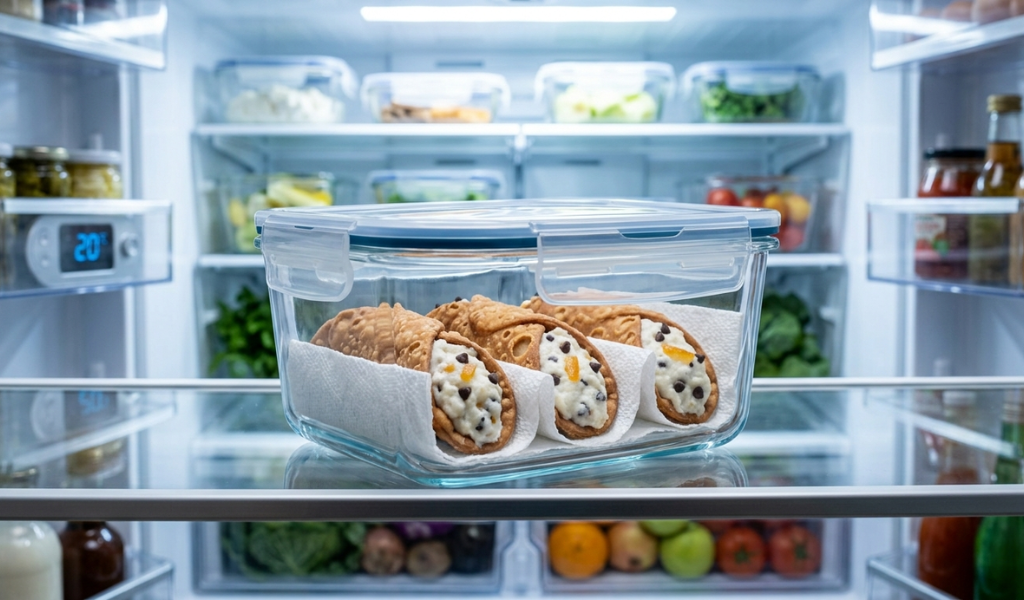
- Airtight Container: Place the cannolis in an airtight container. If using multiple layers, separate each layer with parchment paper to prevent sticking and maintain the shells’ integrity.
- Moisture Prevention: To absorb excess moisture and preserve the shell’s crispness, line the container with a layer of paper towels. Ensure the cannolis are not in direct contact with the paper towels.
- Storage Duration: Consume refrigerated cannolis within a reasonable timeframe. While refrigeration extends their freshness, cannolis are best enjoyed within a few days to a week for optimal taste and texture.
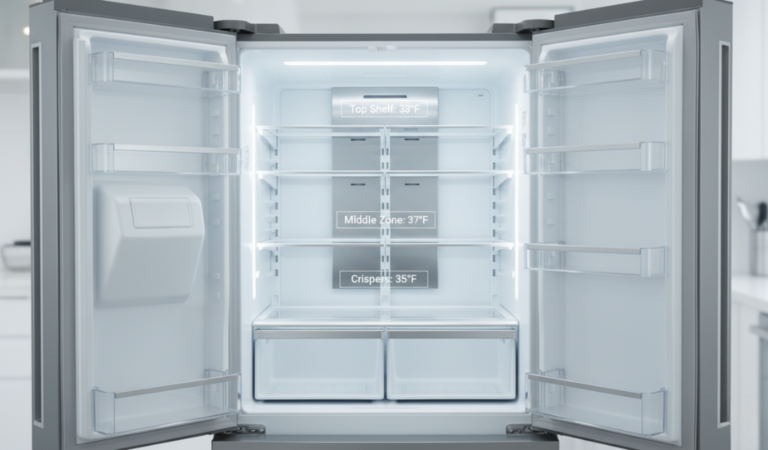
- Consistent Temperature: Maintain a consistent refrigerator temperature to avoid temperature fluctuations that could compromise the cannolis’ quality.
Addressing Room Temperature Storage
While refrigeration is a popular choice, room temperature storage can be suitable for short-term preservation, especially when planning to consume cannolis promptly. When opting for room temperature storage:
- Airtight Containers: Place the cannolis in an airtight container to shield them from exposure to air and maintain their texture.
- Avoiding Moisture: Prevent moisture exposure by storing cannolis away from humid areas or sources of condensation.
- Time Sensitivity: Consume room temperature-stored cannolis within a short window to ensure freshness and prevent staleness.
While refrigeration is a recommended method for extending cannolis’ shelf life, room temperature storage can suffice for immediate consumption. Understanding the delicate nature of cannolis and employing proper storage techniques are pivotal in preserving their delightful taste and texture.
Identifying Signs of Cannoli Spoilage: A Guide to Freshness
Recognizing the signs of cannoli spoilage is crucial to ensure their quality and safe consumption. Understanding these indicators empowers enthusiasts to distinguish between fresh cannolis and those past their prime.
Visual and Sensory Clues
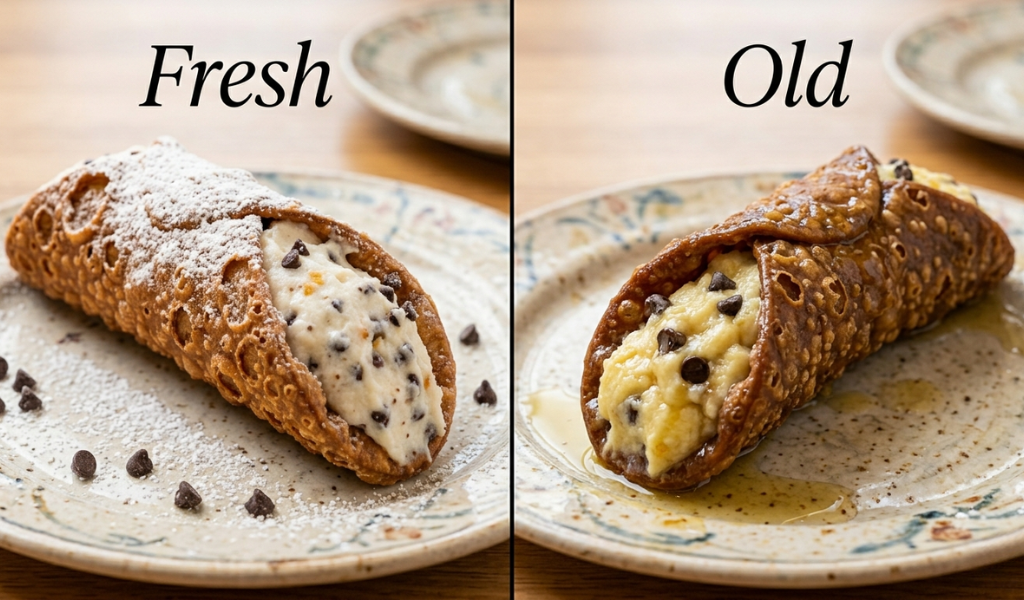
- Mold Growth: Mold growth on cannolis, particularly on the shell or around the filling, is a clear sign of spoilage. Any visible mold indicates that the cannoli should be discarded immediately.
- Texture Changes: The shell’s texture is a primary indicator. If the shell appears excessively soggy, soft, or has lost its crispness, it may have gone bad. Filling texture alterations, such as separation, curdling, or a gritty consistency, suggest spoilage or deterioration.
Aroma and Taste Evaluation
- Off-putting Odors: A noticeable sour or rancid odor emanating from the cannoli indicates spoilage. Unpleasant or off-putting smells suggest it’s no longer safe to consume.
- Unpleasant Taste: Taste plays a vital role. If the cannoli tastes sour, off, or exhibits an unusual flavor not consistent with its usual profile, it’s best to refrain from consuming it.
Shelf Life Considerations
Understanding the shelf life of cannolis aids in determining their freshness:
- Freshness Duration: Homemade cannolis, devoid of preservatives, typically maintain their quality for a shorter period compared to commercially produced ones. Store-bought cannolis often have a longer shelf life due to preservatives but should still be consumed within the recommended timeframe for optimal taste and safety.
- Storage Impact: Storage conditions significantly impact shelf life. Refrigerated cannolis generally last longer, whereas those stored at room temperature have a shorter window of freshness.
By observing visual cues like mold growth, changes in texture, and assessing aroma and taste, enthusiasts can confidently determine the freshness of cannolis. Understanding these signs helps prevent consuming spoiled pastries, ensuring a delightful and safe culinary experience.
Exploring Cannoli Storage Methods: Advantages and Disadvantages
Selecting the right storage method significantly influences the taste, texture, and overall quality of cannolis. Understanding the advantages and disadvantages of various storage approaches empowers enthusiasts to make informed decisions in preserving these beloved Italian pastries.
Refrigeration: Pros and Cons
Advantages
- Extended Freshness: Refrigeration notably extends the shelf life of cannolis. Storing them in airtight containers slows moisture absorption, preserving their crispness and taste for a more extended period.
- Temperature Control: Consistent refrigerator temperatures aid in maintaining cannolis’ texture, preventing rapid degradation caused by temperature fluctuations.
- Safety Assurance: Refrigeration minimizes the risk of spoilage and bacterial growth, ensuring safer consumption.
Disadvantages
- Texture Alteration: Prolonged refrigeration might affect the shell’s texture, causing it to lose some crispness and become slightly softer.
- Condensation Concerns: If not properly stored in a sealed container, refrigeration can lead to moisture buildup, potentially affecting the cannoli’s integrity and texture.
Room Temperature Storage: Pros and Cons
Advantages
- Immediate Consumption: Storing cannolis at room temperature allows for immediate consumption without the need for reheating, preserving their original texture and taste.
- Convenience: Cannolis stored at room temperature are easily accessible, eliminating the need for refrigeration preparation.
Disadvantages
- Shortened Freshness: Cannolis stored at room temperature have a shorter shelf life compared to refrigerated ones. They are best consumed within a day or two to maintain optimal taste and texture.
- Susceptibility to Spoilage: Exposure to room temperature increases the likelihood of quicker spoilage, especially in warm or humid environments, risking textural changes and potential bacterial growth.
Freeze Storage: Pros and Cons
Advantages
- Extended Preservation: Freezing cannolis can significantly prolong their shelf life, maintaining their quality for several weeks or even months.
- Ease of Preparation: Frozen cannolis can be thawed and refreshed in an oven, regaining some of their original texture and taste, making them convenient for later consumption.
Disadvantages
- Texture Compromise: Freezing can alter the texture of cannolis, causing the shell and filling to lose some of their original consistency and becoming slightly mushy upon thawing.
- Moisture Issues: Improperly sealed containers can lead to freezer burn or moisture buildup, affecting the cannoli’s quality and taste.
Each storage method offers distinct advantages and drawbacks. Refrigeration provides extended freshness but may slightly alter texture, while room temperature storage allows immediate consumption but shortens shelf life. Freezing preserves cannolis for an extended period but may compromise texture upon thawing.
Ensuring Safety and Exploring Alternative Cannoli Storage Techniques
Safety precautions and alternative storage methods play a crucial role in preserving the quality and taste of cannolis. Understanding these measures empowers enthusiasts to safeguard these Italian pastries while exploring innovative storage options beyond conventional methods.
Safety Precautions in Cannoli Storage
- Hygiene Practices: Prioritize hygiene when handling cannolis. Ensure clean hands and utensils to prevent contamination and bacterial growth.
- Storage Containers: Opt for airtight containers or resealable bags designed for food storage to minimize exposure to air and moisture, preserving cannolis’ freshness.
- Temperature Monitoring: Regularly monitor refrigerator or room temperature settings to maintain a consistent environment and prevent temperature fluctuations that could compromise cannolis’ quality.
- Expiration Monitoring: Label and monitor expiration dates or storage durations to ensure cannolis are consumed within recommended timeframes for optimal taste and safety.
Alternative Storage Techniques
- Vacuum Sealing: Vacuum sealing cannolis removes air from the storage bag, reducing oxidation and minimizing moisture exposure, thereby extending their shelf life.
- Desiccants or Silica Gel Packs: Placing desiccants or silica gel packs in storage containers absorbs excess moisture, preserving cannolis’ crispness and preventing texture degradation.
- Wax Paper or Parchment Layers: Separating cannolis with wax paper or parchment layers within storage containers prevents them from sticking together, preserving their individual integrity.
- Refrigerator Drawer or Crisper: Utilizing refrigerator drawers or crispers with adjustable humidity settings can maintain the ideal storage conditions for cannolis, preserving their freshness.
- Specialized Storage Containers: Consider specialized storage containers designed to regulate airflow and moisture levels, providing an optimal environment for preserving delicate pastries like cannolis.
Precautions with Alternative Methods
- Avoid Overpacking: While using alternative storage techniques, avoid overcrowding cannolis in containers to prevent excessive pressure and potential damage to the delicate pastries.
- Regular Inspection: Periodically inspect cannolis stored using alternative methods for any signs of spoilage, ensuring they remain safe for consumption.
- Temperature Control in Innovative Storage: Ensure temperature control when exploring innovative storage methods to prevent inadvertent alterations in cannolis’ texture or taste.
Implementing safety precautions and exploring alternative storage methods cater to individual preferences and circumstances, offering options beyond traditional storage techniques.
By adhering to safety measures and customizing storage techniques, enthusiasts can preserve cannolis’ quality, taste, and texture, ensuring a delightful culinary experience with each indulgent bite. These innovative approaches provide flexibility while maintaining the essence of these beloved Italian delicacies.
Final Word
In the debate over refrigerating cannolis, the answer lies in balance. Refrigeration extends shelf life but might alter texture. Room temperature allows immediate enjoyment but shortens freshness. Ultimately, the choice hinges on consumption timelines and preferences.
Prioritize proper storage methods-whether refrigeration, room temperature, or innovative techniques—to ensure each cannoli savored embodies its authentic taste and texture. Understanding these options empowers enthusiasts to savor the essence of cannolis at their peak, fostering an enjoyable culinary experience.
Frequently Asked Questions
How long can cannolis be left unrefrigerated?
Cannolis are safe to remain unrefrigerated for approximately two hours at room temperature. Beyond this time frame, the risk of spoilage increases due to the dairy content in the filling. To maintain their quality, it’s advisable to refrigerate cannolis after this period.
Do filled cannolis need to be refrigerated?
Yes, filled cannolis should be refrigerated to maintain their freshness. The filling, typically comprising dairy products like ricotta or cream, is prone to spoilage at room temperature. Refrigeration slows bacterial growth, preserving the cannoli’s taste and texture.
Do cannolis need to be refrigerated overnight?
For optimal freshness, refrigerating cannolis overnight is recommended. Overnight refrigeration helps preserve the delicate balance of the crispy shell and creamy filling. Placing them in an airtight container prevents moisture absorption, ensuring they retain their quality.
How long do cannolis need to be refrigerated?
Cannolis can maintain their quality when refrigerated for about three to four days. Stored properly in an airtight container, they retain their taste and texture within this time frame. Beyond this duration, their quality might diminish.
Do cannolis need to be refrigerated in the fridge?
Yes, refrigerating cannolis in the fridge is crucial for preserving their quality. Storing them in an airtight container or sealed bag helps prevent moisture absorption, maintaining their crispness and flavor.
Do cannolis need to be refrigerated at room temperature?
Cannolis can be kept at room temperature for immediate consumption within a short period, typically within two hours. However, to extend their freshness and prevent spoilage, refrigeration is recommended for longer-term storage.

 Do cannoli need to be refrigerated? The sweet mystery of keeping these Italian delights fresh might surprise you. Imagine indulging in a perfectly crispy shell filled with creamy goodness—now, picture knowing the secret to keeping that heavenly taste intact. Whether your cannoli stash is in the fridge or on the countertop, the answer lies in this quick guide.