Physical Address
304 North Cardinal St.
Dorchester Center, MA 02124
Physical Address
304 North Cardinal St.
Dorchester Center, MA 02124

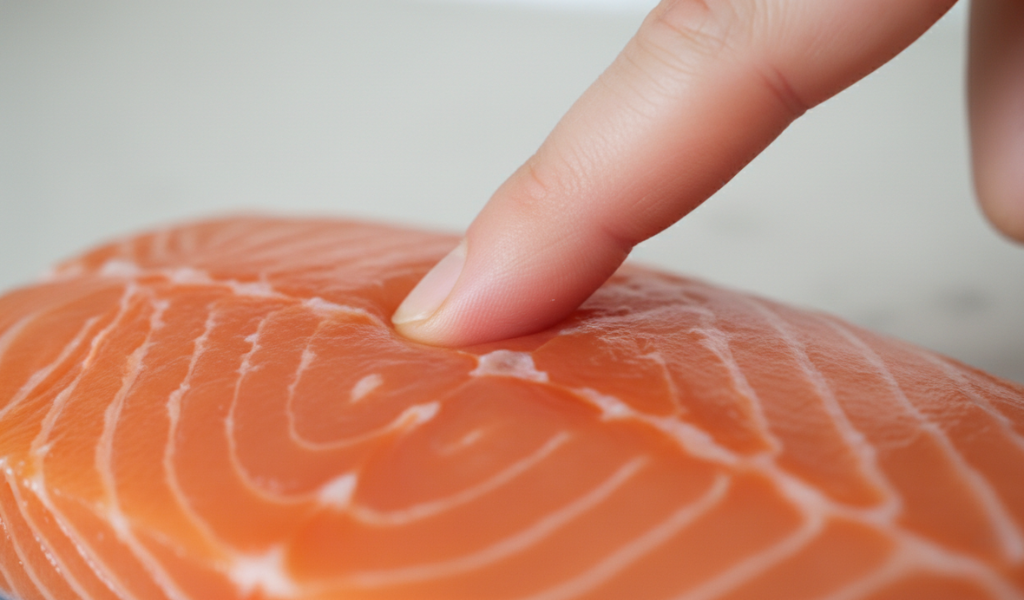
There is nothing quite like the taste of a perfectly seared piece of salmon or a delicate, flaky white fish. However, we have all been there: you visit the market on a Saturday with grand plans for a seafood feast, but life gets in the way. Suddenly, it’s Sunday night, and you’re staring at that paper-wrapped parcel in your fridge, wondering if it’s still safe to eat. Knowing how to store fish in the refrigerator is the difference between a gourmet meal and a disappointing, smelly kitchen.
If you want to maintain that “just-caught” quality, simply tossing the bag onto a middle shelf isn’t going to cut it. In this comprehensive guide, we will dive deep into the best practices for how to store fish at home, ensuring your seafood stays pristine, delicious, and safe for days. This is why learning how to store fish in the refrigerator properly is so important.
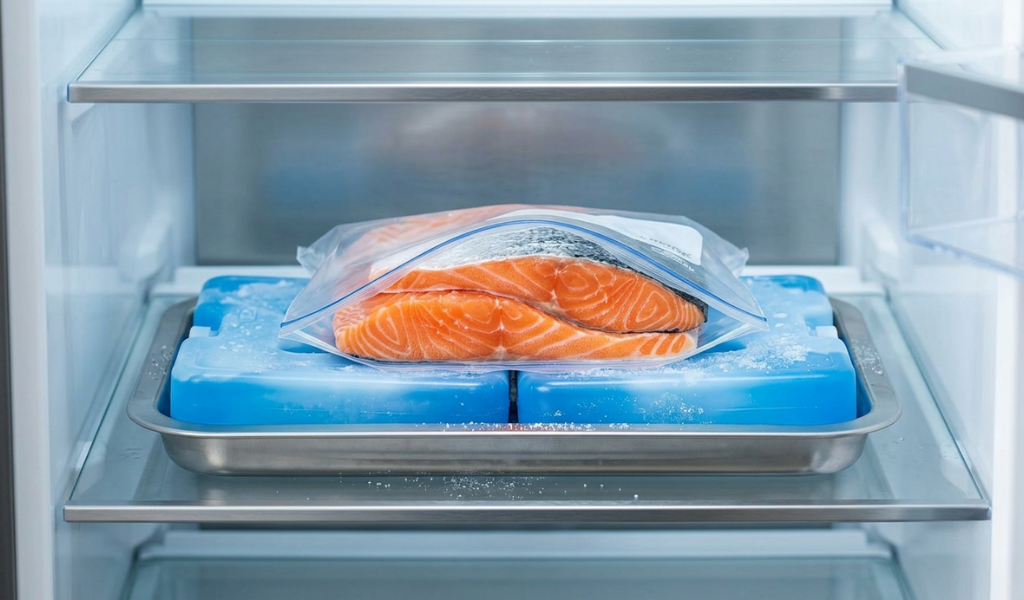
To store fish in the refrigerator, rinse and pat it dry, place it in an airtight bag, keep it on a tray of ice on the bottom shelf, and maintain a temperature close to 32°F (0°C) for maximum freshness.
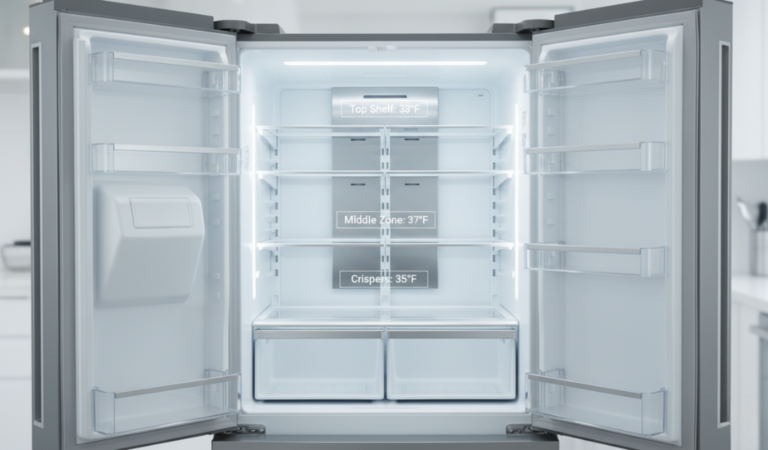
Fish is one of the most perishable proteins you can buy. Unlike beef or poultry, which can sit comfortably at standard refrigerator temperatures for a few days, fish begins to degrade the moment it leaves the water. Most home refrigerators are set to about 38°F (3°C). While this is safe for milk and eggs, it is actually a bit too warm for raw seafood.
When you learn how to store fish correctly, you are essentially trying to mimic the environment of a professional fishmonger’s display: a consistent, icy chill that hovers right at the freezing point. Proper storage preserves the texture, prevents the development of “fishy” odors, and ensures that your ceviche or pan-seared trout tastes exactly as it should. This is exactly why knowing how to store fish in the refrigerator correctly can make a huge difference in both taste and safety.
To understand how to store fish at home, we have to look at the enemies of freshness: bacteria, enzymes, and moisture.
Before we talk about the refrigerator setup, we need to handle the fish properly the moment you get it home.
Cross-contamination is a silent killer of freshness. Ensure your cutting board and hands are thoroughly washed before touching the raw fish.
Many people skip this, but it’s vital. Give your fillets a quick rinse under cold, running water to remove any loose scales or surface debris. However, the most important part is the drying. Use heavy-duty paper towels to pat the fish until it is completely dry. Remember: moisture is the enemy.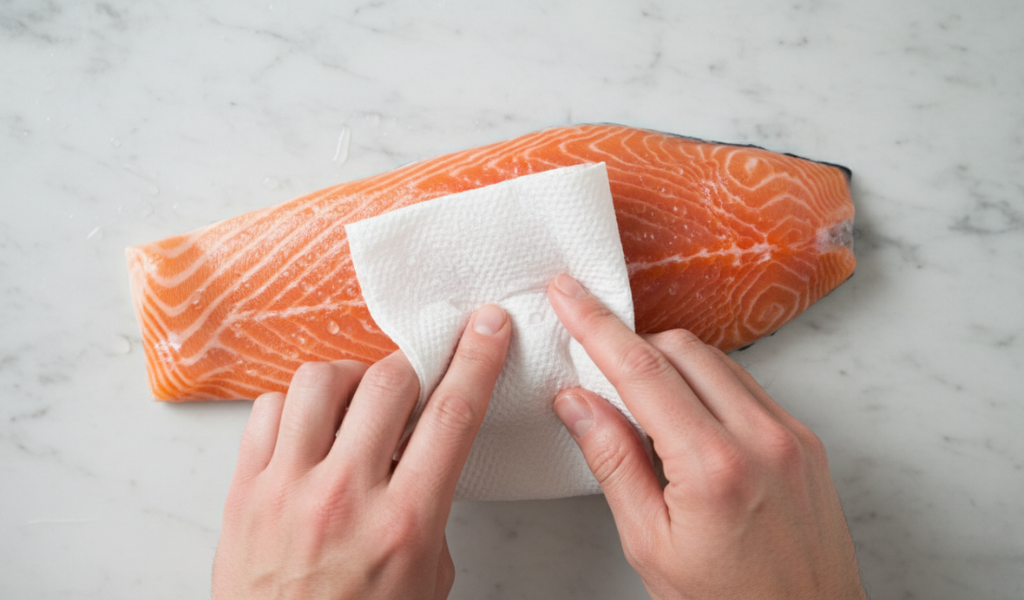
Never stack fillets on top of each other. When they touch, moisture gets trapped between the layers, creating a warm pocket where bacteria can thrive. Always store them in a single layer.
If you want to keep fish fresh for more than 24 hours, you need to lower the temperature from the standard 38°F to a steady 32°F (0°C). Here is the “Gold Standard” method for how to store fish in the refrigerator.
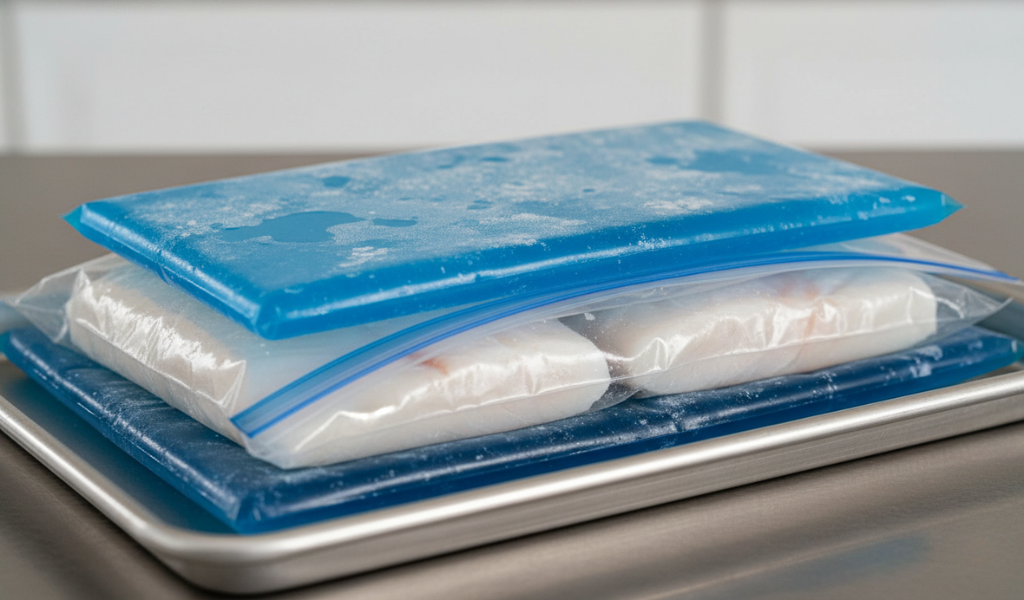
Pro Tip: If you use crushed ice, make sure the tray has a way to drain or that the bag is perfectly sealed. You don’t want the fish “swimming” in melted ice water!
Sometimes you don’t have a bag of crushed ice handy. If you are planning to cook the fish within 12 to 18 hours, you can use a slightly simpler setup.
Aluminum is an incredible conductor of heat. If you place a clean aluminum tray in the fridge, it gets cold very quickly. Lay your dried fillets on a piece of parchment paper over an aluminum tray. Cover the tray tightly with plastic wrap to prevent odors from escaping (or entering). This won’t stay as cold as ice, but it’s better than a plate.
If you own a vacuum sealer, use it! Removing all oxygen significantly slows down the oxidation of fats in oily fish like mackerel or salmon. Once vacuum-sealed, you still need to keep it on the bottom shelf or on ice packs.
Raw fish can typically stay fresh in the refrigerator for 1 to 2 days when stored properly. If you use the ice storage method, it can last up to 2 to 3 days while maintaining peak freshness. Cooked fish, on the other hand, can be safely stored for 3 to 4 days in an airtight container.
Not all fish are created equal. Depending on the fat content and the structure of the meat, your storage strategy might change slightly.
These are relatively hardy but can become mushy if they sit in moisture. The ice method is essential here to keep the flesh firm. These can usually last 2 days if stored perfectly.
Oily fish contain high levels of Omega-3 fatty acids. While healthy, these fats oxidize (turn rancid) quickly when exposed to air. Ensure these are wrapped ‘extra tight’ with no air pockets. Eat these within 24 hours for the best flavor.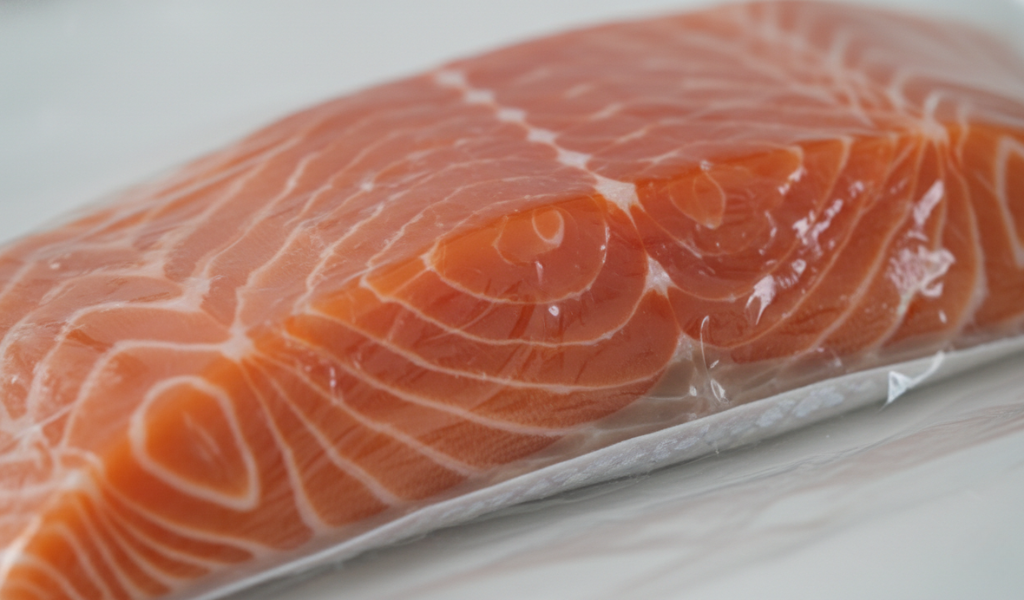
Scallops should be treated like lean fish—dried and kept on ice. For shrimp, keep them in their shells until you are ready to cook, as the shell acts as a protective barrier against the cold, drying air of the refrigerator.
Even if you follow every step of how to store fish, nature eventually takes its course. Before you cook, always do a “sensory check.“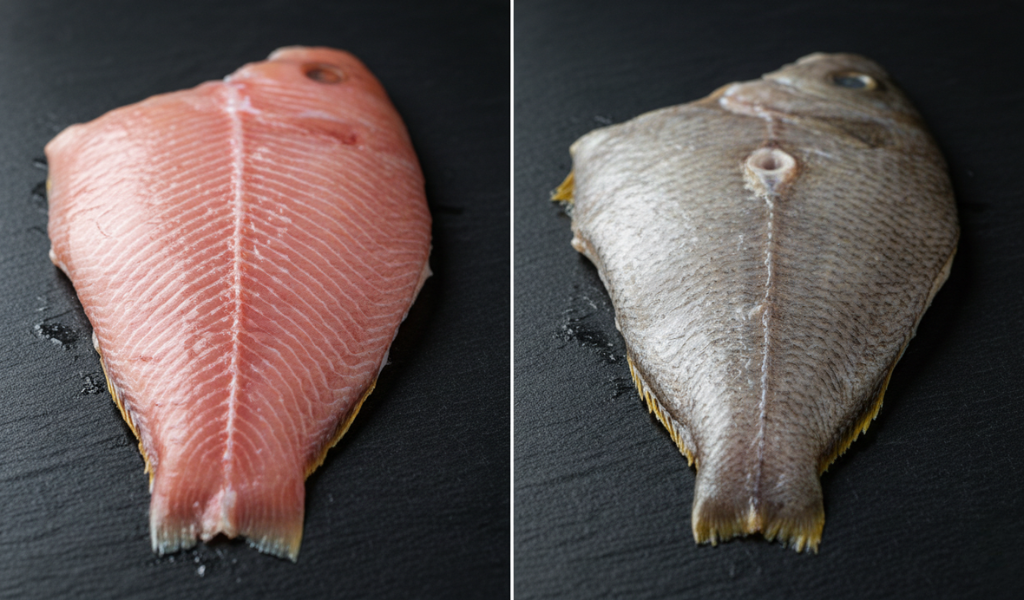
Mastering how to store fish in the refrigerator properly is an essential skill for any home cook who values quality. By focusing on keeping the fish cold, dry, and airtight, you can extend the life of your seafood and enjoy meals that taste like they came straight from the coast.
Remember, the goal is to keep the temperature as close to 32°F as possible using ice or ice packs and to avoid stacking fillets. Whether you are prepping a fancy Sunday dinner or just trying to make the most of a grocery sale, these steps for how to store fish at home will ensure your kitchen remains a place of delicious, fresh flavors.
Next time you bring home a beautiful piece of tuna or snapper, don’t just “toss it in.” Give it the ‘five-star treatment’ it deserves, and your taste buds will thank you!
Keep fish dry, store it in an airtight bag, place it on ice, and keep it on the bottom shelf to maintain a near-freezing temperature.
If you use the ice-pack method, most fresh fish will stay in peak condition for 2 to 3 days. Without ice, you should aim to cook it within 24 hours.
No. The paper often gets damp, and as we discussed, moisture promotes bacteria growth. Always remove the fish, pat it dry, and move it to a clean zip-top bag.
Yes, but do it sooner rather than later. If you know you won’t eat the fish within 48 hours, wrap it tightly in plastic wrap, then foil, and place it in a freezer bag. It’s better to freeze it while it’s fresh than to wait until it’s on the verge of spoiling.
This usually happens because the fish wasn’t sealed in an airtight bag or container. Fish odors are highly volatile and can be absorbed by other foods like butter or milk. Always use a double-seal method if you are worried about smells.
Cooked fish is more stable than raw fish. It can be stored in an airtight container in the refrigerator for 3 to 4 days. However, it does not need to be kept on ice—standard fridge temps are fine for cooked leftovers.
Generally, no. Salt draws out moisture (osmosis). If you salt the fish and leave it in the fridge overnight, you will find a puddle of liquid in the bag the next morning, and the fish will have a tougher, cured texture. Save the seasoning right before you cook.
Absolutely. Every time you open the door, warm air rushes in. The front of the shelves can fluctuate significantly in temperature. The back of the bottom shelf is the most stable and coldest environment for your seafood.