Physical Address
304 North Cardinal St.
Dorchester Center, MA 02124
Physical Address
304 North Cardinal St.
Dorchester Center, MA 02124

Have you ever opened your refrigerator door, stared into the crowded depths, and felt frustrated? You are not alone. We have all been there—shoving a container of leftovers into a tiny gap, balancing a jar of mayonnaise on top of an egg carton, and hoping nothing crashes to the floor when the door swings open.
When your fridge is a chaotic mess, you waste precious time hunting for ingredients. Even worse, hidden food rots away in dark corners, leading to wasted money and unpleasant smells.
Learning how to organize your fridge to maximize space is not just about making your kitchen look beautiful for social media. It is about reducing food waste, saving money on your grocery bills, extending the life of your fresh ingredients, and making meal preparation a breeze.
Whether you are dealing with a compact apartment model or a giant French-door unit, strategic organization can create more usable fridge space . Let us transform your messy fridge into an efficient, clean, and organized and efficient space .
Before we dive into the physical layout of your appliance, let us look at why taking an hour to reset your fridge is worth every single minute.
When you organize your kitchen, the home appliances you rely on daily should work for you, not against you. A messy refrigerator forces the compressor to work twice as hard to maintain stable temperatures. When cool air cannot circulate freely around your food, you get hot spots and cold pockets. This means your milk might spoil early on a top shelf, while your lettuce freezes solid and turns to mush in a poorly placed bin.
Furthermore, a messy layout is a major cause of accidental spending. Have you ever gone to the supermarket and bought a fresh jar of mustard, only to return home and find two half-full jars hidden behind a massive bag of carrots?
Learning how to organize fridge interiors effectively gives you an instant visual inventory. You can see exactly what you have, what you need to buy, and what needs to be eaten immediately.
You cannot build a functional storage system on top of a dirty, unorganized foundation. To truly maximize your fridge space, you need to start completely from scratch.
Set aside about forty-five minutes on a day when your groceries are running low—right before your weekly shopping trip is the perfect time.
Empty every shelf, door bin, and drawer. Place everything on your kitchen counters or dining table. Do not leave anything inside. Seeing the bare bones of your appliance helps you visualize its true layout potential.
Pick up every jar, bottle, and container. Check the expiration dates. You will likely find expired salad dressings from two summers ago, ancient condiments, and leftovers that have crossed over into clearly spoiled . Toss out anything expired, spoiled, or unidentifiable.
If your fridge components are removable, slide out the glass shelves and plastic bins. Wash them in your kitchen sink with warm water and mild dish soap.
Tips: Never wash a cold glass shelf with hot water immediately, or the glass might crack from thermal shock. Let the shelves come up to room temperature first.
Wipe down the interior walls of the refrigerator with a mixture of warm water and white vinegar. This natural solution cuts through stubborn grease, removes sticky residue, and neutralizes bad odors without leaving behind harsh chemical scents that can be absorbed into your food. Dry everything thoroughly with a clean microfiber cloth before putting the shelves back in place.
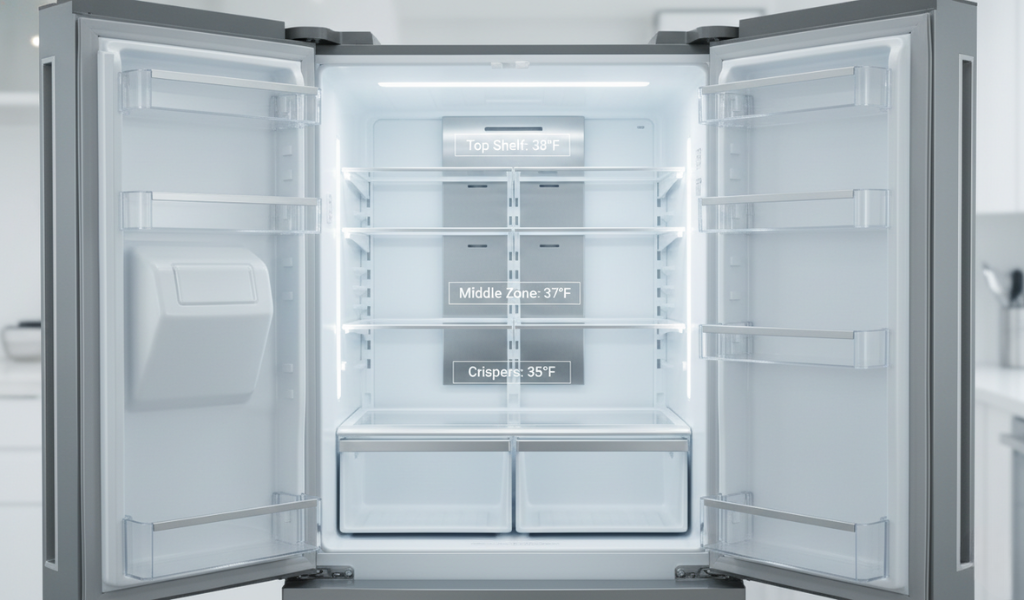
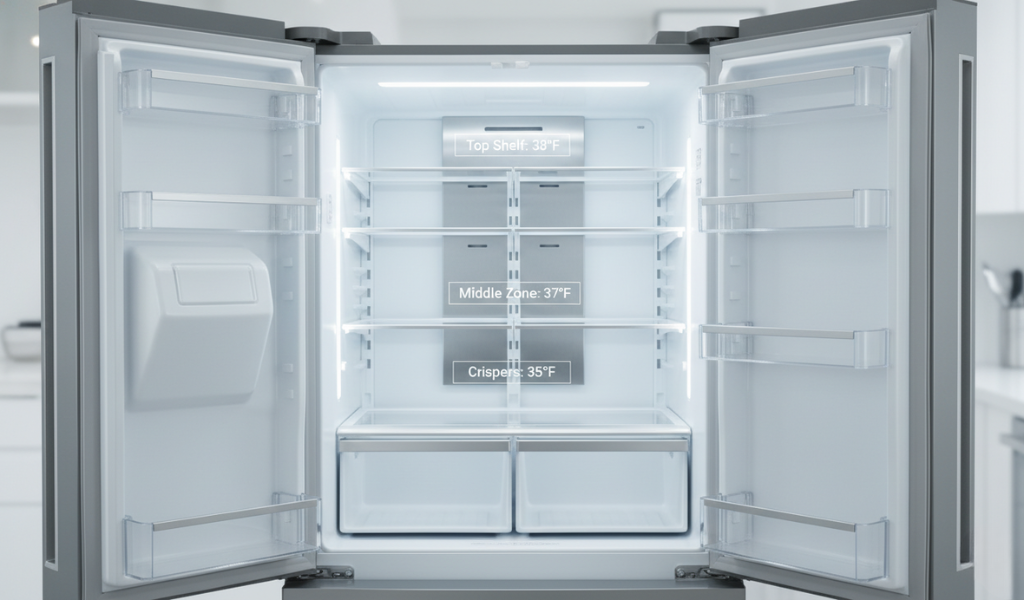
Many people treat their refrigerator like a big cold box where everything can go anywhere. However, different sections of the appliance maintain vastly different temperatures.
Cold air sinks, meaning the lowest parts of your appliance are generally the coldest, while the door bins are the warmest. If you place temperature-sensitive food in the wrong spot, it will spoil quickly, forcing you to throw it away and waste space.
Understanding these microclimates is the secret weapon to master how to organize your fridge to maximize space.
The upper shelves have the most consistent, stable temperatures. Because this area is not freezing cold but safely chilled, it is perfect for foods that do not need to be cooked before eating.
The middle section enjoys a steady, cool climate. This is the ideal home for your daily essentials that require consistent chilling to prevent bacterial growth.
The lowest shelf is the coldest spot in the entire appliance. It is also the safest place to handle raw proteins because if a package leaks, it will not drip down onto other foods below it.
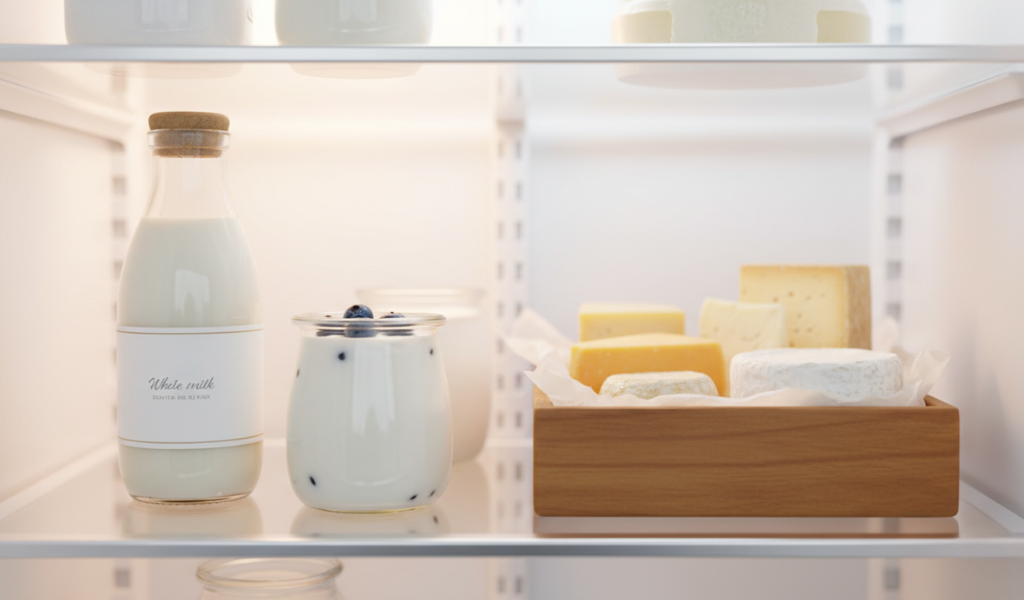
These drawers are designed to manage moisture levels, protecting your fresh produce from drying out or rotting. If your drawers have adjustable sliders, set one to High Humidity (closes the vents to trap moisture) and one to Low Humidity (opens the vents to let gases escape).
The door bins are exposed to warm kitchen air every single time you open the fridge. Therefore, it experiences constant temperature spikes. Never store highly perishable items like milk or eggs in the door, regardless of what the molded plastic shapes suggest!
Now that your fridge is sparkling clean and you understand the temperature zones, it is time to load your items back in using smart, space-saving strategies.
When you put things back at random, you create visual clutter and lose track of your items. Instead, sort your food into clear, distinct groups.
Think of your refrigerator like a small grocery store. Create a dedicated section for breakfast items, a zone for sandwich ingredients, and a corner for snack foods. When everyone in your home knows that the string cheese and yogurts live exclusively on the middle-left shelf, nobody will rummage around and mess up your clean layout.
* Breakfast Items (Butter, jams, bacon)
* Lunch Station (Deli meats, cheeses, mustard)
* Snack Corner (Yogurts, fruit cups, hummus)
* Beverage Zone (Sparkling water, sodas, juice)
* Dinner Prep (Pre-chopped veggies, marinating meats)
Most people leave their refrigerator shelves exactly where they were when the appliance was delivered from the store. This is a massive mistake that wastes tons of vertical space!
Take a look at your tallest items, such as water pitchers or large pots. Group those items together and adjust one shelf to accommodate their height.
Then, move your other shelves closer together to create narrow compartments for flat items like egg cartons, bacon packages, and low-profile storage containers. Utilizing narrow vertical spaces prevents you from leaving wide, empty gaps of dead air above short items.
We naturally tend to stack flat packages on top of each other. However, horizontal stacking is the enemy of visibility. If you stack five packages of deli meat on top of each other, you will forget about the bottom two until they turn green.
Instead, try storing flat items vertically, like files in a filing cabinet. You can use small plastic file organizers or wire bins to hold packages of bacon, sliced cheese, and tofu upright. This simple trick lets you pull out exactly what you need without toppling a giant tower of food.
If you want to take your fridge organizing routine to an elite level, investing in a few inexpensive clear storage tools will completely change the game.
Do not use opaque or colored baskets inside your refrigerator. If you cannot see what is inside a container, you will forget it exists. Clear acrylic bins act like drawers for your shelves.
Instead of reaching into the dark back corners of a deep shelf, you can pull a clear bin out by its handle, grab your item, and slide it back in. Use these bins to group small items like yogurt cups, juice boxes, or condiment jars that love to tip over.
Corners are where small jars are often forgotten. To solve this problem, place a small, non-slip Lazy Susan turntable on a top or middle shelf.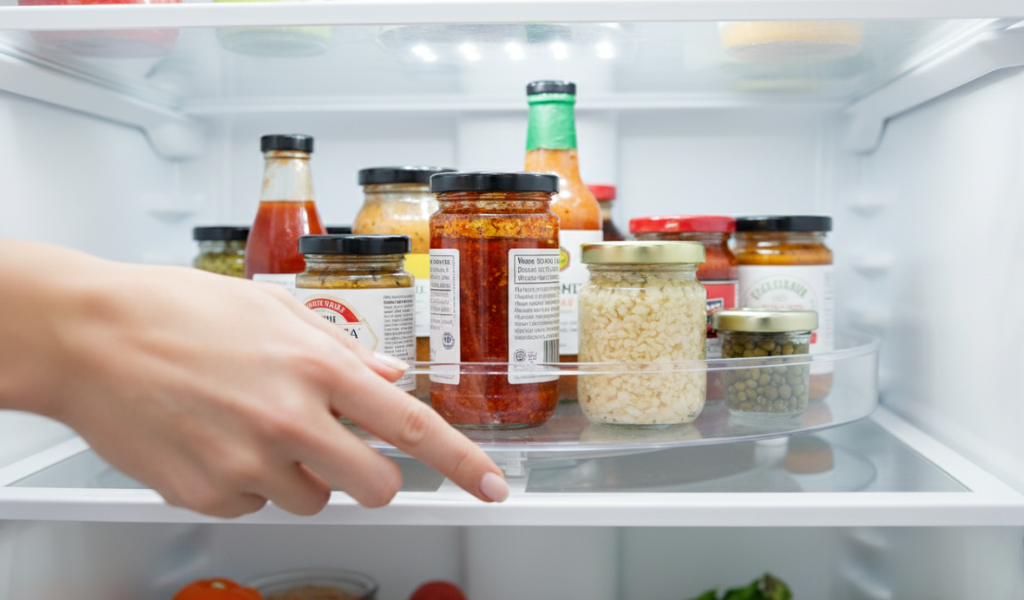
Put your small jars—like capers, olives, minced garlic, and pesto—on the turntable. Instead of knocking over five items to reach a jar in the back, simply spin the turntable to bring the rear items straight to the front.
Loose bottles and aluminum cans take up a massive footprint when stood upright on a shelf. They also have an annoying habit of rolling around if laid on their sides.
Specially designed curved acrylic bottle holders allow you to stack wine bottles, water bottles, and soda cans safely on top of one another. This technique frees up horizontal space for other food containers.
Look closely at your refrigerator shelves. Is there a big gap of empty space beneath the glass? You can purchase slide-on, under-shelf drawers or clip-on storage pouches.
These clever tools clip directly onto your existing shelves, hanging down to hold small, flat items like cheese sticks, herb packets, or chocolate bars in spaces that would otherwise go completely unused.
One of the easiest ways to reclaim lost space is to stop letting food manufacturers dictate how your food is stored. Cardboard boxes and thick plastic wraps are designed for shipping and supermarket displays, not for your home kitchen.
When you purchase a multi-pack of yogurt, fruit cups, or sodas, remove them from their outer cardboard sleeves immediately before putting them in the fridge. Cardboard packaging is bulky, restricts cold airflow, and blocks your line of sight. Removing it allows you to line items up cleanly or stack them into narrow clear bins.
When you bring home berries, grapes, or cherry tomatoes, do not leave them in their mismatched, weirdly shaped supermarket plastic clamshells. These containers do not stack well and often have sharp edges that waste space.
Wash your fresh produce, dry it thoroughly, and transfer it into uniform, square or rectangular clear glass or plastic storage containers. Square containers fit tightly against each other without leaving gaps, whereas round containers leave empty, wasted pockets of space at the corners.
Important Rule: Always ensure your storage containers are airtight to lock in freshness and prevent odors from traveling across different foods.
Maximizing your fridge space requires smart, long-term food management. A classic restaurant kitchen technique you should adopt at home is the ‘FIFO’ method, which stands for First-In, First-Out.
Designate one clear bin on your middle shelf as the ‘Eat Me First’ station. Use a bright marker to write this label clearly on the front.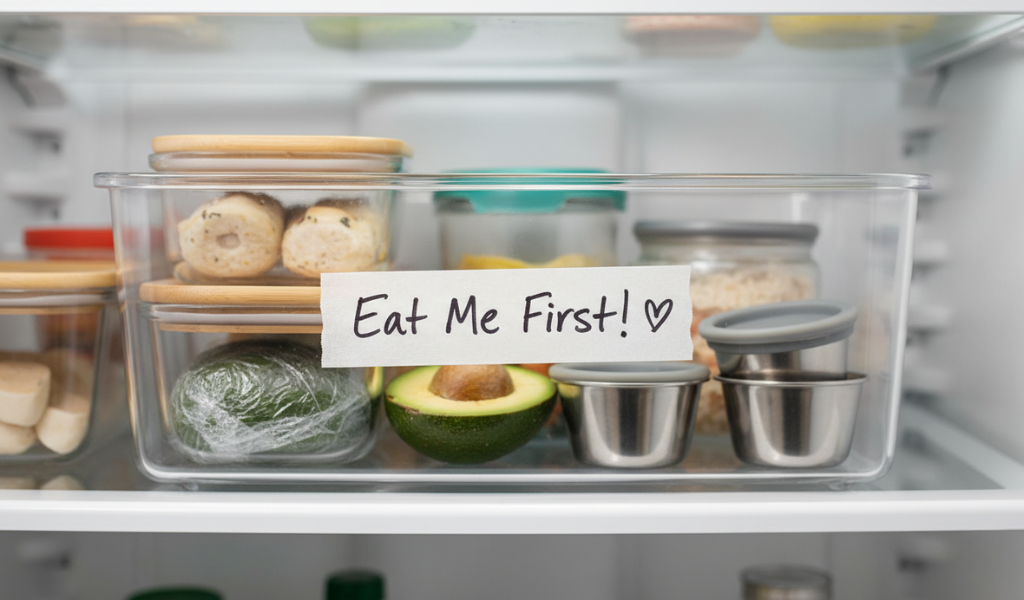
Whenever you notice an ingredient approaching its expiration date, half an onion wrapped in silicone wrap, or leftovers from two nights ago, move them immediately into this bin. This creates a clear visual cue for your family members when they open the door looking for a quick snack.
When you return home with fresh groceries, take an extra two minutes to pull your older items toward the front of the shelves before loading the new items in the back. Put the newest milk carton behind the older one, and the fresh spinach bag underneath the one you opened a few days ago. This simple habit keeps your inventory moving and prevents older food from getting buried and forgotten.
Keep a roll of painter’s tape and a permanent marker in a kitchen drawer near your appliance. When you store leftovers or open a new jar of chicken broth, slap a small piece of tape on the container and write down the date. You will never have to guess whether a container of pasta is safe to eat or needs to be thrown away again.
Congratulations! You have successfully learned how to organize your fridge to maximize space, and your appliance looks absolutely incredible. However, an organized fridge requires regular upkeep to prevent it from sliding back into total chaos.
Fortunately, maintaining this system takes less than ten minutes a week if you build a simple routine.
Make it a rule to audit your refrigerator the night before your weekly grocery trip. Because your food supply is at its lowest point, this task takes almost no effort.
As you load your groceries back in, remember that an overstuffed refrigerator is an inefficient one. Cold air needs to circulate around each item to maintain proper food safety temperatures.
Never pack your shelves so tightly that items are pressed firmly against the back wall or blocking the internal air vents. Aim to keep your refrigerator about 70% to 80% full for the perfect balance of space optimization and energy efficiency.
Transforming your refrigerator from a messy, chaotic jumble into a beautifully organized oasis is a total game-changer for your daily life. By taking the time to learn how to organize your fridge to maximize space, you protect your pocketbook from accidental food waste, cut down your meal prep time, and keep your kitchen running perfectly.
Start small. Empty a single shelf tonight, adjust its height, and ditch some unnecessary cardboard packaging. Once you see how much extra fridge space you can unlock with a few simple tweaks, you will want to organize every single appliance in your home. Happy organizing!
No, it is highly recommended to avoid storing fresh eggs in the door bins. The door experiences significant temperature changes every time it is opened, which can cause eggs to spoil faster or grow harmful bacteria. Instead, keep your eggs in their original carton or a stackable acrylic egg holder placed on the colder middle or bottom shelf.
Several common grocery items lose their flavor, change texture, or spoil faster if stored inside a cold refrigerator. Keep tomatoes, potatoes, onions, garlic, honey, and whole bananas on your kitchen counter or in a dark pantry instead of the fridge.
If your lightweight plastic bins slide around when you reach inside, line the bottom of your refrigerator shelves with non-slip, washable shelf liners. Alternatively, you can place small silicone adhesive dots on the bottom corners of your storage bins to keep them firmly in place.
As a general rule of thumb, most cooked leftovers are safe to consume for three to four days if kept in an airtight container in a properly chilled zone. If you know you will not finish a meal within four days, label it and place it in your freezer instead.
Ice buildup usually happens when food items are pushed directly against the back wall, blocking the internal cooling vents and trapping moisture. It can also occur if your door gaskets are worn out, letting warm air leak into the appliance. Keep a two-centimeter gap between your food and the back wall to let air flow freely.
Square or rectangular glass containers are generally superior because they are sturdy, stack beautifully without warping under weight, and do not stain or hold onto food odors. However, high-quality, BPA-free clear plastic bins are excellent for organizing loose items, snacks, and condiments because they are lightweight and have built-in handles.