Physical Address
304 North Cardinal St.
Dorchester Center, MA 02124
Physical Address
304 North Cardinal St.
Dorchester Center, MA 02124

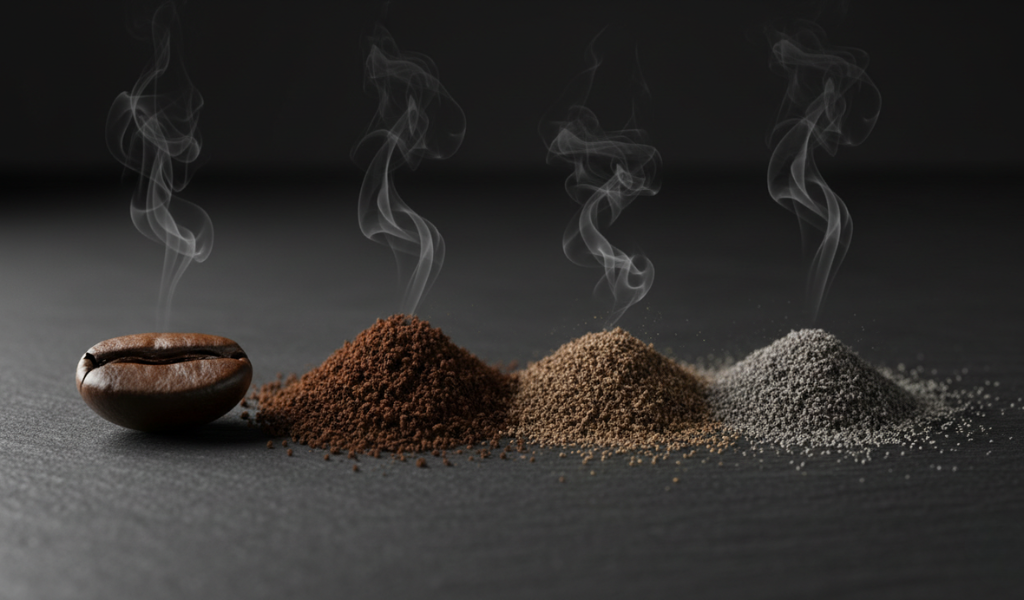
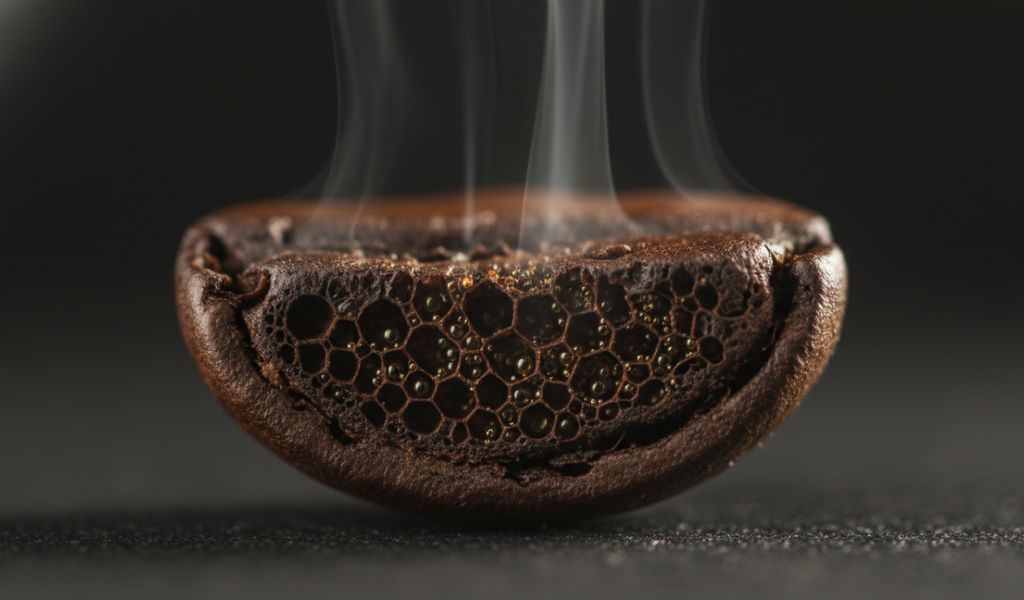 Imagine waking up, the sun just beginning to peek through the curtains, and the first thing you crave is that rich, soul-warming aroma of a fresh cup of coffee. You scoop your favorite coffee beans into the grinder, but instead of that vibrant, fruity, or chocolatey scent you love, you get… nothing. Or worse, a dull, papery smell.
That flat flavor is the heartbreak of every home barista. The truth is, coffee is a delicate agricultural product. Once those beans leave the roaster, a countdown clock begins. If you don’t know how to store coffee beans correctly, you are essentially letting your hard-earned money evaporate into thin air. Many people spend a fortune on high-end grinders and pour-over kettles, yet they neglect the most basic element: preserving the raw ingredient.
In this guide, we are going to master the art of coffee preservation. We will look at why beans go stale, the “four horsemen” of coffee destruction, and the best practical methods to keep your morning ritual tasting like a world-class cafe.
When you look at a brown, roasted coffee bean, you are looking at a tiny miracle of chemistry. Naturally, a raw green coffee bean has very little smell—it actually smells more like dried grass or hay. The flavors we love are born during the roasting process, where heat triggers the Maillard reaction. This creates thousands of volatile aroma compounds and oils trapped within the honeycomb-like cell structure of the bean.
However, these compounds are ‘chemically unstable’. As soon as the roasting is finished, the beans begin a process called “degassing,” where they release carbon dioxide ($CO_2$). This gas is what creates the “bloom” when you pour water over fresh grounds. While some degassing is necessary (excessive $CO_2$ can block water from extracting flavor), too much of it means the protective gas shield is gone. Once those internal oils are exposed to the environment, they oxidize—much like an avocado turning brown or wine turning to vinegar—and the flavor becomes rancid, bitter, and flat.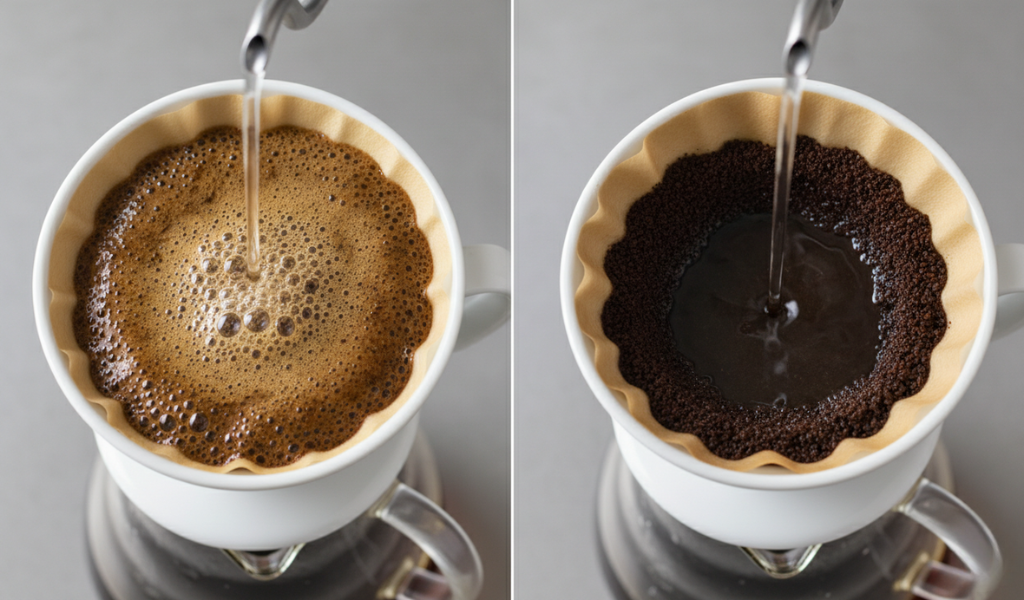
To understand how to store coffee beans, you first have to know exactly what you are fighting against. In the industry, we call these the “Four Enemies of Freshness.”
Oxygen is the primary culprit of oxidation. When air touches the surface of your coffee, it starts breaking down the organic molecules that provide flavor. This is why a bowl of open beans on a counter will taste like cardboard in just a few days. The more surface area exposed to air, the faster the degradation happens.
You might love the look of coffee beans in a clear glass jar on your windowsill, but UV rays are a nightmare for coffee quality. Light breaks down the chemical bonds in the beans through a process called photodegradation. It’s the same process that fades the paint on a car; it literally bleaches the flavor out of your beans.
Heat accelerates every chemical reaction, including the staling of your brew. Storing your coffee next to a warm oven, on top of a refrigerator (which emits heat from the coils), or in a cabinet that gets direct afternoon sun will age your beans prematurely. A cool, stable environment is the only way to slow down the clock.
Coffee is “hygroscopic,” which means it acts like a sponge for moisture and surrounding odors. If your beans get damp, the oils are stripped away, and the cell structure breaks down. Even worse, moisture in a sealed environment is a recipe for mold, which can ruin an entire batch and pose a health risk.
If you want to treat your coffee with the respect it deserves, follow these non-negotiable rules. These are the foundations of a great cup and don’t require expensive technology.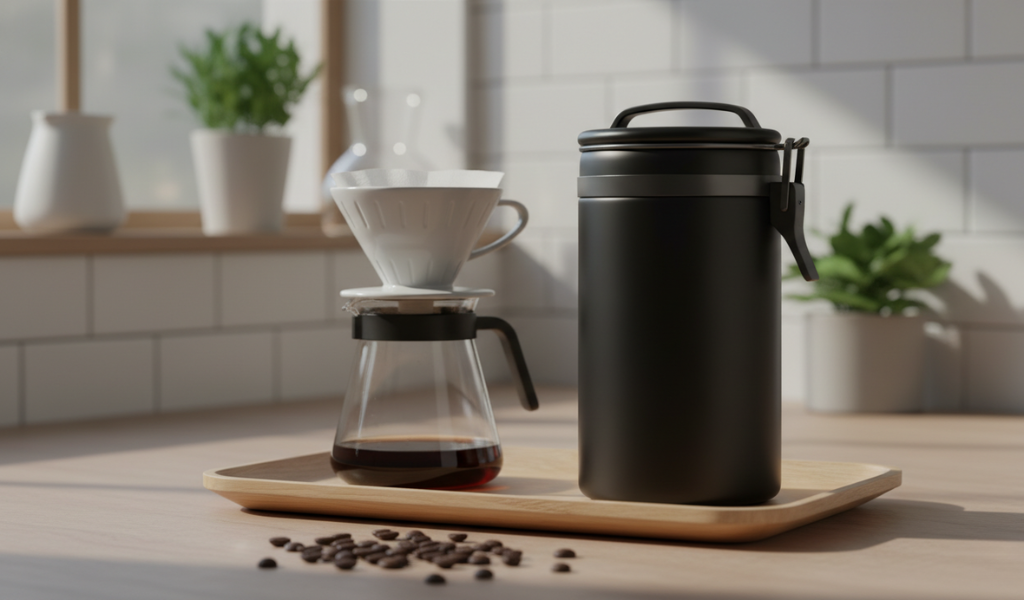
A real-life example I often share: I once visited a friend who kept her expensive artisanal coffee in a beautiful crystal bowl on her kitchen island. It looked like a magazine photo. However, within three days, that $25 bag of beans tasted like the generic tin coffee from a gas station. She was feeding all four enemies every single day!
One of the most common questions is: “Should I keep the beans in the bag or move them?” The answer depends entirely on the type of bag.
Modern specialty coffee bags are high-tech pieces of equipment. Most feature a ‘one-way valve’. This little plastic circle allows $CO_2$ to escape (so the bag doesn’t explode) but prevents oxygen from entering. If your bag has a zipper seal and a valve, it is a perfectly fine storage vessel. The trick is to squeeze as much air out as possible before zipping it shut to minimize the oxygen inside.
If your coffee beans come in a simple paper bag or a bag without a seal, you must move them immediately. A dedicated coffee canister, especially one with a “plunger” lid or an inner lid that pushes the air out as you close it, is the gold standard. These reduce the “headspace”—the pocket of air that sits on top of the beans. Less air in the jar means less oxidation between your morning brews.
This is the most controversial topic in the coffee world. For years, the mantra was “never freeze!” Today, the advice is more nuanced thanks to better sealing technology.
The freezer is a very humid environment. Every time you take the bag out of the freezer to scoop some beans for your morning coffee, moisture from the warm kitchen air condenses on the cold beans. This condensation is ‘liquid poison’ for flavor. Furthermore, coffee is a deodorizer. If you don’t seal it perfectly, your morning brew might taste like frozen salmon, onions, or whatever else is in your freezer.
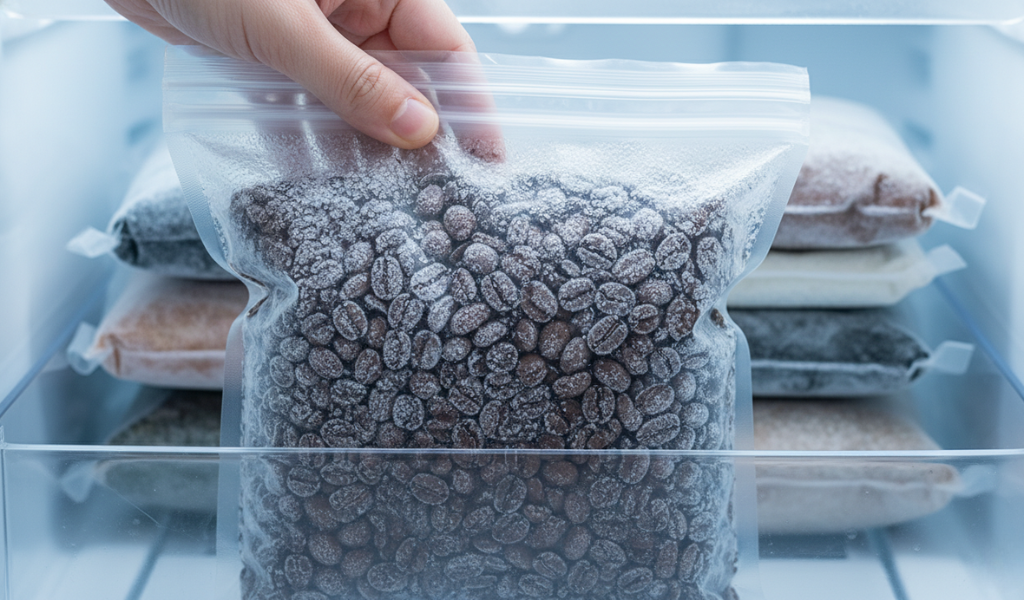
Freezing is excellent for long-term storage (1-4 months). If you found a rare roast or bought in bulk, follow these steps:
If you really care about how to store coffee beans, you should stop buying ground coffee entirely. There is no storage method on Earth that can keep ground coffee fresh for long.
When you grind a bean, you increase its surface area by thousands of times. Imagine an apple. If you leave it whole, it stays fresh for weeks. If you slice it up or grate it, it turns brown and mushy in minutes. Ground coffee is exactly the same. The oxidation process that takes weeks for whole beans happens in mere minutes for grounds.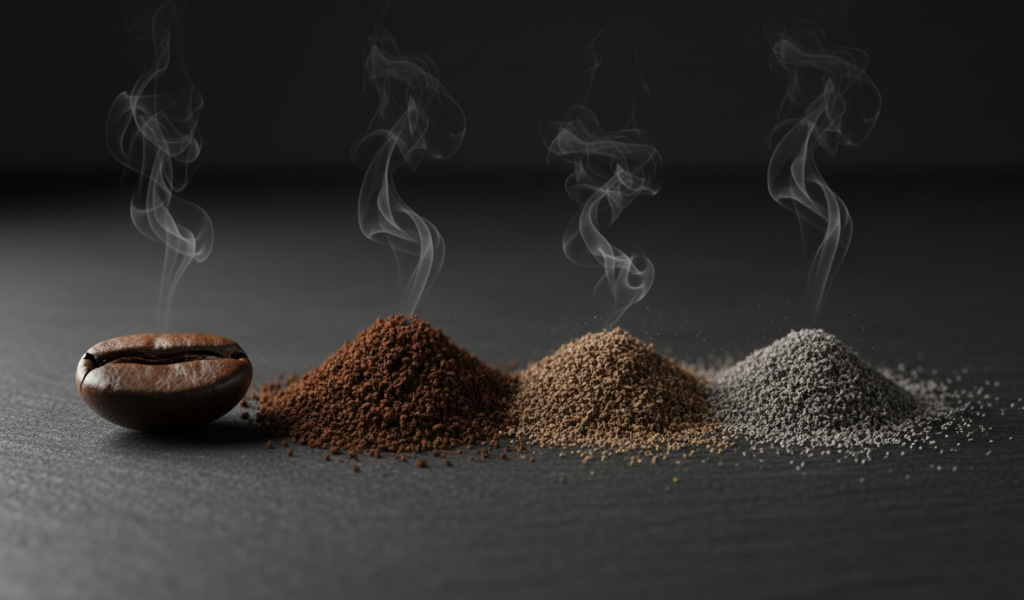
If you must buy pre-ground, your storage needs to be even more strict. Use an airtight container, keep it in the darkest part of your pantry, and try to finish the bag within 5 to 7 days. After a week, even the best ground coffee will have lost its aromatic “sparkle.”
The best storage strategy in the world cannot save old coffee. To ensure a ‘premium experience’, you need to understand the lifecycle of a roast.
At the end of the day, learning how to store coffee beans is about protecting the hard work of the farmers and roasters who spent months perfecting that product. By shielding your coffee from light, air, heat, and moisture, you ensure that every cup is an experience, not just a caffeine delivery system.
Invest in a good opaque canister, keep it in a cool pantry, and buy only what you need for the week. It’s a simple change that will transform your morning routine from “ordinary” to “extraordinary.” Now, go enjoy that perfectly preserved brew!
Absolutely not. A refrigerator is full of moisture and food odors. Since coffee beans are porous, they will absorb the scent of your leftover takeout. Additionally, the temperature isn’t cold enough to stop stalling, but it is cold enough to cause condensation issues every time you open the door.
Perform a “scent test.” Fresh beans will have a punchy, complex aroma. Stale beans will smell like old peanuts, musty wood, or nothing at all. You can also try the “Ziploc test”: put some beans in a bag, squeeze the air out, and leave it overnight. If the bag puffs up with gas, the beans are still fresh and degassing.
Only if you want them to taste identical. The volatile oils will transfer between beans. If you have a fruity Ethiopian bean and a chocolatey Brazilian bean, keep them in separate containers to preserve their unique “terroir” and flavor profiles.
Yes. Darker roasts are more porous and have more surface oils, which means they oxidize even faster than light roasts. If you love dark roasts, be even more vigilant about keeping air out of your container, as those visible oils can turn rancid quickly.
Yes. Glass is an inert material that won’t add any weird “plastic” flavors to your coffee. As long as the cabinet stays dark 99% of the time and the jar has a high-quality silicone seal, glass is a great choice.
Stainless steel and ceramic are the top choices. They are durable, easy to clean, and naturally block all light. Avoid cheap plastics, which can sometimes leach a “chemical” smell into the bean or become stained by coffee oils over time.
You can for a few weeks, but they eventually lose their effectiveness. The zipper seal can wear out or get clogged with coffee dust (chaff). For the best results, treat the bag as a temporary home and move the beans to a high-quality permanent canister once the original seal feels weak.