Physical Address
304 North Cardinal St.
Dorchester Center, MA 02124
Physical Address
304 North Cardinal St.
Dorchester Center, MA 02124

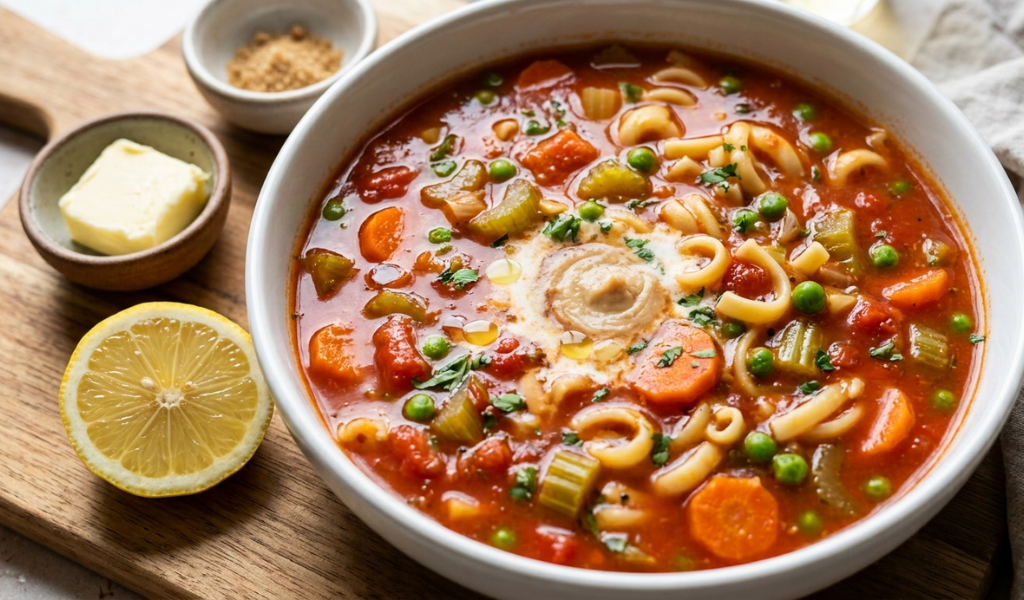
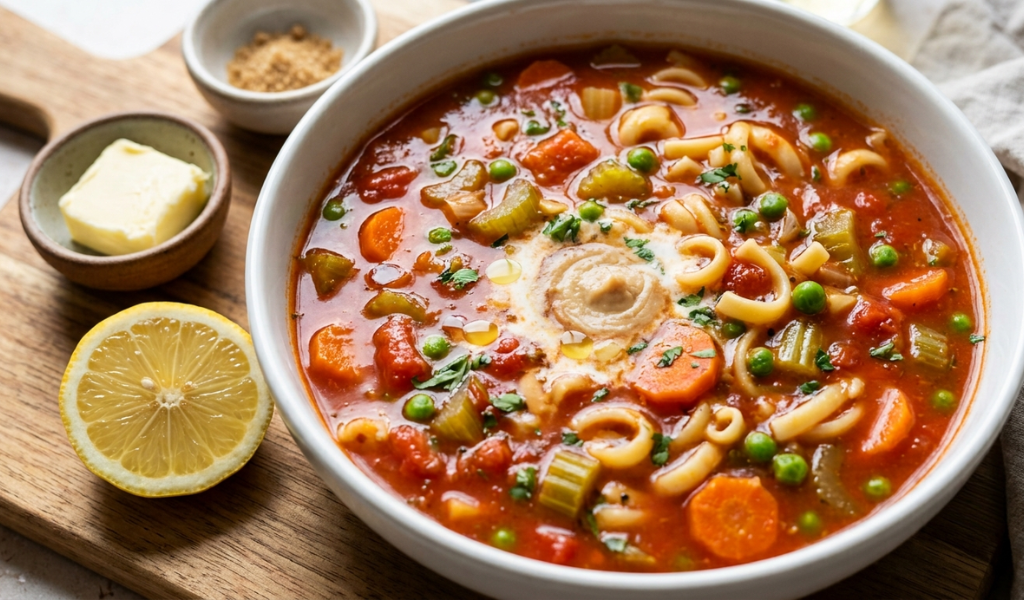
We’ve all been there. You spend an hour making a big pot of soup, take that first proud spoonful and it tastes like the ocean. Learning how to make food less salty is one of those kitchen skills nobody really teaches you, but everyone eventually needs. The good news? Oversalting is almost always fixable. With a few smart tricks and some pantry staples, you can rescue a too-salty dish and serve a meal worth being proud of.
This guide covers everything from quick fixes you can try right now to longer-term habits that’ll help you avoid oversalting in the first place. Whether you’re dealing with salty soup, an over-seasoned sauce, or a stew that went a little too far, there’s a solution here for you.
Salty food happens for all kinds of reasons. Sometimes it’s as simple as a slip of the hand while pouring. Other times, you swap one type of salt for another without realizing they’re not equal by volume. And sometimes, the culprit isn’t salt at all; it’s an ingredient like soy sauce, Parmesan, or capers quietly adding its own sodium to the mix.
Understanding why your dish got too salty makes it easier to fix it. It also helps you build better habits going forward. But first, let’s focus on rescue mode.
This is the simplest fix for salty soup or stew. Add cold water, a little at a time, stirring and tasting between additions. 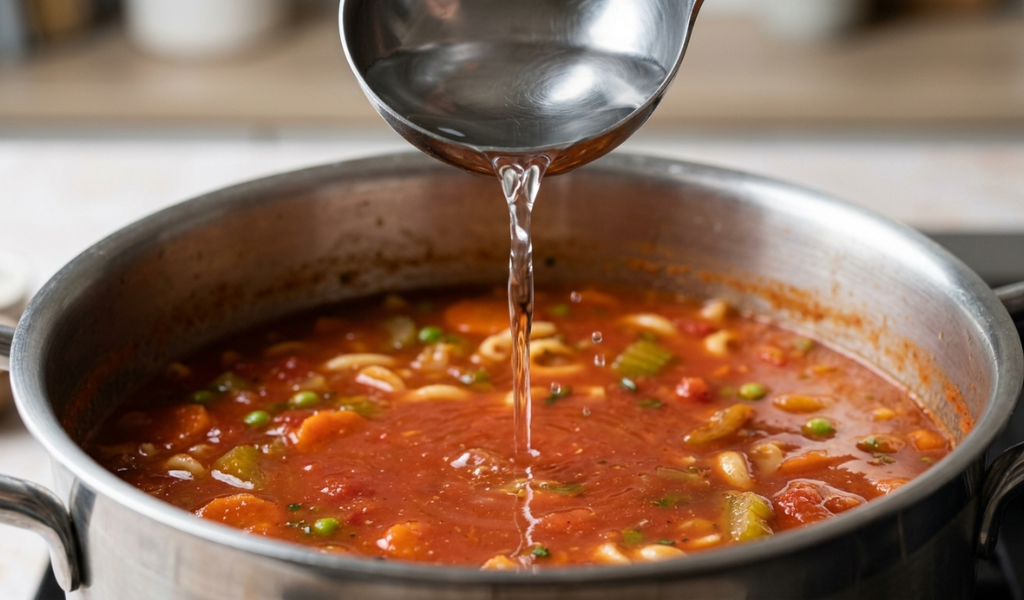 Bring it back to a simmer after each addition so the flavors can re-integrate. Keep going until the saltiness feels balanced.
One thing to keep in mind: adding water will also dilute other flavors, like your herbs and spices. Once you’ve dialed in the salt level, taste again and adjust your seasonings accordingly.
Adding more ingredients to a salty dish is one of the most effective fixes, especially for soups and stews. More food means the existing salt gets spread across a larger volume, which lowers the overall saltiness without removing anything.
Starchy ingredients work especially well here. Noodles, rice, barley, diced potatoes, and canned beans (go for low-sodium ones) all absorb salt as they cook. You can also add more vegetables to stretch the dish further. If you end up with more food than you need, freeze the leftovers—nothing goes to waste.
You’ve probably heard the tip: drop a whole, unpeeled raw potato into your salty soup and let it absorb the excess salt. This old piece of kitchen wisdom has been passed down through generations, but the truth is that its impact is pretty mild.
A single whole potato won’t absorb enough salt to make a noticeable difference in a large pot. The starch it releases does help slightly, but it’s not the magic fix it’s often made out to be. That said, if you’re truly desperate and have nothing else on hand, there’s no harm in trying it.
For a more meaningful result, skip the whole potato method and go with the diced potato approach mentioned in the section above. A larger surface area means more contact with the liquid and more salt absorption overall.
Acid is one of the most underrated tools in the kitchen for managing flavor. A squeeze of lemon or lime juice, a splash of vinegar, or even a spoonful of tomato paste can make a salty dish taste far more balanced almost immediately.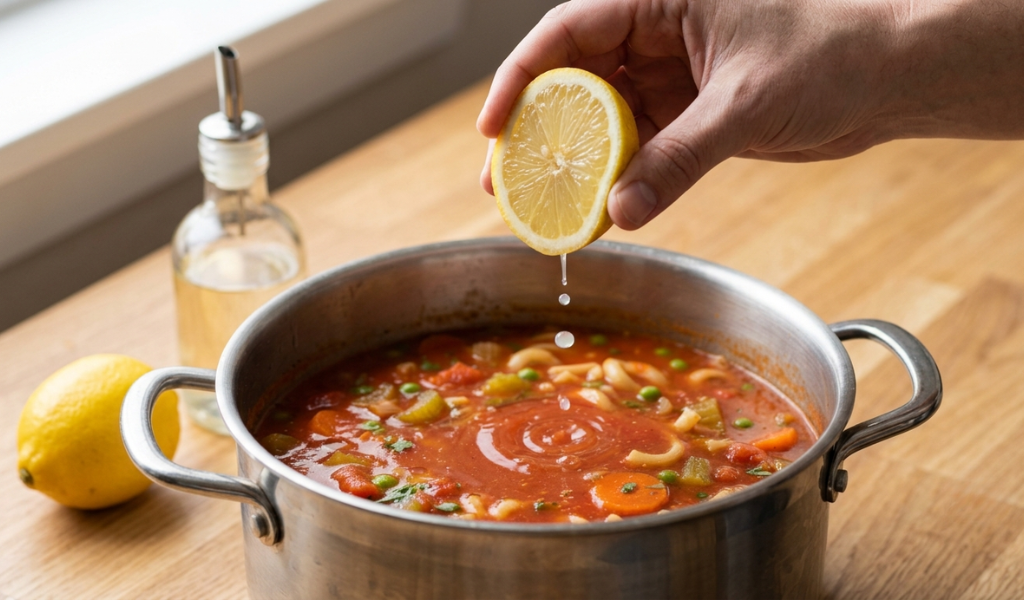
Acid works by shifting your perception of saltiness. It doesn’t remove the salt, but it makes other flavors more prominent, so the salt no longer dominates. Distilled white vinegar is a neutral option that works across many cuisines. Apple cider vinegar, Champagne vinegar, and red or white wine vinegar are also solid choices.
If you think the dish could also use a little sweetness, hold off on balsamic vinegar; its natural sweetness changes the flavor profile, and it’s better saved for recipes that call for it specifically.
Dairy has a natural ability to soften the intensity of salty food. The fat content coats your mouth, creating a subtle barrier between your taste buds and the sodium. 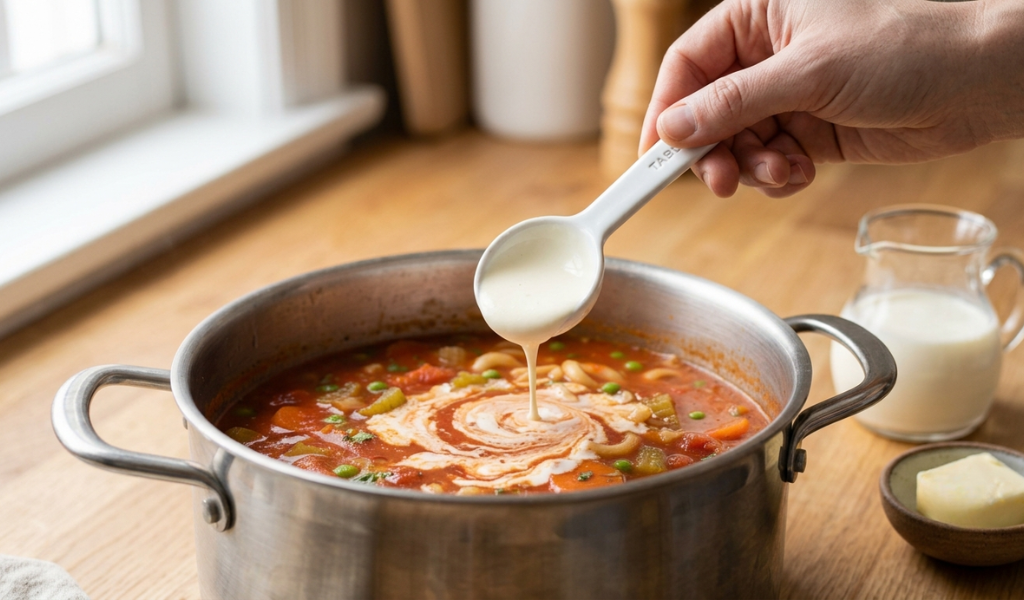 It also adds a creamy richness that rounds out sharp or overpowering flavors.
Heavy cream and whole milk are obvious choices for soups and sauces, but you have plenty of other options too. A pat of unsalted butter, a dollop of sour cream, a spoonful of plain yogurt, or even a small amount of cream cheese can all do the job well. If you’re cooking for someone who avoids dairy, unsweetened oat milk, almond milk, or soy milk work in similar ways.
A small amount of sweetness can counterbalance saltiness the same way it counterbalances acidity. This is a common technique in dishes like tomato sauce, barbecue sauce, and pad thai. A little sugar brings the whole flavor profile back into harmony.
Start with just a teaspoon and taste as you go. Granulated sugar, brown sugar, honey, and maple syrup all work depending on the dish. The goal is balance, not sweetness, so add slowly and stop as soon as the salt feels less aggressive.
Fixing salty food is great, but not needing to fix it is even better. These habits will help you season more confidently every time you cook.
Rather than adding all your salt at the end, season throughout the cooking process. When you add salt at each stage to your aromatics, your proteins, your liquids every component of the dish gets seasoned from the inside out. This leads to deeper, more balanced flavor, and because you’re tasting as you go, you’re far less likely to overdo it.
This one sounds obvious, but it’s probably the most important rule in the kitchen. Taste your food regularly while it’s cooking, not just right before serving. This gives you plenty of time to adjust, and it applies to all flavors, not just salt.
Salty food isn’t always the result of too much added salt. Many common ingredients carry serious sodium levels on their own. Parmesan cheese, soy sauce, miso paste, olives, capers, and anchovies are all naturally high in salt. When you’re cooking with these ingredients, go lighter on any additional seasoning. Pairing them with something acidic also helps keep their intensity in check.
One of the most common reasons people add too much salt is that they measure directly over the dish. It’s easy for a small pour to become a large one without noticing. Instead, measure your salt into a small bowl first, then add it to your dish in controlled amounts.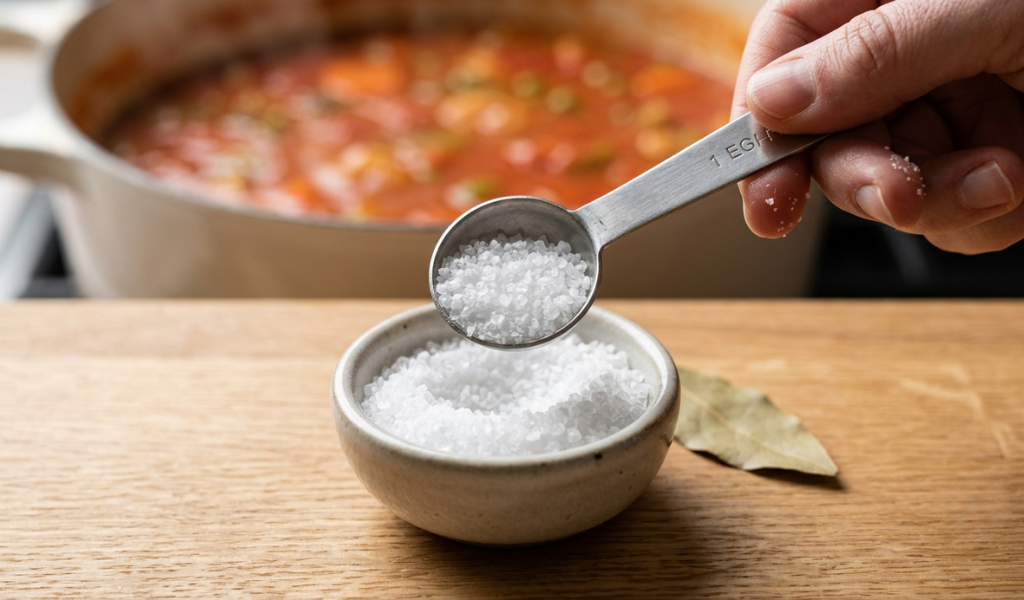 Simple habit, significant difference.
Before adding canned beans, cured meats, or salt-packed fish to a recipe, rinse them under cold water. Draining and rinsing canned goods alone can reduce their sodium content significantly. When possible, choose low-sodium versions of broth, soy sauce, and canned goods so you have more control over the final seasoning.
Not all salts are created equal and using the wrong one can quietly oversalt your dish. Kosher salt is the go-to choice in most professional kitchens and food publications because of its consistent, easy-to-control granules. But even among kosher salt brands, saltiness varies. Diamond Crystal, for example, is less dense than Morton, meaning you’d need more of it to achieve the same level of seasoning.
Table salt (iodized salt) is significantly more intense by volume than kosher salt. If a recipe calls for kosher salt and you use an equal amount of table salt instead, your dish will almost certainly come out too salty. When in doubt, check your recipe’s source to see which type of salt they used in testing.
Making food less salty is a skill that takes a little practice but pays off every time you’re at the stove. Between adding acid, bulking up with more ingredients, using dairy, or a small pinch of sugar, you now have a full toolkit for turning an overly salted dish back into something delicious.
The tips to avoid oversalting are just as valuable. Seasoning in stages, tasting throughout, rinsing your canned goods, and picking the right salt for the recipe these small adjustments add up to a noticeably better cook.
Next time you’re mid-recipe and things start tasting a little too briny, don’t panic. Take a breath, pick one of these fixes, and taste your way back to balance. That’s really all there is to it.
How do you make food less salty without adding more ingredients?
The quickest fixes that don’t require bulking up your dish are adding acid (like lemon juice or vinegar), a small splash of dairy, or a tiny pinch of sugar. These options work by shifting the flavor balance rather than diluting the dish.
Does adding a whole potato to soup actually reduce saltiness?
The whole potato trick has a mild effect at best. A single potato doesn’t have enough surface area to absorb a meaningful amount of salt from a large pot. For better results, add several diced potatoes to increase absorption and also add more volume to the dish.
What is the fastest way to fix salty soup?
The fastest fix is to add cold water a little at a time, taste as you go, and bring the soup back to a simmer. If you have time, adding more ingredients like noodles or vegetables works even better and keeps the soup flavorful.
Can you fix salty meat or protein after it’s cooked?
Yes, though it’s trickier than fixing a liquid dish. Serving salty meat with an acidic sauce, unseasoned grains, or a creamy element can help balance the flavors. If the meat is heavily cured (like salt cod), you can soak it in fresh water before cooking to draw out some of the salt.
Why does my food always end up too salty even when I follow the recipe?
The most common reason is using a different type of salt than the recipe intended. Table salt is much saltier by volume than kosher salt. If you’re substituting one for the other without adjusting the quantity, your dish will come out over-seasoned. Always check whether a recipe specifies kosher or table salt, and adjust accordingly.
What ingredients naturally make food taste less salty?
Starchy ingredients like potatoes, pasta, and rice absorb salt and dilute its concentration. Acidic ingredients like lemon juice and vinegar shift flavor perception. Dairy fats coat the palate and soften the impact. Sweeteners like honey or sugar create contrast that makes saltiness less dominant.
How do you avoid oversalting food in the first place?
The three most effective habits are: tasting throughout the cooking process (not just at the end), seasoning in stages rather than all at once, and measuring salt away from the pot so you don’t accidentally pour in too much. Choosing low-sodium versions of broth, canned goods, and condiments also gives you more control from the start.