Physical Address
304 North Cardinal St.
Dorchester Center, MA 02124
Physical Address
304 North Cardinal St.
Dorchester Center, MA 02124


Your kitchen appliances work hard every single day. The fridge hums along around the clock, the oven heats up for weeknight dinners, and the dishwasher tackles the mess so you don’t have to. But like anything that gets used this much, appliances eventually wear out. So when should you update your kitchen appliances? The honest answer is that it depends on a few key things, and it’s not always as obvious as you might think.
Maybe your oven takes forever to reach temperature. Maybe your fridge sounds louder than it used to. Or maybe you’re just wondering whether that 15-year-old dishwasher is costing you more than it’s worth. These are all good signs that it might be time to take a closer look.
In this guide, we’ll walk through how long appliances usually last, how to spot the warning signs, what to know about warranties, and how to care for your appliances so they last as long as possible. By the end, you’ll feel confident deciding whether to repair, replace, or simply keep going.
Before you decide to replace anything, it helps to know roughly how long each appliance is meant to last. The lifespan changes depending on the type, the brand, and how well the appliance has been looked after.
According to the consumer group Choice, here’s how long common kitchen appliances tend to last:
These numbers are a useful starting point, but they aren’t set in stone. A well-maintained fridge can easily outlast a neglected one. On the flip side, a cheaper model that’s been pushed hard might give out years before its time. Think of these ranges as a guide rather than a strict rule.
It’s also worth remembering that quality plays a big role. A premium appliance built with better materials and engineering often lasts longer and runs more efficiently than a budget version. That higher upfront cost can pay off over time.
Sometimes an appliance stops working completely, and the decision is made for you. More often, though, the signs creep in slowly. Here are some of the clearest hints that your appliance is on its way out.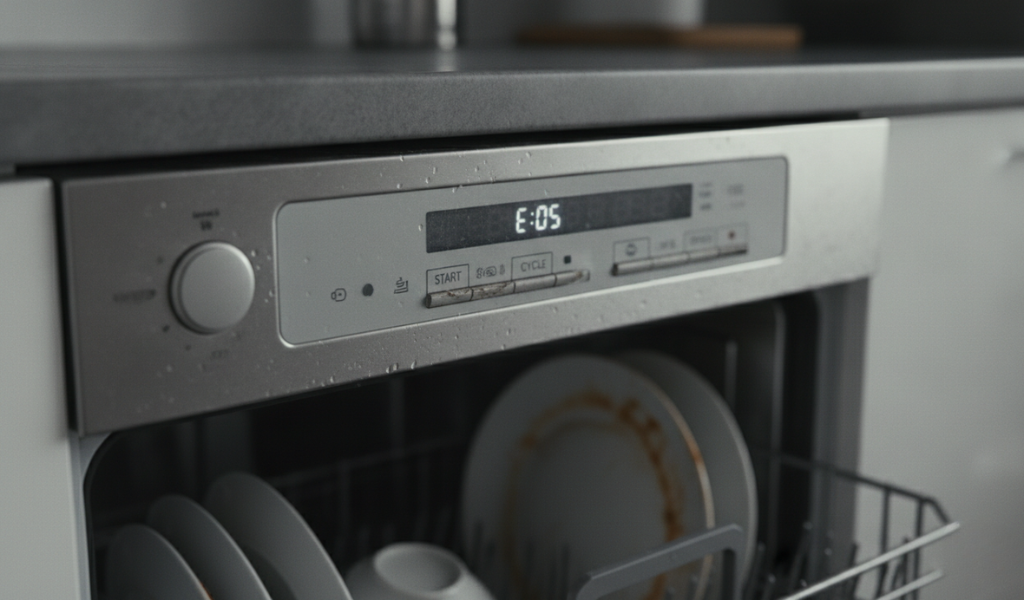
It’s not performing like it used to. Maybe your oven cooks unevenly, leaving one side of the tray burnt and the other underdone. Or your fridge struggles to keep food properly cold. When an appliance can’t do its main job well, it’s a strong signal that something is wrong.
Your energy bills are climbing. Older appliances tend to use far more power than newer ones. If your electricity bill keeps rising without any clear reason, an aging fridge or oven could be the culprit. Modern energy-efficient models can make a real difference here.
It breaks down often. One repair is normal. Two or three in a short space of time starts to add up, both in money and frustration. When repairs become a regular event, replacing the appliance is usually the smarter move.
It’s making strange noises or smells. Loud rattling, buzzing, or burning smells are never a good sign. These can point to a serious fault, and in some cases, a safety risk.
It looks dated or doesn’t fit your kitchen. This one is less about function and more about feel. If you’re renovating or simply want a fresh look, updating your appliances can completely transform the space.
This is the question that trips most people up. Nobody wants to spend money replacing something that could be fixed, but nobody wants to keep pouring cash into a lost cause either.
Here are some helpful questions to ask yourself before making the call:
Here’s something many people don’t realize: repairing an appliance can sometimes cost as much as buying a new one. If your dishwasher is 10 years old and needs a major part replaced, that repair bill might be close to the price of a modern, more efficient model. In cases like that, replacing makes more sense.
A good rule of thumb is the 50% rule. If a repair costs more than half the price of a new appliance, and the unit is already past the halfway point of its expected life, replacement is usually the better choice. For example, if a five-year-old microwave needs a $120 repair and a new one costs $200, you’re often better off buying new.
Always do a little research before committing. Get a repair quote, check the price of a comparable new model, and weigh up the running costs. A few minutes of homework can save you a lot of money.
Warranties matter more than people often think, especially when you’re deciding whether to repair or replace. The warranty period depends on the product and the manufacturer, so it pays to check the details when you buy.
You’ll usually find the warranty information on the packaging or the receipt. Keep these somewhere safe. If your appliance turns out to be faulty, you’ll need proof of purchase to make a claim. Without it, you could be stuck covering the cost yourself.
In Australia, the Australian Competition and Consumer Commission (ACCC) offers clear guidance on your rights as a consumer. It’s worth knowing that consumer law gives you certain protections beyond the standard manufacturer warranty, even after that warranty has ended. If an appliance fails sooner than it reasonably should, you may still be entitled to a repair, replacement, or refund.
Longer warranties often signal a brand’s confidence in its products. Some premium manufacturers offer extended cover that includes both parts and labor for several years. That kind of protection can give you real peace of mind, especially on a big purchase like an oven or dishwasher.
The best way to delay an expensive replacement is to take good care of what you already have. Appliances that are cleaned and serviced regularly simply last longer. A little effort goes a long way.
Start with the basics. Wipe down surfaces, clean out filters, and clear away any food buildup. For your fridge, that means keeping the seals clean and the coils free of dust. 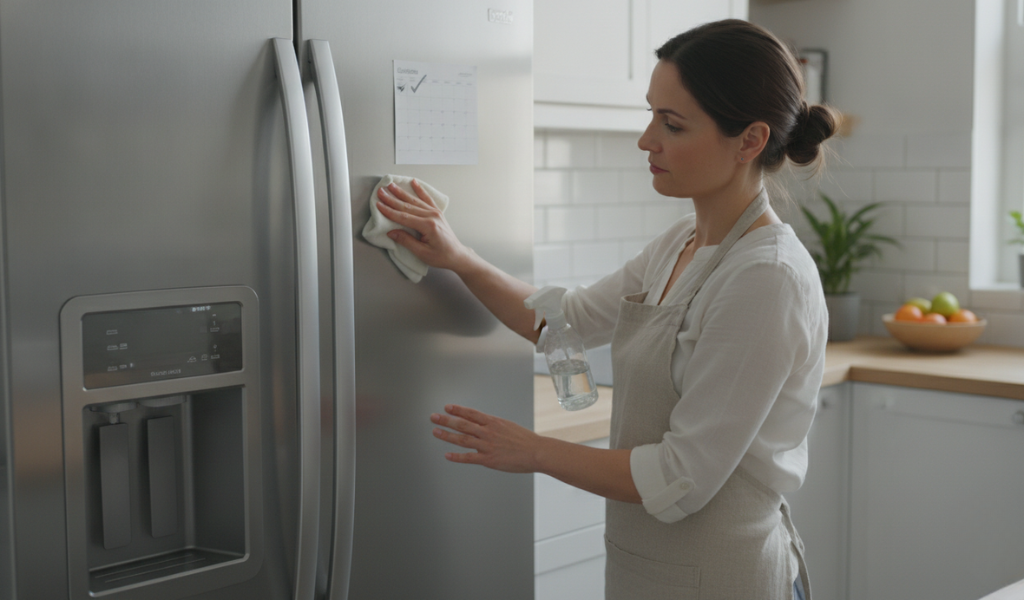 For your dishwasher, check and clean the filter regularly so it can drain properly. Your oven benefits from a good clean too, since grease and grime can affect how evenly it heats.
Reading the user manual is one of the most underrated habits. It might sound boring, but every appliance has its own care requirements, and the manual spells them out clearly. You’ll learn things like how often to service the unit, which cleaning products to avoid, and what the warning lights actually mean.
Here are a few simple maintenance habits worth building:
Look after your appliances, and they’ll look after you. It really is that straightforward.
There are a few moments when updating your kitchen appliances is clearly the right call rather than a tough decision.
A kitchen renovation is the obvious one. If you’re rebuilding the space anyway, it’s the perfect time to bring in modern, efficient appliances that match your new layout and style. Trying to fit old appliances into a brand-new kitchen often looks out of place and can hold back the whole design.
Another good time is when energy efficiency becomes a priority. If you’re tired of high power bills, newer models can cut your running costs noticeably. Over several years, those savings can offset a big chunk of the purchase price.
Finally, consider upgrading when your lifestyle changes. A growing family might need a bigger fridge or a faster oven. A keen home cook might want features like steam cooking or an induction cooktop. When your appliances no longer match how you live and cook, an upgrade can genuinely improve your daily routine.
Knowing when to update your kitchen appliances comes down to balancing a few key factors: the age of the appliance, how well it still works, the cost of repairs, and whether a newer model would save you money or hassle. There’s rarely a single perfect answer, but asking the right questions makes the decision much clearer.
Keep an eye on performance, stay on top of maintenance, and don’t ignore the warning signs. When repairs start outweighing the value of the appliance, or when a more efficient model could save you real money, that’s usually the moment to upgrade.
If you think it might be time for a change, start by checking the age and warranty status of your current appliances. From there, compare repair costs against the price and running costs of a new model. A little research now can save you money, stress, and a lot of frustration down the track.
How often should you replace kitchen appliances?
There’s no fixed schedule, since it depends on the appliance and how well it’s maintained. As a guide, ovens can last 10 to 20 years, fridges 6 to 13 years, and dishwashers 5 to 11 years. Replace an appliance when it stops performing well, becomes unsafe, or costs too much to repair.
Is it cheaper to repair or replace an appliance?
It depends on the age of the appliance and the cost of the repair. A handy rule is the 50% rule: if a repair costs more than half the price of a new model, and the appliance is past the halfway point of its expected life, replacing it is usually the better value.
How long do kitchen appliance warranties last?
Warranty length varies by product and manufacturer. Many standard warranties run for one to two years, while some premium brands offer extended cover that includes parts and labor for several years. Always check the packaging or receipt and keep your proof of purchase.
What are the signs that an appliance needs replacing?
Common signs include poor performance, rising energy bills, frequent breakdowns, strange noises or smells, and an appliance that no longer suits your kitchen or lifestyle. Any safety concern, such as a burning smell, should be addressed straight away.
How can I make my kitchen appliances last longer?
Regular cleaning and maintenance are key. Clean filters and seals, avoid overloading, and follow the care instructions in the user manual. Small habits like these help your appliances run efficiently and last closer to the top of their expected lifespan.
Do energy-efficient appliances really save money?
Yes, in most cases. Newer energy-efficient models use less power than older ones, which lowers your running costs. Over several years, those savings can offset a good portion of the upfront cost, especially for appliances that run often like fridges.
Does consumer law protect me after the warranty ends?
In Australia, yes. The ACCC notes that consumer law provides protections beyond the manufacturer’s warranty. If an appliance fails sooner than it reasonably should, you may still be entitled to a repair, replacement, or refund, even once the standard warranty has expired.