Physical Address
304 North Cardinal St.
Dorchester Center, MA 02124
Physical Address
304 North Cardinal St.
Dorchester Center, MA 02124

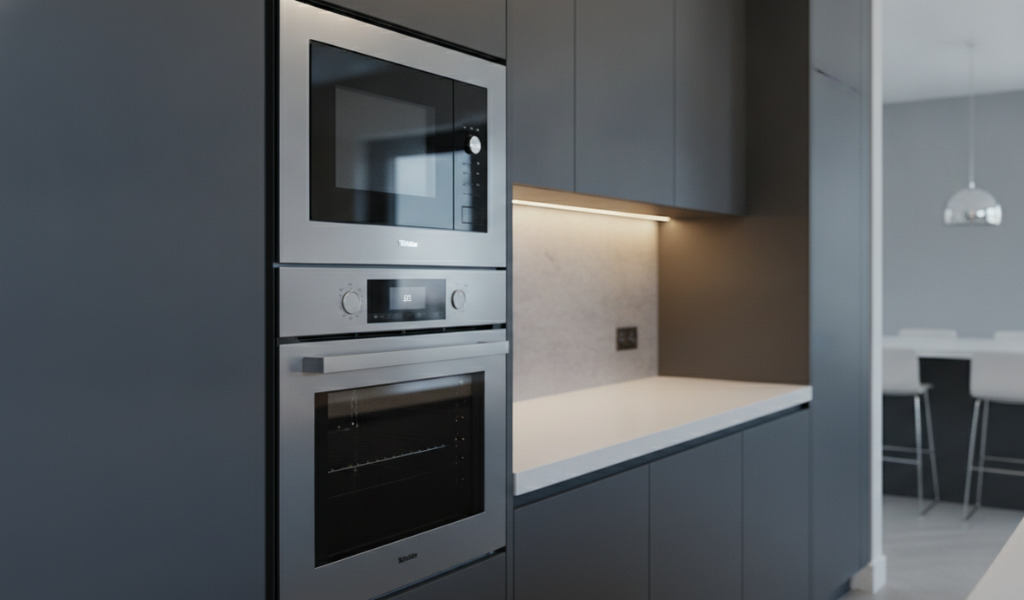
When you step into a modern kitchen, you are likely to see a variety of cooking tools. Choosing between a microwave vs. oven is a common dilemma for anyone outfitting a new home or upgrading their appliances. Both deliver delicious results, but they serve very different purposes depending on your cooking style, time constraints, and recipe preferences.
You might rely on one for quick reheating and the other for weekend meal prep. Understanding the strengths and limitations of both appliances helps you make informed choices about how to prepare your food. By learning how these machines heat your meals, you can save time, reduce your energy bills, and get better-tasting results.
This guide will break down everything you need to know about these two essential kitchen appliances. You will learn the mechanics behind how they work, the pros and cons of each, and how to choose the right appliance for your specific culinary needs.
A microwave heats food using electromagnetic waves and is best for reheating, defrosting, and fast cooking. An oven heats food using hot air and is best for baking, roasting, browning, and cooking large meals. Microwaves are faster and more energy-efficient, while ovens provide better texture, crispness, and flavor.
Before comparing specific features, it helps to establish exactly what a microwave and an oven are.
Microwaves are compact appliances designed to cook or reheat smaller portions of food quickly. They are ideal for everyday tasks like melting butter, popping popcorn, or warming up leftovers from the night before. Because of their size, they often sit on a countertop or are mounted over a range.
Ovens, on the other hand, are large appliances designed to bake, broil, or roast sizable meals. They typically use electric or gas heating elements to raise the temperature of the air inside the appliance cavity. This dry, ambient heat is ideal for creating a crispy exterior and sealing moisture into foods like whole roasted chickens, artisan breads, and layered cakes.
If you want to understand the speed of modern cooking, you might ask: how does a microwave work?
Microwaves utilize electromagnetic radiation to heat your food. Inside the appliance, a component called a magnetron generates microwave frequencies. These electromagnetic waves bounce around the metal interior and pass through your food.
The heating process: When these waves enter your food, they cause water molecules inside the food to vibrate rapidly. This vibration generates friction, which produces heat. Because the heat is generated directly within the food itself, the cooking process happens much faster than most other traditional methods.
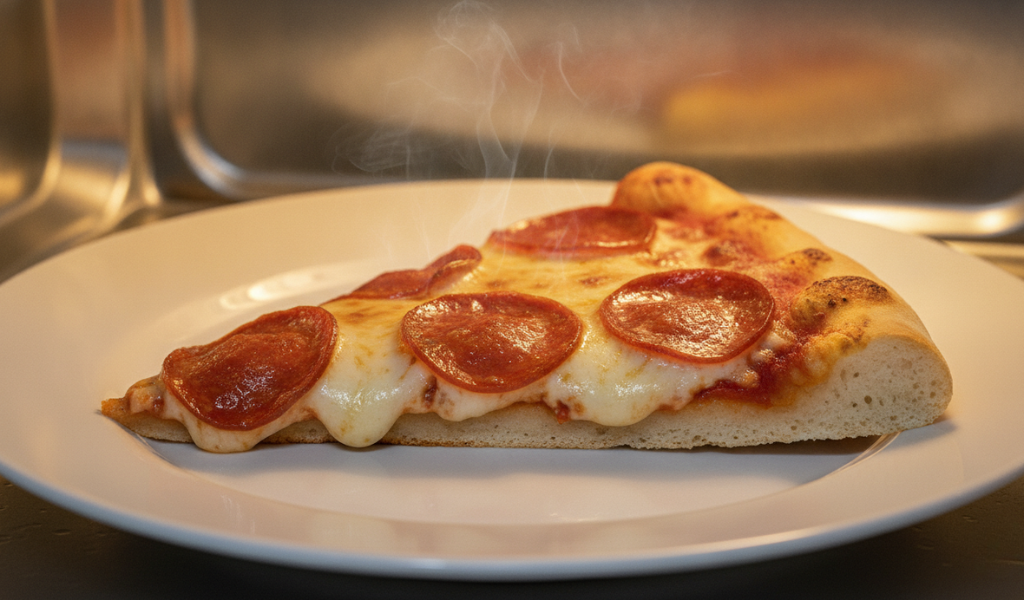
The downside: Because standard microwaves rely on vibrating water molecules rather than hot ambient air, they do not get as hot as traditional appliances. This means they are unable to brown or crisp the outside of your food without specialized features. Reheating a slice of pizza in a standard microwave, for example, will make the cheese hot and melted, but it will often leave the crust soft rather than crispy.
When you turn the appliance on, you might want to know What is a Microwave Oven. Conventional ovens use radiant heat generated by electric coils or gas burners located at the top and bottom of the oven cavity and these elements heat the air inside the insulated box to your desired temperature.
The heating process: The hot air surrounds your food, slowly transferring heat from the outside in. This method of cooking takes more time, often requiring an average of 12 to 15 minutes just to preheat to 350°F. However, this dry, ambient heat is exactly what allows food to develop a browned, crispy exterior.
The downside: The dish closest to the active heating element will cook the fastest. Because standard ovens do not circulate the air, you can sometimes experience uneven cooking depending on which rack you use. You also have to wait longer for your meals, making this method less convenient for a quick weeknight dinner.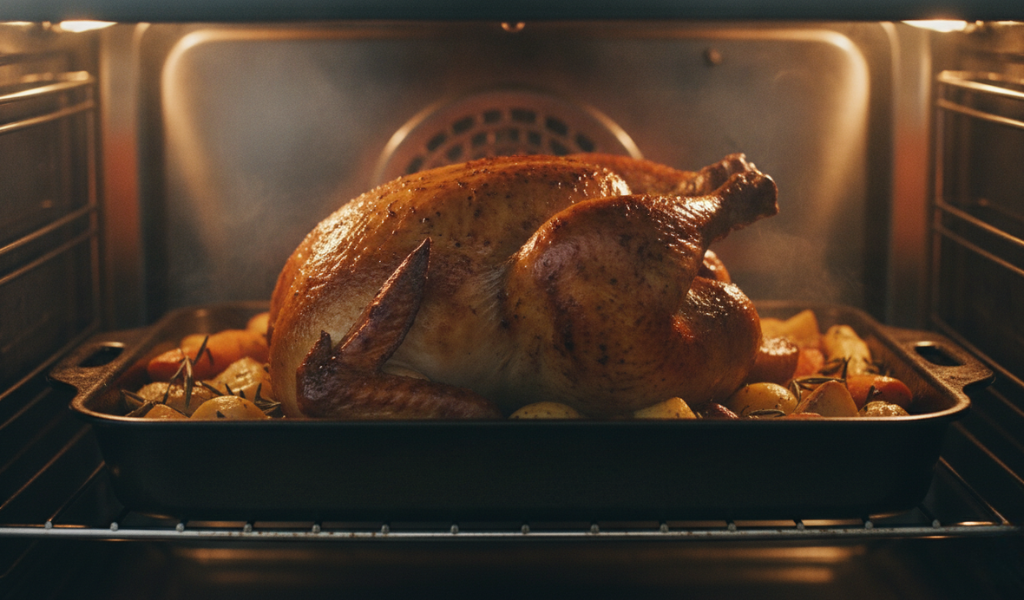
When deciding between a microwave vs. oven for a specific recipe, you need to understand how their distinct heating methods impact your cooking experience.
Cooking Speed and Preheat Time
Microwaves cook food rapidly and require zero preheat time. The speed of a microwave depends on its wattage power. Higher wattage means faster cooking. Most home microwaves range between 1,000 and 1,200 watts. Ovens require significant preheating time and cook food much more slowly, making them better suited for recipes that require slow, steady heat.
Appliance Capacity
Microwaves are built for small jobs. They typically range in capacity from 1.1 to 2.2 cubic feet. Ovens offer a massive amount of space, making them perfect for large families or holiday gatherings. A single wall oven typically ranges from 2.3 to 6.3 cubic feet, while double ovens can offer up to 10 cubic feet of cooking space.
Price and Investment
Pricing varies widely based on size, brand, and features. A basic countertop microwave can cost around $50, while advanced models can range from $300 to over $800. Ovens are a much larger financial investment. A full-sized range or wall oven typically starts around $700 and can easily exceed $2,800 for high-end or double-wall models.
Energy Efficiency
Because they cook faster and have a much smaller cavity to heat, microwaves generally use less energy than ovens. If you only need to bake a single potato, using the microwave will keep your energy bills lower and prevent your kitchen from heating up during the summer months.
Microwaves are excellent appliances for convenience. They fit perfectly into busy lifestyles where time is limited.
Talk to your local appliance dealer if you are unsure which microwave size fits your kitchen layout best.
While they require more time and patience, ovens are essential for traditional cooking and baking.
Appliance technology continues to evolve, blurring the lines between a traditional microwave and an oven.
Convection Microwaves
Some high-end microwaves now feature convection cooking capabilities. A convection microwave utilizes a fan to circulate hot air inside the appliance, allowing it to function more like a traditional oven. This means you can actually bake pastries or roast small portions of meat right in your microwave, getting crispy results without turning on your large appliance.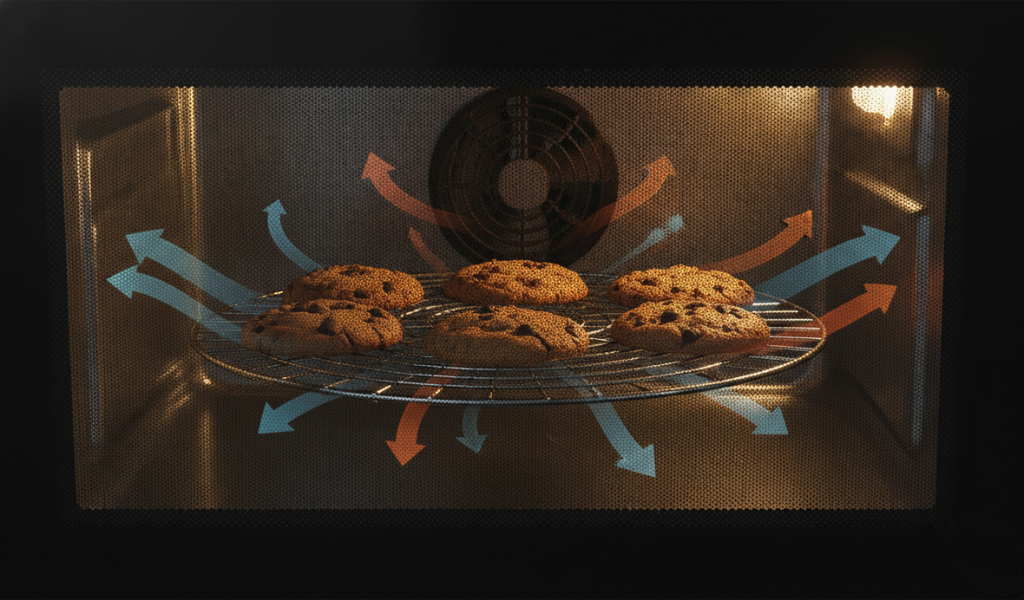
Air Fry and Dual Crisp Features
Many modern wall ovens now come equipped with built-in air fry technology, allowing you to get the taste of fried food with little to no oil. Conversely, some microwaves feature dual crisp elements that combine top-down direct heat with microwave cooking power. This helps brown and crisp foods like frozen french fries or chicken nuggets, solving the traditional microwave problem of soggy leftovers.
You do not necessarily have to choose one or the other. Most modern kitchens benefit from having both appliances.
Choose the microwave when you need speed. If you are heating soup, making oatmeal, or steaming broccoli, the microwave is the most efficient tool for the job. It will save you time and keep your kitchen cool.
Choose the oven when texture and volume matter. If you are baking a batch of cookies, roasting a large turkey, or trying to achieve a crispy crust on a homemade pizza, the oven is the only appliance that will give you the results you want.
If you are trying to adapt a recipe, a common guideline is to start with roughly one-quarter of the oven cooking time, then adjust based on food type, quantity, and microwave wattage.
For example, a potato that takes 60 minutes in the oven will generally take about 15 minutes in the microwave. However, be aware that the texture will be entirely different.
Both microwaves and ovens play vital roles in daily food preparation. By understanding the electromagnetic speed of the microwave and the radiant, dry heat of the oven, you can make smarter choices about how you cook.
Assess your current kitchen setup and cooking habits. Do you find yourself constantly waiting for the oven to preheat just to warm up a snack? An upgraded microwave might be in order. Are you frustrated that your baked goods are cooking unevenly? It might be time to look into a new convection oven.
If you are ready to upgrade your kitchen, visit your local appliance retailer to browse the latest models and find the perfect fit for your culinary lifestyle.
Can a microwave be used as an oven?
Standard microwaves cannot be used as traditional ovens because they do not utilize ambient heat. However, if you purchase a convection microwave, it will use an internal fan to circulate hot air, allowing you to bake, broil, and roast small items just like you would in an oven.
What is the oven to microwave time conversion?
While it varies by the wattage of your appliance, a general rule of thumb is to divide the total oven cooking time by four. Always check your food frequently when converting a recipe to ensure it does not overcook or dry out.
Is a microwave oven the same as a microwave?
Yes. The terms “microwave” and “microwave oven” are used interchangeably in the appliance industry. Both terms refer to the exact same appliance that uses electromagnetic waves to heat your food.
Do microwaves ruin the nutritional value of food?
Studies suggest that microwaves actually preserve nutrients better than many other cooking methods. Because microwaves cook food rapidly and require very little water, water-soluble vitamins like Vitamin C are often retained better than if the food were boiled on a stovetop.
Are ovens more expensive to run than microwaves?
Yes. Ovens use significantly more electricity or gas than microwaves. They have to heat a much larger space and must run for a longer period to cook the same amount of food. For small portions, microwaves are much more energy-efficient.