Physical Address
304 North Cardinal St.
Dorchester Center, MA 02124
Physical Address
304 North Cardinal St.
Dorchester Center, MA 02124

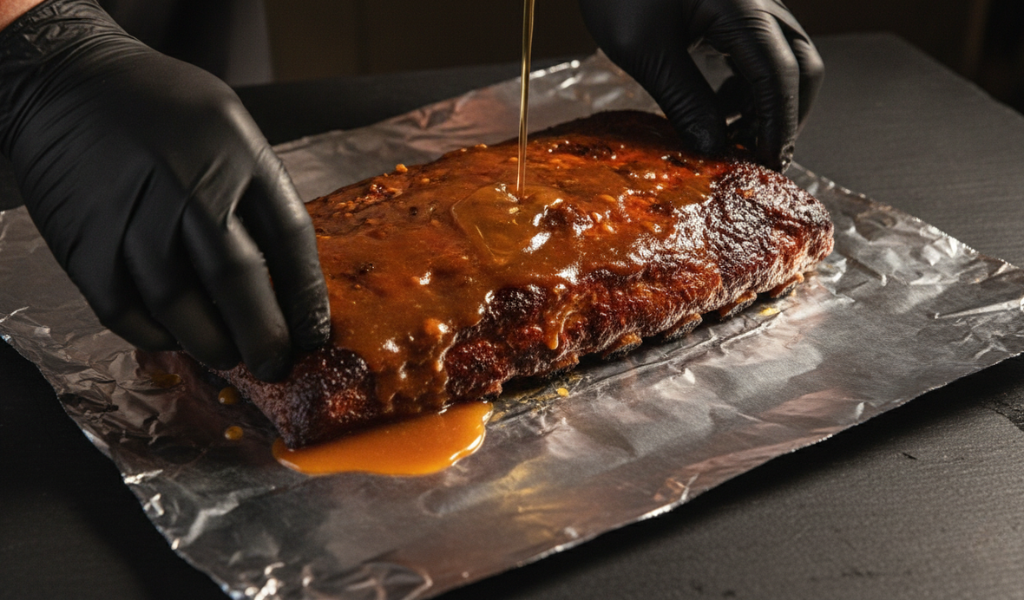
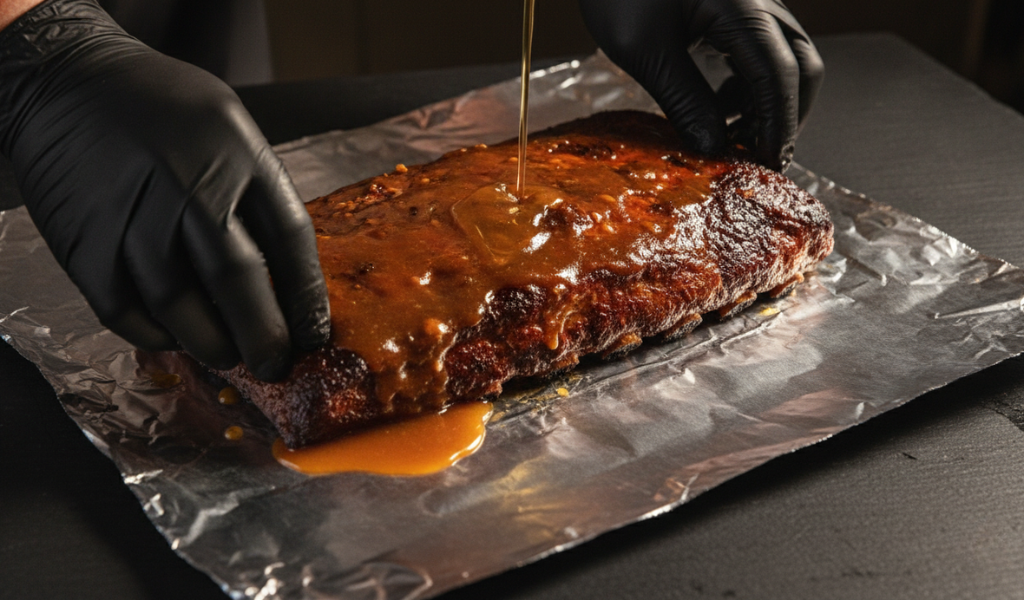
You spent hours smoking or baking the perfect meal, and now you want to know how to reheat ribs without turning them into dry, chewy leather. There is nothing quite as disappointing as taking leftover, mouth-watering barbecue and ruining it the next day with a bad reheating job. We all want to experience that same tender, fall-off-the-bone goodness we enjoyed the night before.
This guide will walk you through everything you need to know about warming up your leftover pork or beef ribs. You will learn the exact steps to keep your meat moist, the best kitchen tools for the job, and how to avoid the common mistakes that ruin good barbecue. By the time you finish reading, you will be ready to enjoy your leftovers just as much as the main event.
You might think warming up food is just about putting it on a hot plate or throwing it in a machine until it steams. But what is reheating, really? In the culinary world, reheating is the careful process of bringing cooked food back to a safe and enjoyable temperature without altering its original texture or flavor.
When you cook raw meat, the proteins change shape and fat renders down. When that meat cools in your refrigerator, the fat solidifies and the moisture settles. Reheating is the delicate task of melting that fat back down and waking up the flavors without accidentally cooking the meat a second time. If you apply too much heat too fast, you will force the remaining moisture out of the meat. This leaves you with a tough, unappetizing meal. Understanding this gentle process is the secret to perfect leftovers.
If you rush the warming process, you will quickly find out why it’s important to reheat BBQ ribs the correct way. First and foremost, you want to preserve the amazing flavor and tenderness of your original cook. Good barbecue takes time, love, and high-quality ingredients. Ruining that hard work with a blast of unchecked heat is a culinary tragedy.
Second, proper heating guarantees food safety. Leftover meat needs to reach an internal temperature that prevents any risk of foodborne illness. Heating your food evenly ensures you do not eat cold spots where bacteria might thrive.
Finally, doing this the right way protects the texture. The goal is to keep the smoky, saucy exterior intact while making the inside warm and succulent. Taking a few extra minutes to choose the right method will make your leftovers taste like they just came off the smoker.
Ask any barbecue expert, and they will tell you that the oven is the best way to reheat ribs. This method gives you total control over the temperature and allows the meat to warm up slowly.
Here is how you do it:
Start by preheating your oven to a low temperature of 250°F (120°C). You want gentle heat, not a blazing fire. Next, tear off a large sheet of heavy-duty aluminum foil. Place your leftover ribs right in the center of the foil.
Before you wrap them up, add a small splash of liquid. You can use apple juice, beef broth, or a simple mixture of water and barbecue sauce. This liquid is your secret weapon. When the foil pouch heats up, the liquid turns into steam, trapping moisture inside and keeping the meat incredibly juicy.
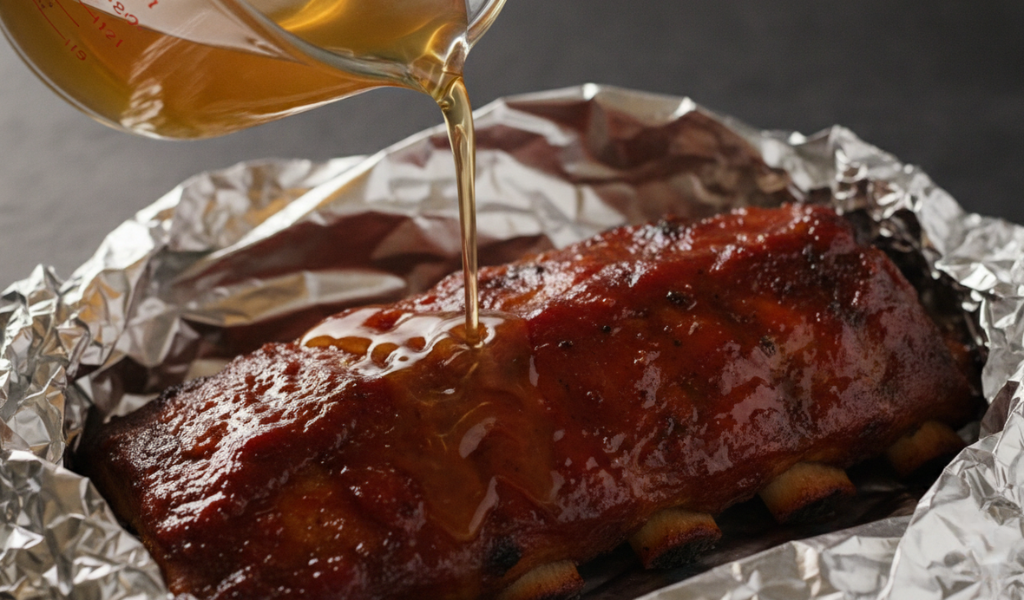
Seal the foil tightly so no steam can escape. Place the pouch on a baking sheet and put it in the oven. Let the meat warm up for about 25 to 30 minutes. The exact time will depend on how thick your cuts are. If you want a slightly sticky, caramelized crust, open the foil for the last five minutes of heating and turn the oven temperature up to 350°F (175°C).
Sometimes you want that authentic outdoor flavor to shine through again. Grilling is a fantastic option if you want to bring back a beautiful char and a deep, smoky taste.
First, fire up your grill and set it to medium heat, which is roughly 300°F. Just like the oven method, you will want to wrap your meat in an aluminum foil pouch. Add a splash of apple cider or extra BBQ sauce to the foil before sealing it tight.
Place the foil packet onto the grill grates. Let it sit there for about 15 to 20 minutes, turning it once halfway through. This slow warm-up gets the inside of the meat hot without burning the outside. After the time is up, carefully open the foil pouch. Use tongs to place the ribs directly onto the grill grates. Let them sizzle over direct heat for about 5 minutes per side.
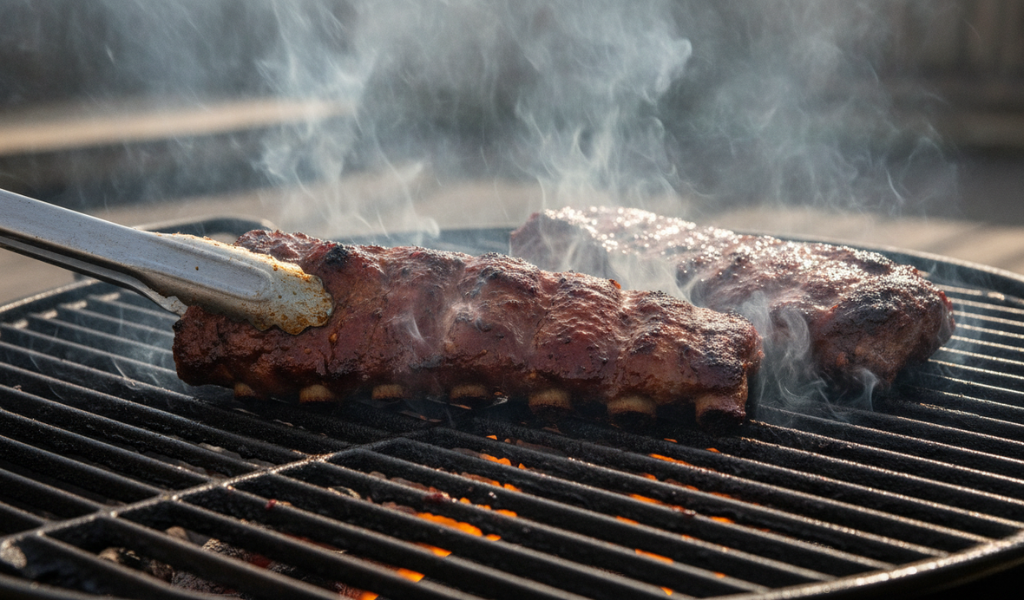
This final step caramelizes the sugars in the sauce, giving you perfectly sticky edges.
We all have busy days where waiting 30 minutes for the oven just is not possible. You can microwave ribs, but you must do it carefully to avoid creating a rubbery mess.
To start, place your leftovers on a microwave-safe plate. Do not just hit the start button and walk away. You need to create a damp environment to stop the meat from drying out. Wet a paper towel, wring out the excess water, and drape it directly over the meat. Alternatively, you can use a microwave-safe lid to trap the steam.
Set your microwave to medium power. Heating the meat on high power is the most common mistake people make. Warm the food in short bursts of 30 to 45 seconds. Check the temperature after each interval. By taking your time and using a damp paper towel, you keep the meat soft and enjoyable.
Steaming is a highly underrated method for warming up barbecue. It sounds unusual, but it is incredibly effective for keeping pork or beef soft.
To try this, grab a large pot and a steamer basket. Add a few inches of water or apple juice to the bottom of the pot. Make sure the liquid does not touch the bottom of the steamer basket. Bring the liquid to a gentle simmer on your stovetop.
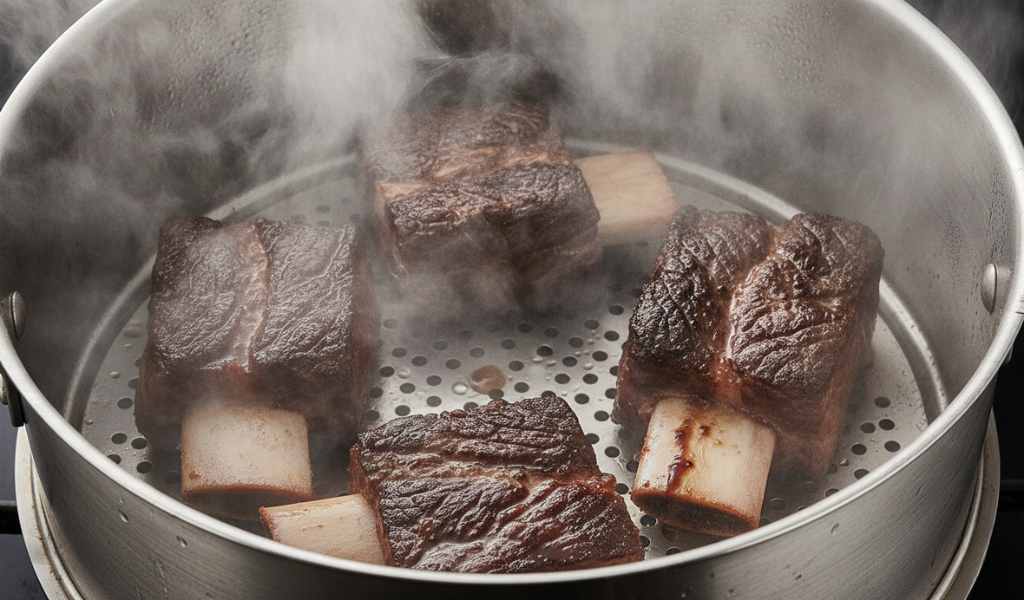
Place your meat into the basket and put a tight-fitting lid on the pot. Let the steam work its magic for about 5 to 10 minutes. The hot moisture surrounds the meat, heating it rapidly while preventing any dryness. You will be amazed at how succulent the meat becomes using this simple trick.
You can use the best equipment in the world, but if you ignore the basic rules of moisture retention, you will still end up with a dry meal. Here are a few real-life insights to keep in mind.
Always use foil when dealing with dry heat. Ovens and grills pull moisture out of food. A tight foil wrapper acts like a protective shield.
Never skip the liquid. A single tablespoon of apple cider vinegar, broth, or water makes a massive difference. When my family hosts summer cookouts, we always save a little bit of the original mop sauce specifically for the leftovers the next day.
Watch your temperatures. High heat is the enemy of leftovers. Gentle, low heat ensures the outside does not burn before the inside gets warm.
Great leftovers start the moment you finish your initial meal. If you leave your food sitting on the kitchen counter for hours, it will dry out and become unsafe to eat.
You must store your leftover BBQ ribs in the refrigerator within two hours of serving. Wrap the meat tightly in plastic wrap or aluminum foil.
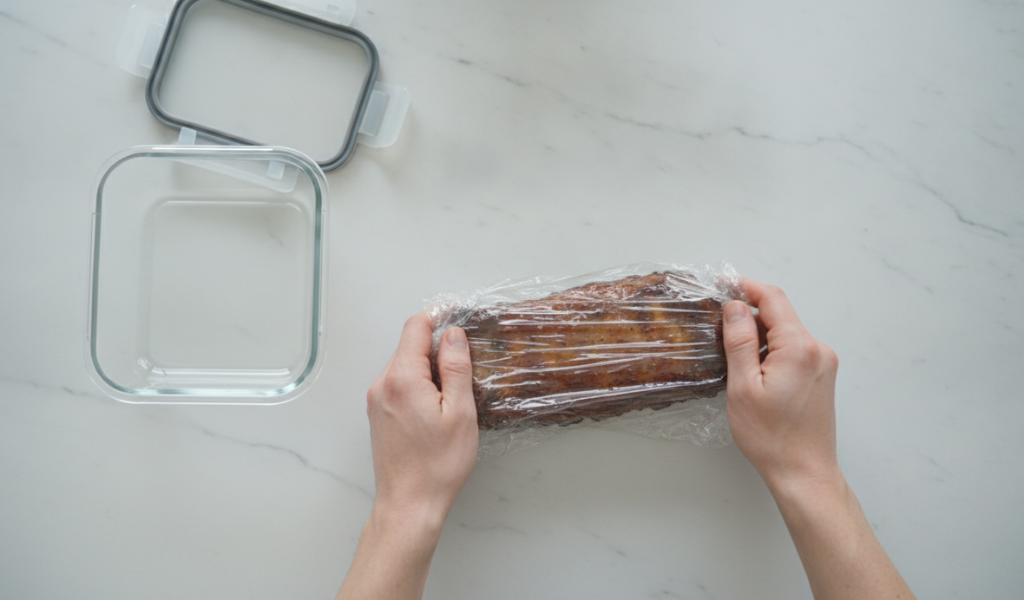
Once wrapped, place the meat inside an airtight container or a heavy-duty resealable plastic bag. This double layer of protection stops cold air from drying out the food and keeps your fridge from smelling like a smokehouse.
Your food will stay fresh in the refrigerator for three to four days. If you want to keep it longer, place the airtight bag in the freezer, where it will last for a few months. Just remember to let frozen meat thaw in the refrigerator overnight before you try to warm it up.
Let us say you made a mistake and left your food uncovered in the fridge, and now it looks incredibly dry. Do not throw it away just yet. You can still save it.
To revive dry meat, you need to introduce heavy moisture before applying heat. Brush a generous layer of beef broth, melted butter, or sweet barbecue sauce all over the meat. Wrap the coated meat tightly in foil and let it sit for about ten minutes before you heat it. This allows the dry fibers to absorb some of the liquid. When you finally place the foil pouch in a low-temperature oven, the extra moisture will steam the meat back to life.
Reheating your favorite barbecue should not feel like a gamble. By choosing a low and slow method, utilizing aluminum foil, and adding a splash of tasty liquid, you can recreate the magic of your original cookout. Try the oven method for the most reliable results, or fire up the grill if you miss that smoky char.
The next time you host a cookout, make sure you cook a little extra. Now that you know how to handle the leftovers, you can enjoy a delicious, hassle-free meal the very next day. Do you have a favorite sauce or secret trick you use for your leftovers? Share this guide with your friends and let them know your secret to the perfect second-day barbecue!
Pork cuts, specifically baby back or spare ribs, tend to reheat the best. They have a slightly higher fat content than beef, which helps them stay moist and juicy when warmed up the next day.
While it is technically safe if you follow proper cooling and heating guidelines, you should avoid warming up meat multiple times. Every time you heat the meat, it loses moisture and flavor. It is much better to only heat the exact portion you plan to eat right then.
No, you should leave the meat on the bones. The bones actually help conduct heat evenly throughout the meat and assist in retaining the natural moisture.
If you wrap them tightly in foil or place them in an airtight container, your leftovers will stay fresh and safe to eat for three to four days in the fridge.
Yes. Brushing a layer of your favorite sauce on the meat before warming it adds a barrier of moisture. As the food heats up, the sauce caramelizes and prevents the meat fibers from drying out.
You can use an air fryer if you want crispy edges. Set the air fryer to 350°F (175°C) and heat for about 3 to 5 minutes. Be very careful, as the circulating hot air can dry out the food extremely fast if left in too long.
Trust your senses. If the meat has a sour smell, a slimy texture, or a grayish-green color, it is no longer safe to eat. Discard it immediately to avoid foodborne illness.