Physical Address
304 North Cardinal St.
Dorchester Center, MA 02124
Physical Address
304 North Cardinal St.
Dorchester Center, MA 02124

Few things beat sitting down to a plate of warm, tender crab legs. But if you’ve ever pulled leftover crab out of the fridge and ended up with rubbery, dried-out meat, you know how easily a good thing can go wrong. The good news? Learning how to reheat crab legs the right way is simple once you know a few key tricks.
Crab legs are often sold pre-cooked, which means you’re usually reheating rather than cooking from scratch. That changes everything. Reheat them too long or too hot, and you’ll lose the sweet, delicate flavor that makes crab worth the splurge. Reheat them gently, and they’ll taste almost as fresh as the day they were caught.
In this guide, you’ll learn how to reheat crab legs using several easy methods—steaming, boiling, baking, and microwaving. You’ll also pick up tips on handling fresh crabs, working with frozen crab legs, and reheating food safely so every bite is both delicious and safe to eat.
Crab legs are best reheated by steaming for 6–8 minutes, which keeps the meat moist and prevents it from drying out. You can also reheat crab legs by boiling, baking, or microwaving, but gentle heat and added moisture are essential for preserving flavor and texture.
Yes, you can reheat crab legs—and most of the time, that’s exactly what you should do. Most crab legs sold in stores are already cooked and then flash frozen, so warming them up is more about gentle reheating than full cooking.
The key is to add moisture and use low, steady heat. Crab meat is lean and delicate. Without a little water or steam, it dries out fast. That’s why methods like steaming and boiling tend to work better than dry heat alone.
Once your crab is warmed and ready, try to enjoy it right away. If you cook it and don’t eat it, you can refrigerate the shelled meat safely for up to 24 hours. After that, both the taste and texture start to fade.
Not all crab starts in the same place, and that affects how you handle it.
Fresh crabs: If you live near the coast or have access to a good seafood market, fresh crab is a real treat. The cooking process is simple—fresh crab just needs hot steam to cook through. There’s no reheating involved because you’re starting from raw.
Frozen crab legs: Most of us buy frozen crab legs, usually king crab or snow crab. These are flash frozen soon after cooking, which locks in flavor and keeps them close to fresh. When you warm these up, you’re technically reheating them, since they were already cooked before freezing.
You don’t always need to thaw frozen crab legs before reheating. If your pot is big enough to hold them, you can steam them straight from frozen—just add a few extra minutes to the cooking time. If they’re too long to fit, thaw them first.
How to thaw crab legs: Place them in an airtight container and refrigerate overnight. In a hurry? Set them in a colander and run cold water over them until they soften enough to bend and fit your pot.
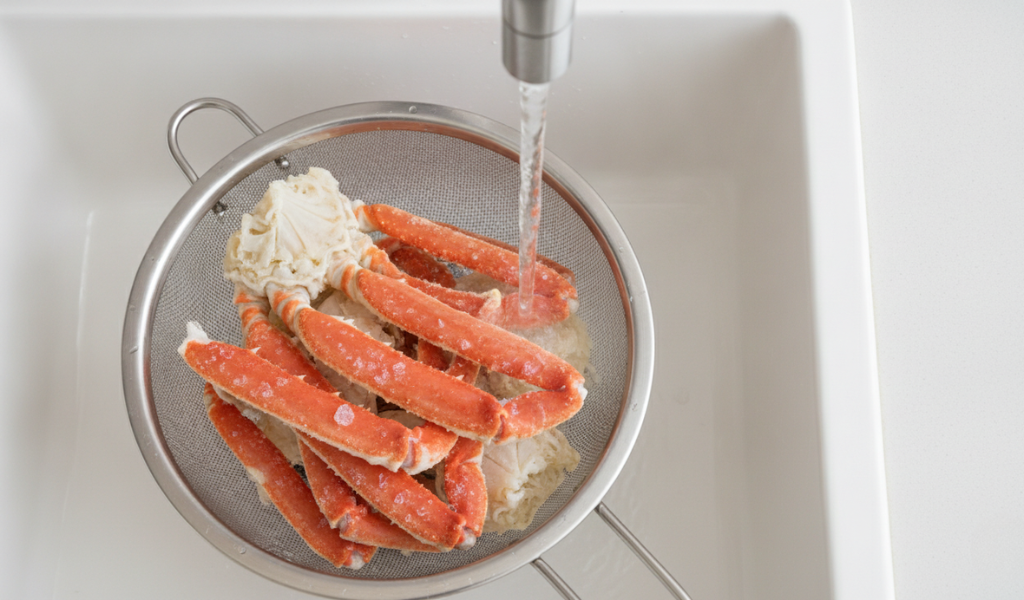
Steaming is the best way to reheat crab legs. It keeps the meat moist and warms it evenly without overcooking.
Here’s how to do it:
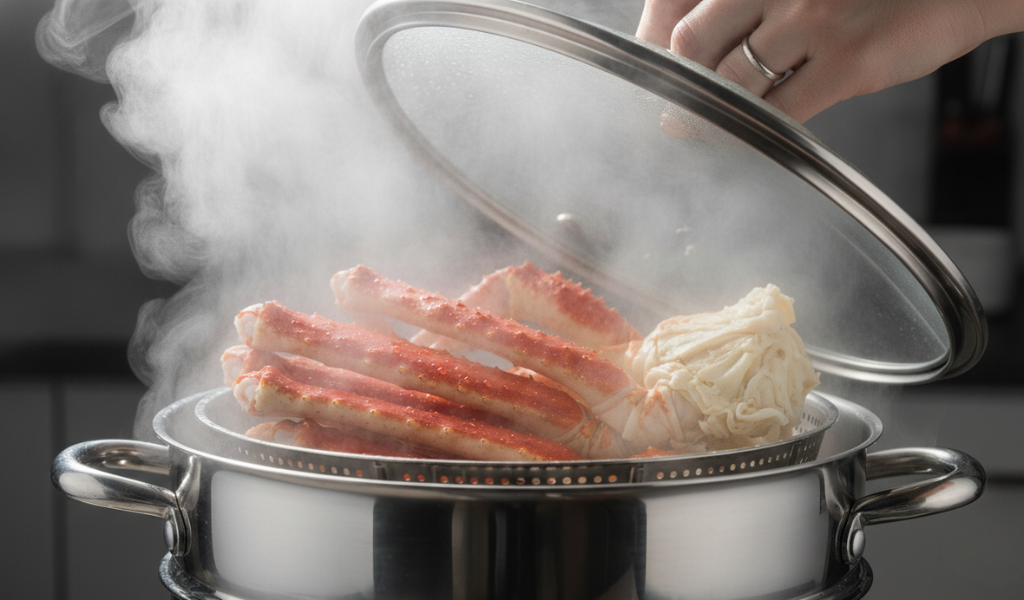
If you’re steaming from frozen, lean toward the longer end of that range. You want the meat hot all the way through. When it smells fragrant and feels warm to the touch, it’s ready.
Boiling is a solid backup if you don’t own a steamer. It works especially well for thawed snow crab legs.
To boil your crab legs:
One note here: boiling works fine for snow crab, but it isn’t the best choice for king crab. King crab legs are large and meaty, and boiling can wash out some of their flavor. For king crab, steaming or baking gives you a better result.
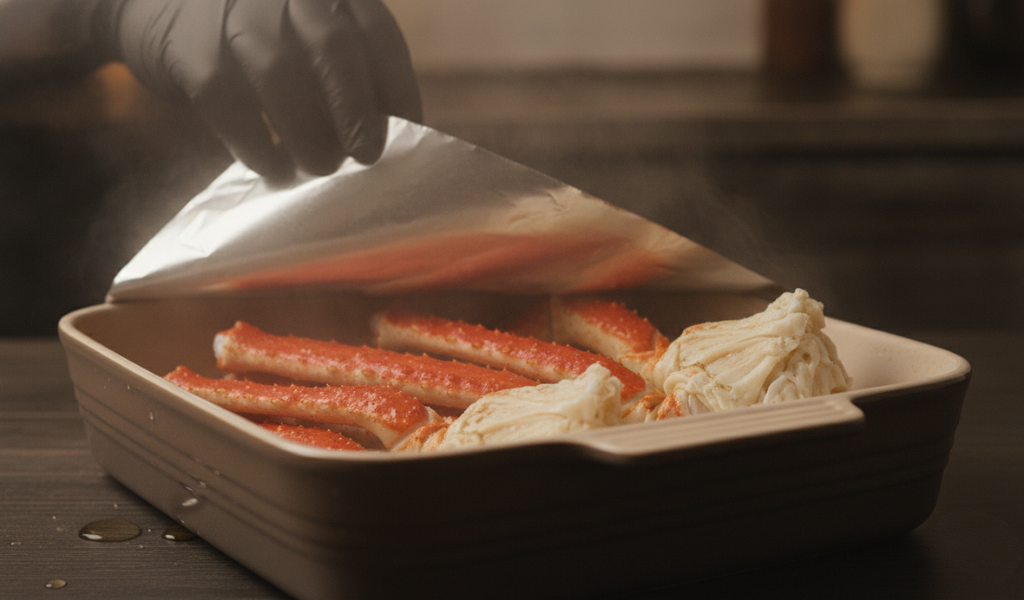
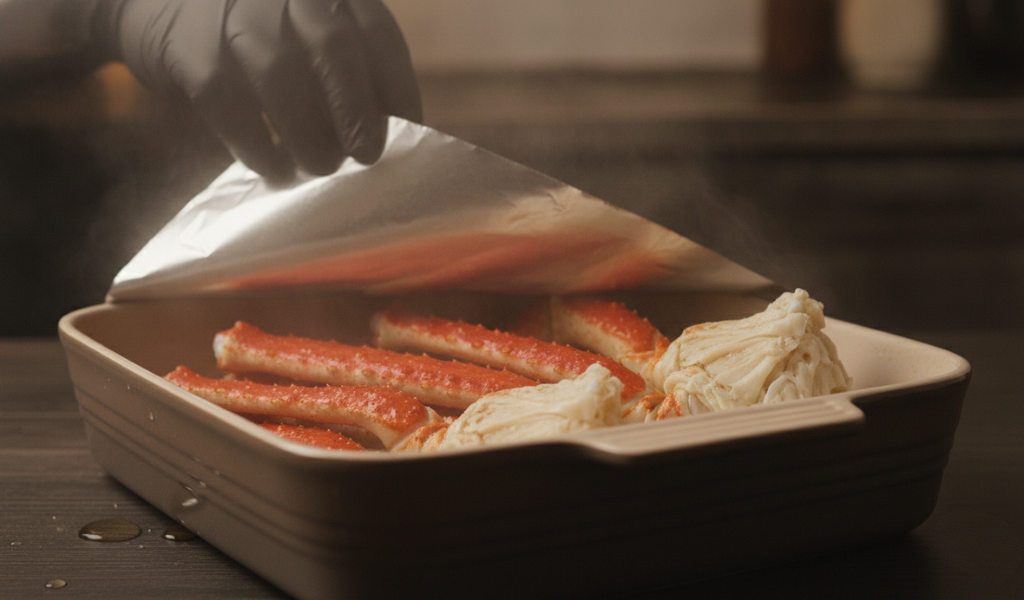
Baking is a great hands-off method, especially if you’re warming up a big batch for a group. It uses gentle heat and a little water to keep the meat tender.
Here’s how to bake crab legs:
The foil does the heavy lifting here. It turns your oven into a makeshift steamer, so the crab warms up without losing moisture.
The microwave is the fastest option, and it works in a pinch. The trick is to add water and keep a close eye on the timing so the meat doesn’t turn rubbery.
To microwave crab legs:
Microwaves heat unevenly, so check the meat partway through. If some pieces feel hot while others stay cool, rearrange them and give them another short burst.
Reheating food safely matters just as much as getting the taste right. Crab is seafood, and seafood needs careful handling to stay safe to eat.
Keep these points in mind:
These habits protect both your meal and your health. A little caution goes a long way with seafood.
Once your crab legs are hot, it’s time to get to the meat. Working quickly helps, since meat left sitting in the shell can start to cling and become harder to remove.
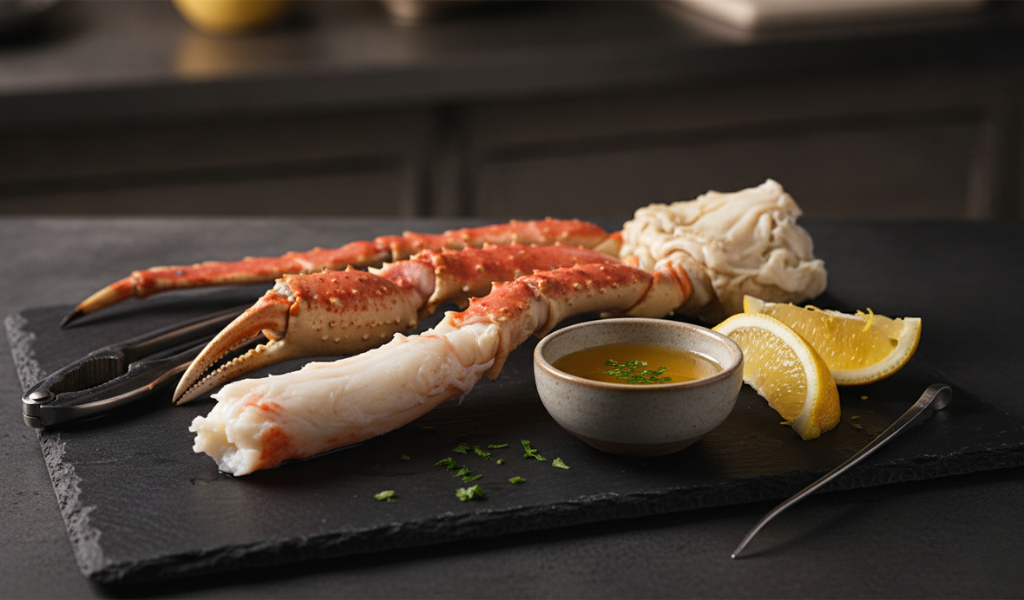
Follow these steps:
Serve your crab with fresh lemon wedges and a side of warm drawn butter. That simple combination lets the sweet, natural flavor of the crab shine.
Crab legs are a treat in any season, and reheating them well makes the difference between a memorable meal and a disappointing one. The golden rule is gentle heat plus a little moisture. Steaming is your safest bet, but boiling, baking, and microwaving all work when you follow the steps.
Just as important, handle your crab with care. Keep it cold until you’re ready, watch for any ammonia smell, and never let cooked seafood sit out too long. Reheating food safely keeps every meal both tasty and worry-free.
Ready to give it a try? Pick your method, grab some lemon and butter, and enjoy crab legs that taste like they came straight from the sea. For more easy seafood tips, explore our other cooking guides and keep building your kitchen skills.
Can you reheat crab legs more than once?
It’s best not to. Each reheat dries out the meat and increases the chance of bacteria growing. Warm up only the portion you plan to eat in one sitting.
Do you need to thaw frozen crab legs before reheating?
Not always. If your pot is large enough to hold them, you can steam frozen crab legs straight from the freezer—just add a few extra minutes. If they’re too long to fit, thaw them in the fridge overnight or under cold running water first.
How long do crab legs last in the fridge after cooking?
Cooked, shelled crab meat keeps safely in the fridge for up to 24 hours. For the best taste and texture, eat it as soon as you can.
What’s the best way to reheat crab legs without drying them out?
Steaming is the top choice. The gentle, moist heat warms the meat evenly while keeping it tender. Adding water to any method—boiling, baking, or microwaving—also helps lock in moisture.
How can I tell if crab legs have gone bad?
Trust your nose. Spoiled seafood smells like ammonia, and that odor grows stronger as it heats. If you catch that smell, throw the crab out and don’t eat it.
Can you boil king crab legs?
You can, but it isn’t ideal. Boiling can wash out some of king crab’s rich flavor. Steaming or baking gives you better results with those big, meaty legs.
What should I serve with reheated crab legs?
Fresh lemon wedges and warm drawn butter are the classic pairing. They bring out the crab’s natural sweetness without covering it up.
Is It Safe to Reheat Crab Legs?
Yes, it is safe to reheat crab legs if they have been stored properly in the refrigerator and heated thoroughly before serving. Avoid reheating crab legs more than once, and discard any seafood that develops an ammonia-like odor.