Physical Address
304 North Cardinal St.
Dorchester Center, MA 02124
Physical Address
304 North Cardinal St.
Dorchester Center, MA 02124

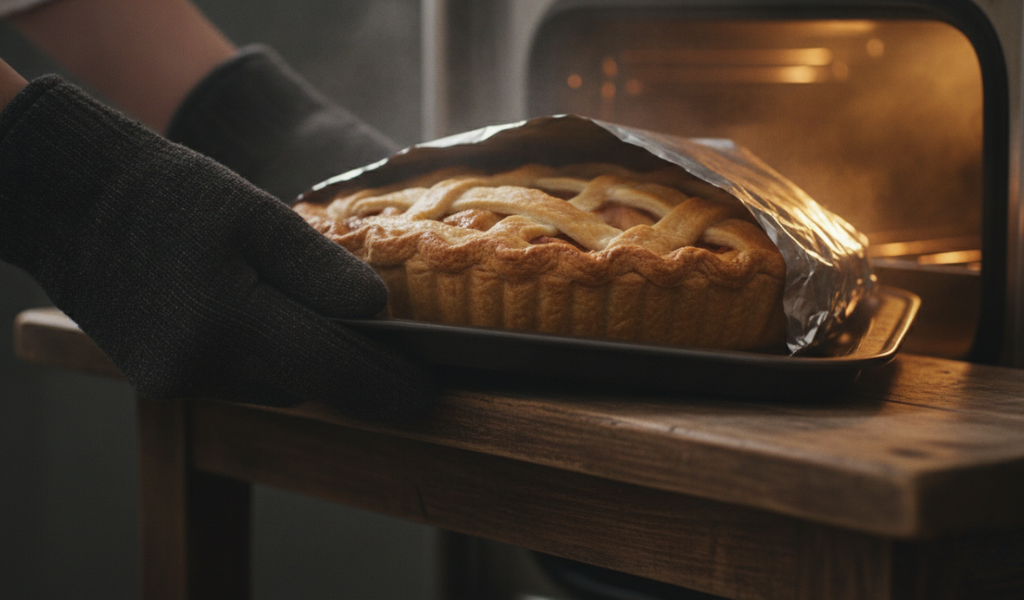
There’s something genuinely satisfying about a leftover pie. The filling has had time to settle, the flavors have deepened, and all that stands between you and a perfect slice is knowing how to reheat it correctly. Get it wrong, and you end up with a soggy bottom, a burnt crust, or a filling that’s still cold in the middle. Get it right, and it tastes almost as good as the day it came out of the oven.
Knowing how to reheat a pie properly comes down to understanding two things: the type of pie you’re working with, and the method that suits it best. A fruit pie behaves very differently from a pumpkin pie in the oven. A single slice behaves very differently from a whole pie in the microwave. These differences matter, and once you understand them, reheating leftover pie becomes a straightforward process rather than a guessing game.
This guide walks you through every method, every pie type, and every common mistake — so you can serve a warm, delicious slice every time.
The best way to reheat a pie is in a preheated oven at 350°F (175°C) for 15–30 minutes, depending on its size and type. Using a loose foil tent helps prevent the crust from burning while allowing the filling to heat evenly. For single slices, a microwave can be used, but the oven provides the best texture and flavor.
Not every pie is a good candidate for reheating. Before you preheat the oven, it helps to know which pies hold up well to heat and which ones are better served straight from the fridge.
Fruit pies — like apple, cherry, and blueberry — are the most forgiving. They reheat well in the oven and can handle a range of temperatures without falling apart. The main thing to watch is the bottom crust, which can go from flaky to soggy if you’re not careful.
Nut pies, including pecan pie, can be enjoyed warm or at room temperature. If you plan to reheat a nut pie, try to do so within a week of baking. Beyond that, the filling can begin to crystallize and the texture suffers.
Pumpkin pie is a slightly different case. It tastes great cold, and many people prefer it that way. That said, you can reheat pumpkin pie successfully if you work gently and avoid high heat. Aim to eat it within four to five days of baking — after that, the filling tends to separate from the crust and the texture declines.
Cream pies — think custard, banana cream, or coconut cream — should not be reheated. These pies are designed to be served cold, and heat will cause the filling to break down and separate. Store them in the fridge and serve chilled.
As a general rule: fruit pies within four days, nut pies within seven days, and pumpkin pies within four to five days.
The oven is the best way to reheat pie — almost without exception. It heats the filling evenly, keeps the crust from turning rubbery, and preserves the texture far better than a microwave. The trade-off is time, but for most pies, 15 to 30 minutes is well worth the result.
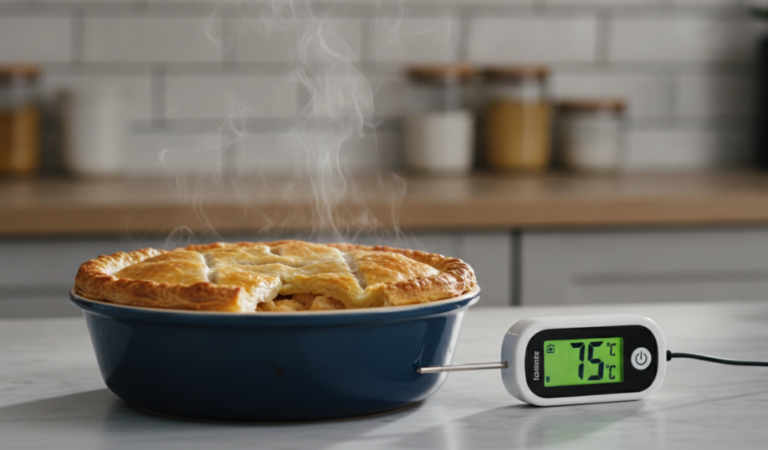
The standard method: preheat your oven to 350°F, cover any exposed filling with a loose foil tent, and heat until the filling just begins to bubble. That bubbling is your signal that the center has reached a safe, even temperature throughout.
The microwave works in a pinch — particularly for a single slice — but it’s not the ideal tool for a whole pie. Microwaves heat unevenly and can turn a flaky pastry crust into something closer to cardboard. If you’re short on time, a quick 20 to 30 seconds on high is fine for one slice. For a whole pie, use the oven.
Apple pie is a classic example of how to reheat a pie the right way. Because it was originally baked in the oven, returning it there gives the best results. The dry, even heat firms up the crust while warming the filling all the way through.
What you’ll need: an oven-safe dish, aluminum foil, and an oven mitt.
Step 1: Take the pie out of the fridge about 20 minutes before reheating. Letting it come closer to room temperature means the oven doesn’t have to work as hard, and the filling heats more evenly.
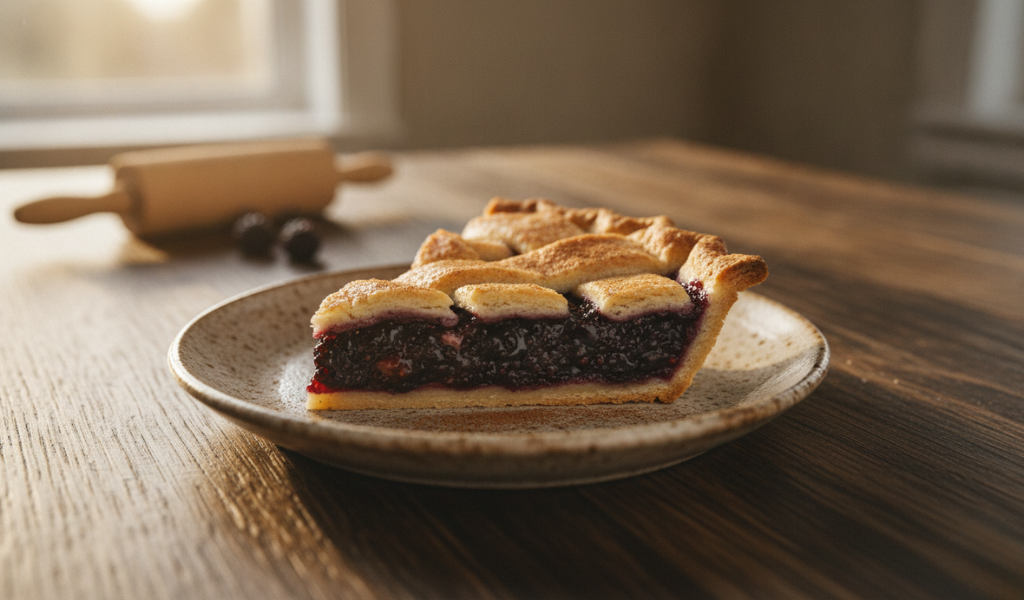
Step 2: Preheat your oven to 350°F. Always put the pie in once the oven is fully preheated — not before. Starting in a cold oven increases the risk of burning the edges before the center warms up.
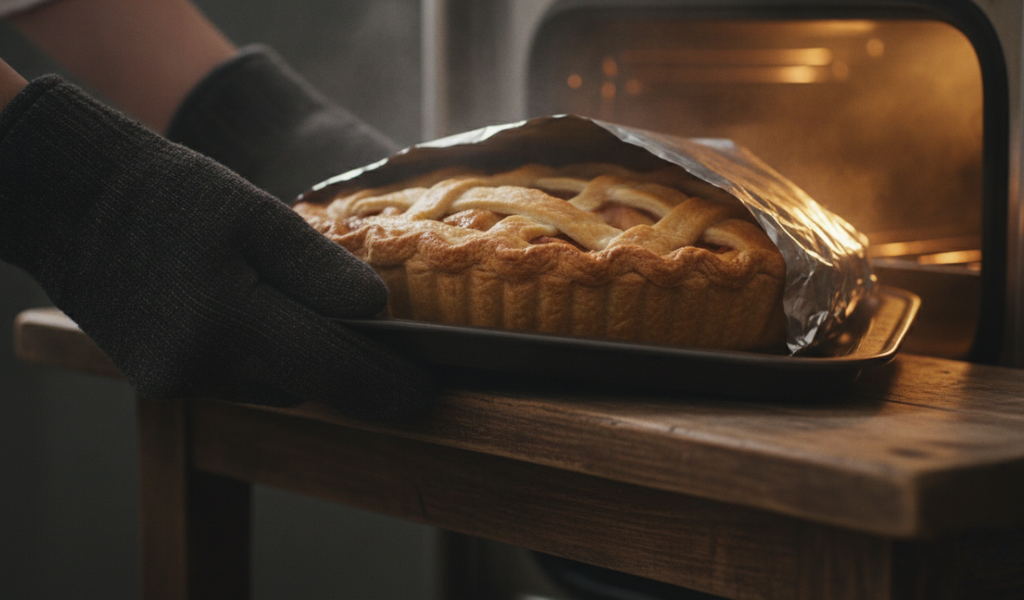
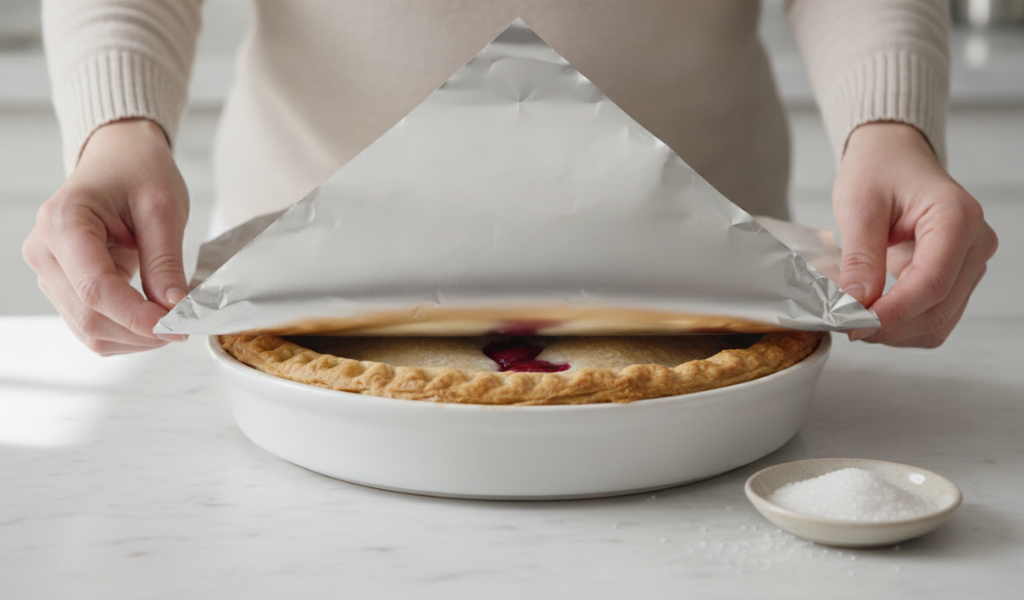
Step 3: If you’re reheating a whole, uncut pie, the crust acts as a natural barrier to hold in moisture. If the pie has been cut and pieces are missing, make a loose foil tent to cover the exposed filling. Fold a piece of foil lengthwise into thirds and clip the ends to form a triangular arch over the pie. Don’t tuck the foil tightly around the dish — that traps too much steam and makes the crust soggy.
Step 4: Place the pie on an oven-safe dish and slide it into the middle or lower rack of the oven.
Step 5: Heat for 15 to 30 minutes, depending on the size of the pie. A deep nine-inch pie needs closer to 20 to 25 minutes. A thinner five-inch pie is usually ready in 12 to 15 minutes. Check it every ten minutes — insert a clean knife into the filling and feel for warmth.
Step 6: Once the filling starts to bubble, remove the foil tent and let the pie sit uncovered for another three to four minutes. This gives the crust a bit of extra crunch.
Step 7: Remove from the oven, let it rest for a few minutes, and serve.
If your apple pie seems a little dry after reheating, try adding a small amount of liquid — a drizzle of honey, a splash of apple juice, or a cinnamon syrup — through a slit in the top crust before it goes in the oven. This keeps the filling moist and adds a small burst of flavor.
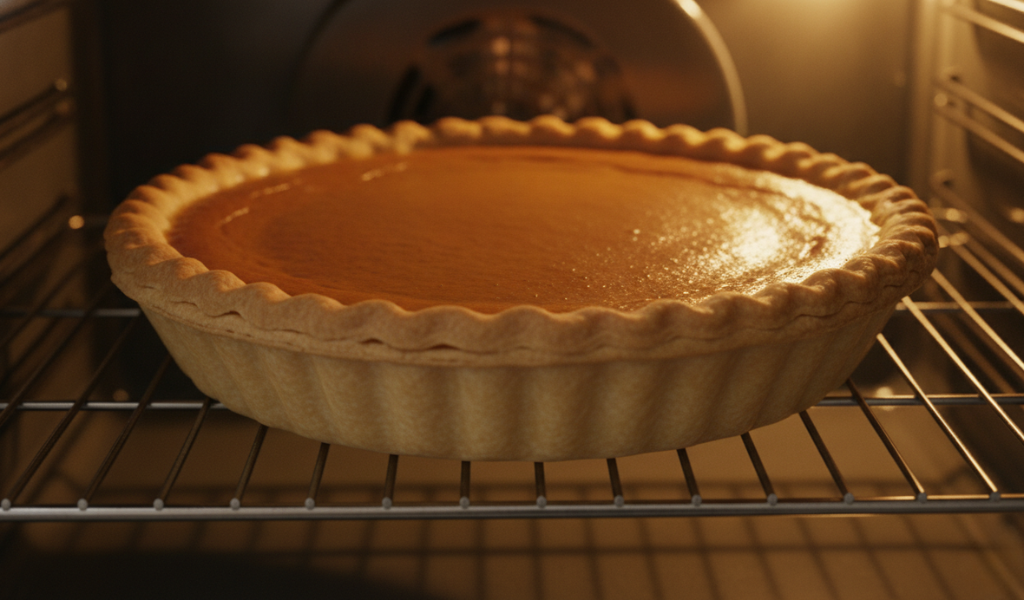
Knowing how to reheat pumpkin pie takes a gentler approach than fruit pie. The custard-style filling can dry out or crack if the heat is too aggressive.
Use a lower temperature than you would for apple pie — around 300°F to 325°F works well. Cover the pie loosely with foil and heat for 10 to 12 minutes. You’re not looking for the filling to bubble here. For pumpkin pie, you simply want it warm throughout, not hot. Check by pressing lightly on the center — it should feel warm to the touch without jiggling.
One important note: reheat pumpkin pie within four to five days of baking. After that, the filling starts to separate from the crust, and you may notice liquid pooling on top. This isn’t harmful, but the texture and flavor won’t be at their best.
The microwave is a reasonable option when you’re only reheating a single slice and don’t want to wait for the oven. For a whole pie, it tends to create uneven results — some spots get hot while others stay cool — so it’s not the first recommendation here.
For a single slice: Place the slice on a microwave-safe plate and heat on full power for 20 to 30 seconds. Check the temperature, and add another 10 seconds if needed.
For a whole pie: Place the pie in a microwave-safe dish and lay two sheets of paper towel or wax paper loosely over the top. This traps enough moisture to prevent the filling from drying out without making the crust soggy. Heat in 30-second intervals, checking after each one. The total time is usually five to ten minutes depending on the pie’s size and starting temperature.
One thing to keep in mind: microwaves are hard on pastry. The starches in pie crust absorb moisture quickly and can turn gummy or tough. If you want a crisper crust after microwaving, pop the pie into a 400°F oven for two to three minutes right at the end.
A frozen pie needs to be thawed before reheating — ideally overnight in the fridge. This slow, gradual thaw keeps the texture intact and avoids the temperature shock that can cause the filling to become watery.
If you didn’t plan ahead, place the frozen pumpkin pie or fruit pie (still in its foil tent) into the oven while it preheats, starting the oven at a low 200°F. Once preheated to 350°F, continue reheating as you normally would — but add 20 to 30 minutes to the total time to account for the extra cold.
Never refreeze a pie that has already been thawed and reheated. Each freeze-thaw cycle degrades both the texture and the safety of the food.
This section connects to a broader topic covered in our complete guide, Reheating Food Made Easy, which outlines the food safety principles that apply across all reheated dishes. Here are the most relevant ones for pie:
Reheating from frozen without thawing first. The outside burns before the center warms up. Always thaw overnight in the fridge when possible.
Wrapping foil too tightly. A tightly sealed foil wrap traps too much steam and turns your crust soft and chewy. Keep it loose — the goal is a tent, not a seal.
Using too high a heat. High temperatures scorch the edges of the crust while the filling is still cold. Stick to 350°F or below.
Starting in a cold oven. The gradual temperature rise can cause uneven reheating and a burnt crust edge. Preheat fully before the pie goes in.
Reheating cream pies. As mentioned above — don’t. Serve them cold.
Reheating a pie doesn’t have to be complicated. The oven at 350°F with a loose foil tent covers most situations. The microwave works for a quick single slice. And knowing which pies to reheat — and which to skip — saves you from a disappointing result.
Take the extra few minutes to do it properly. Your crust will stay flaky, your filling will heat through evenly, and that leftover pie will taste close to fresh-baked. For a deeper look at the food safety principles behind reheating any dish — not just pie — check out our full guide on Reheating Food Safely: The Complete Guide You Need.
The best way to reheat pie is in the oven at 350°F with a loose foil tent over any exposed filling. Heat for 15 to 30 minutes depending on size, until the filling just begins to bubble. This method preserves the crust texture and heats the filling evenly.
You can safely reheat fruit pies (like apple, cherry, and peach), nut pies (like pecan), and pumpkin pie. Cream pies and custard pies should always be served cold — heat causes their fillings to break down and separate.
Preheat the oven to 350°F and place the pie on the lower rack, which helps crisp the bottom crust. Keep the foil tent loose — not sealed tightly — so steam can escape rather than collect inside the dish and soften the pastry.
Reheat pumpkin pie at a lower temperature — around 300°F to 325°F — and cover it loosely with foil. Heat for 10 to 12 minutes, just until it feels warm in the center. Avoid high heat, which can crack or dry out the custard filling.
You can, but the results are much better if you thaw first. Thaw overnight in the fridge for best texture. If reheating from frozen, start the oven at 200°F with the pie inside, then increase to 350°F and add 20 to 30 minutes to your normal reheating time.
Fruit pies keep well for up to four days. Nut pies can last up to seven days. Pumpkin and custard pies should be eaten within four to five days. After these windows, texture and flavor decline noticeably.
No. Reheating pie multiple times degrades its texture and increases the risk of bacterial growth. Reheat only the portion you plan to eat, and store the rest properly in the fridge between servings.