Physical Address
304 North Cardinal St.
Dorchester Center, MA 02124
Physical Address
304 North Cardinal St.
Dorchester Center, MA 02124

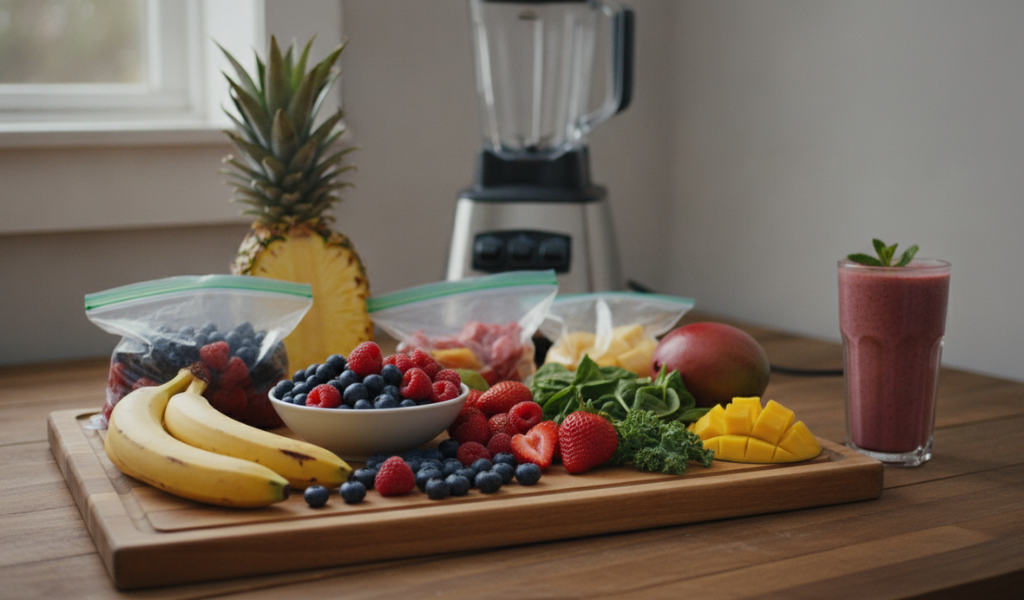
Few things feel as satisfying as a thick, creamy smoothie that hits all the right notes. But if you’ve ever tossed a random handful of ingredients into your blender and ended up with a gritty, watery, or oddly bitter drink, you already know the truth: making perfect smoothies takes a little know-how. The good news? Once you understand the basics, you’ll be whipping up café-quality blends in your own kitchen every single morning.
This guide breaks down everything you need to know about how to make perfect smoothies, from picking the right liquid base to balancing your ratios and choosing the best add-ins. Whether you’re a complete beginner or someone looking to upgrade your daily blend, you’ll find practical, easy-to-follow tips that actually work. No fancy equipment or culinary degree required—just a few smart habits and a willingness to experiment.
Let’s get blending.
On the surface, smoothies seem almost too simple to need a recipe. Dump some fruit and milk into a blender, press the button, and you’re done, right? Not quite. Some combinations come out silky and balanced, while others turn out thin, chalky, or unpleasantly sour.
The difference comes down to technique. When you understand how flavors balance and which ingredients control texture, it becomes nearly impossible to make a bad smoothie. A great blend is also one of the easiest healthy meals around. You can pack in fruit, leafy greens, protein, and healthy fats, then drink it on your way out the door. That combination of convenience and nutrition is exactly why smoothies have stayed so popular for so long.
Every smoothie needs liquid to blend smoothly, and your choice here sets the tone for the whole drink. Dairy milk and non-dairy options like almond, oat, or coconut milk are reliable classics. Fruit juices work too, especially if you want something lighter and sweeter.
For a thicker, creamier result, Greek yogurt is hard to beat. It adds body, a gentle tang, and a nice protein boost. You can use flavored varieties for extra sweetness or plain if you’d rather keep things simple. Prefer a slushier texture? Reach for orange juice with a little ice for a refreshing, more drinkable consistency.
A quick tip: think about what kind of smoothie you actually want before pouring. Creamy and rich calls for yogurt or milk, while light and fruity pairs better with juice or coconut water.
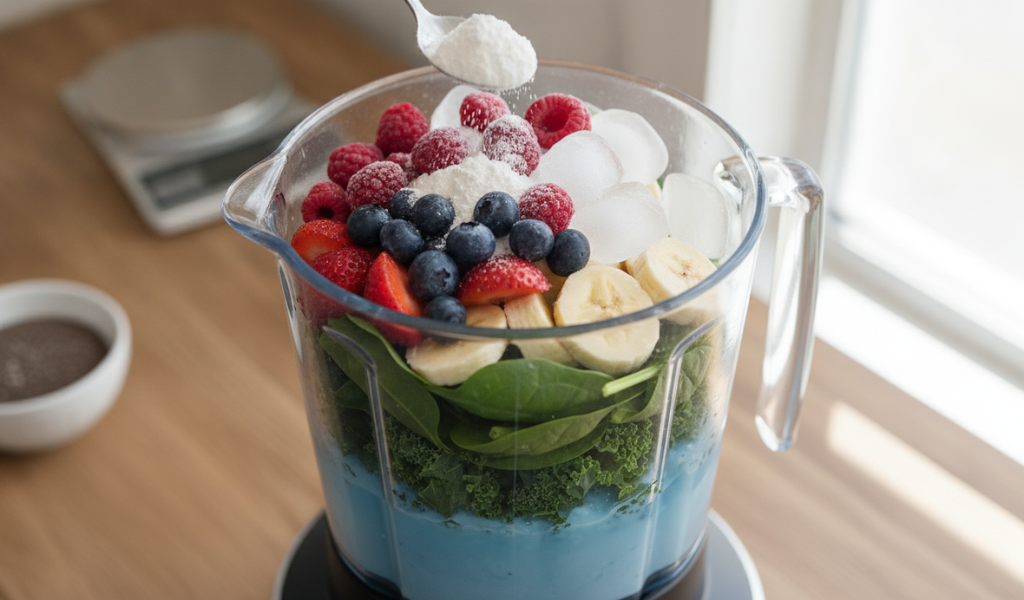
The order you add ingredients matters more than most people realize. Always pour your liquid in first. This helps the blades create that spinning vortex—similar to water swirling down a drain—that pulls everything else down and breaks it apart evenly.
Next, add tougher, fibrous ingredients like rolled oats, spinach, or kale. Give them a quick blend on their own so they break down completely. Nobody enjoys stringy bits of spinach getting stuck in their straw. After that, layer in your fresh fruit, any optional add-ins, and finally your ice or frozen fruit.
Blend everything together until smooth, then adjust. If it’s too thick, splash in a bit more liquid. Too thin? Add more frozen fruit or a few ice cubes to bring it back to your ideal texture.
Guesswork is the enemy of a good smoothie. Starting with the right proportions takes most of the uncertainty out of the process. A reliable rule of thumb is two parts fruit, one part liquid, and one part everything else combined.
That said, ratios aren’t set in stone. A smoothie loaded with juicy berries will naturally be thinner than one built around bananas, so you might use less liquid and lean on thickening ingredients instead. Pay attention to how your blends turn out and adjust over time. After a few rounds, you’ll instinctively know how much of each ingredient to add.
Fruit is the heart of almost every smoothie. It brings natural sweetness, satisfying body, and enough flavor to mask ingredients you might not love on their own—looking at you, kale. The key is learning how to mix fruit in ways that complement each other.
Bananas are the most versatile choice. They’re naturally sweet, packed with nutrients, and create a thick, creamy base that works with just about anything. Beyond bananas, the options are endless. Blend blueberries and raspberries for a classic mixed-berry flavor, or go tropical with mango and melon. Strawberries pair beautifully with banana, while pineapple adds a bright, tangy kick.
Don’t be afraid to experiment. Some of the best flavor combinations come from happy accidents in the kitchen.
Ice is a handy way to add thickness and that slushy, cold texture so many people crave. But there’s a catch: ice turns to water the moment it blends, which can leave your smoothie watery and weak on flavor.
If you’re using a lot of ice, you’ll need less liquid to compensate. This is exactly why many recipes favor frozen fruit instead—it chills and thickens without diluting anything. Want a smarter trick? Freeze some of the liquid you’re already planning to use. Orange juice, other fruit juices, and coconut water all freeze beautifully, giving you the cold, thick texture of ice with none of the flavor loss.
The best smoothie ingredients pull double or even triple duty. Take almond butter: it thickens your drink while adding protein and healthy fats. Greek yogurt is another star, working as a liquid base, a thickener, and a source of protein and calcium all at once.
When you build your smoothie around these multitaskers, you get better texture and better nutrition without needing a long list of extras. Balancing them to hit that perfect creamy consistency is a bit of an art, but starting with the right proportions puts you well on your way.
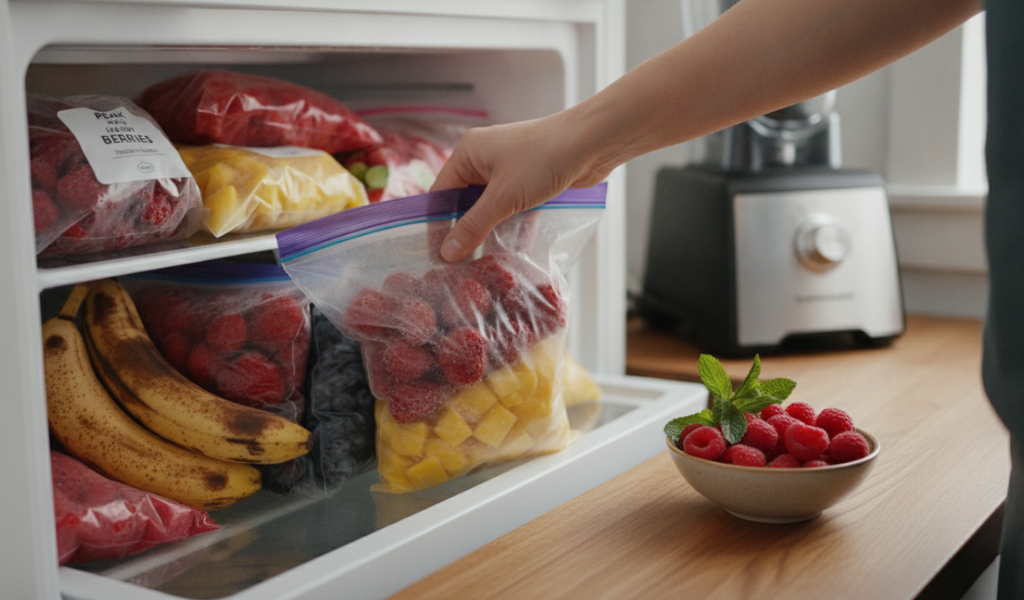
It’s easy to assume fresh fruit is always the superior choice, but that’s not really true. Fresh produce often gets picked before it’s fully ripe so it can survive time on store shelves. Frozen fruit, on the other hand, is usually harvested at peak ripeness and frozen right away, locking in flavor and nutrients.
Frozen fruit also makes for better texture. Fresh fruit can turn frothy and airy when blended, while frozen fruit stays dense and gives your smoothie that thick, satisfying body. Many recipes call for a mix of both. Keep a steady supply of frozen fruit on hand, then toss in whatever fresh, seasonal produce you can find—berries in summer, stone fruit in late season, and so on.
Once you’ve nailed the basics, add-ins are where smoothies get exciting. Leafy greens like spinach are an easy way to sneak in nutrients without changing the taste much. For a protein boost, stir in peanut butter, other nut butters, or a scoop of protein powder.
Looking for extra health benefits? Turmeric adds anti-inflammatory properties, while flax seeds and chia seeds bring fiber and a pleasant texture. If you want more sweetness without refined sugar, a drizzle of honey or agave does the trick. You can even add tea—try freezing green tea or Earl Grey into cubes for flavor and a gentle caffeine lift. Just know that the tannins in tea don’t always pair well with fruits like mango, which have their own subtle bitterness.
A little preparation makes daily smoothie-making effortless. When fruit is in season and cheap, buy extra and freeze it for later. Strawberries, blueberries, and mango all freeze well and taste better than out-of-season versions.
Bananas deserve special attention here. They’re often marked down at the store once they start to brown, which is exactly when they’re sweetest. Peel them, pop them in the freezer, and you’ll always have a creamy, naturally sweet base ready to go. Frozen bananas are a core ingredient in countless smoothie recipes for good reason—they deliver the perfect consistency with minimal help from anything else.
Here’s some reassuring news: you don’t need an expensive machine to make a great smoothie. Because blended drinks are so popular, even budget-friendly blenders can handle the job well. High-powered models from brands like Vitamix and Blendtec will crush through frozen fruit and ice with ease, but they’re not a requirement.
Choose based on how often you’ll use it. If smoothies are a daily ritual, investing in a sturdier blender might be worth it. For occasional blends, a basic model will serve you just fine. The technique matters far more than the price tag.
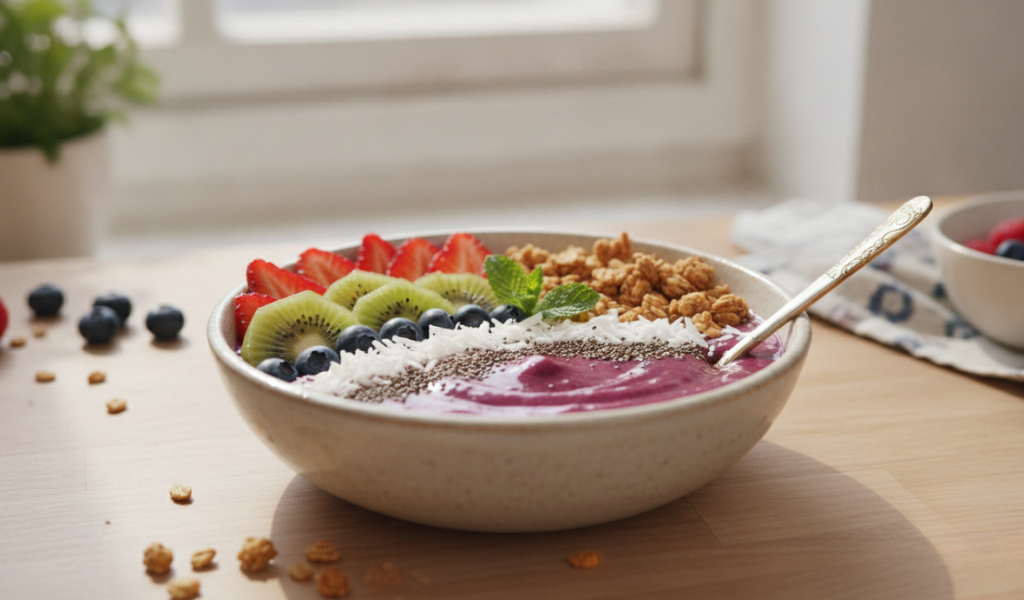
If you love thick smoothies but find them tricky to drink through a straw, a smoothie bowl is the answer. Blend your ingredients as usual, but make the mix extra thick. Then pour it into a bowl instead of a glass and top it with fresh fruit, granola, seeds, or shredded coconut.
Smoothie bowls are great when you have time to sit down and enjoy your meal with a spoon. They look beautiful, they’re endlessly customizable, and they make a fun change from your usual routine.
Making the perfect smoothie isn’t about following one strict formula—it’s about understanding a few key principles and then making them your own. Start with the right liquid base, layer your ingredients thoughtfully, respect your ratios, and lean on frozen fruit for the best texture. From there, the possibilities are wide open.
The real fun begins when you start experimenting. Try new fruit combinations, sneak in some greens, or toss in a spoonful of nut butter and see what happens. Some blends will become instant favorites, and a few might miss the mark—that’s all part of the process.
So grab your blender, raid your fridge and freezer, and start mixing. With these tips in hand, your next smoothie just might be your best one yet.
What is the best liquid base for a smoothie?
It depends on the texture you want. For a creamy, protein-rich smoothie, Greek yogurt or milk works best. For a lighter, slushier drink, go with fruit juice or coconut water. Many people mix two bases, like almond milk and a splash of orange juice, for the best of both.
What is the ideal ratio of ingredients in a smoothie?
A solid starting point is two parts fruit, one part liquid, and one part everything else, such as yogurt, ice, or add-ins. Adjust from there based on whether you want a thicker or thinner consistency.
Is frozen fruit better than fresh fruit for smoothies?
In many cases, yes. Frozen fruit is usually picked at peak ripeness and frozen immediately, which preserves flavor and nutrients. It also creates a thicker, denser texture than fresh fruit, which can blend up frothy.
Why is my smoothie always watery?
Too much ice or liquid is the usual culprit. Ice melts into water as it blends, thinning out your drink. Try using frozen fruit instead of ice, and start with less liquid—you can always add more.
How do I make my smoothie thicker and creamier?
Use frozen fruit, especially frozen bananas, and add a creamy ingredient like Greek yogurt or nut butter. Cutting back on liquid also helps. If it’s still too thin, blend in a few extra ice cubes or more frozen fruit.
Can I add vegetables to a smoothie without ruining the taste?
Absolutely. Leafy greens like spinach and kale blend in easily and barely affect the flavor when paired with sweet fruit like banana or mango. Blend the greens with your liquid first to avoid stringy bits.
Do I need an expensive blender to make good smoothies?
No. Even affordable blenders can make a smooth, satisfying drink these days. High-end models handle frozen ingredients more easily, but they’re not essential. Good technique matters more than a high price tag.