Physical Address
304 North Cardinal St.
Dorchester Center, MA 02124
Physical Address
304 North Cardinal St.
Dorchester Center, MA 02124

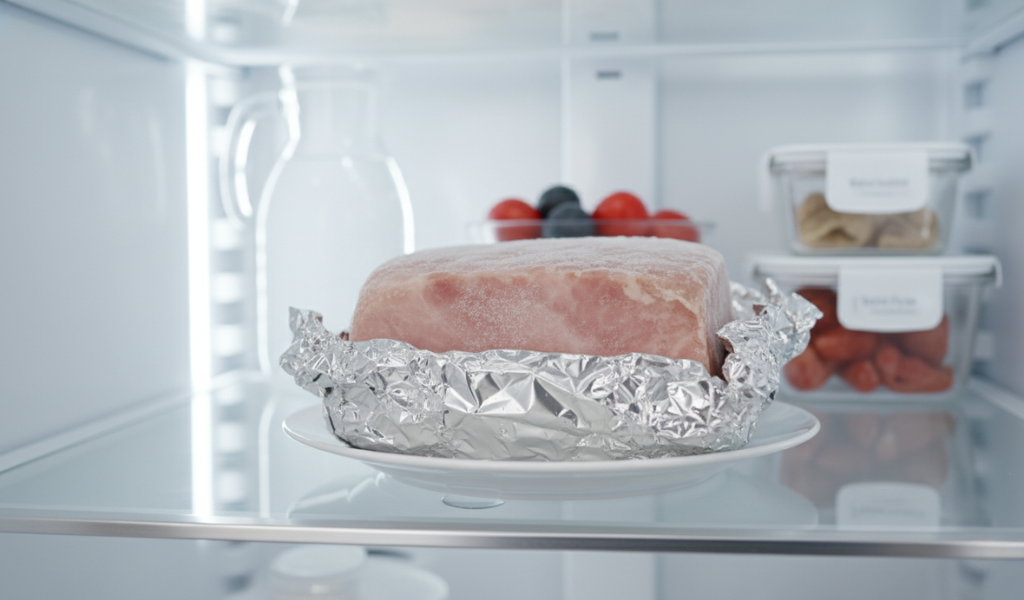
We’ve all been there. The holiday dinner is over, the guests have headed home, and you are left staring at a massive tray of leftovers. Whether it is a giant holiday centerpiece or a few extra packs of deli meat from a sale, the question always pops up: can you freeze ham without ruining that delicious, smoky flavor?
The short answer is a resounding yes! Ham is actually one of the most freezer-friendly meats out there. Because of its high protein density and the way it’s often cured, it holds up much better than delicate vegetables or soft fruits. However, if you just toss a loose ham steak into the freezer, you’ll likely end up with a watery, freezer-burnt mess.
In this comprehensive guide, we are going to dive deep into the world of food preservation. I’ll walk you through the best way to freeze ham, how to handle different types like spiral ham or honey baked ham, and the little secrets to ensuring your frozen ham tastes just as good as the day it was cooked.
Can You Freeze Ham? Yes, you can freeze ham for up to 1–2 months (cooked) or 3–4 months (raw) without losing much quality. Wrap it tightly, remove air, and store at 0°F (−18°C) to prevent freezer burn.
If you are worried about the texture changing, don’t be. Does ham freeze well? Absolutely. Unlike many other foods, ham is a robust protein. The curing process—which often involves salt, sugar, and smoke—actually prepares the meat’s fibers to withstand the expansion of water molecules during freezing better than fresh, raw pork.
When you freeze a vegetable, the water inside the cell walls expands and breaks the structure, leading to mushiness. However, the ‘protein structure’ of ham is dense enough to remain largely intact. The main challenge isn’t the meat falling apart; it’s the loss of moisture. If air gets to the meat, it pulls the water out, leaving you with dry, stringy leftovers. That is why your packaging method is more important than the freezer itself.
When people ask me about how to freeze ham, I always tell them that preparation is 90% of the battle. You can’t just throw a half-eaten ham into the freezer in its original grocery store bag and expect greatness. Follow this professional-grade process to keep your meat at peak quality.
Never put warm ham in the freezer. This is a common mistake that leads to two problems: it raises the temperature of your freezer (potentially thawing other items) and it creates steam inside the packaging. That steam turns into ‘large ice crystals’ which tear at the meat’s fibers. Let the ham reach room temperature or chill it in the fridge first.
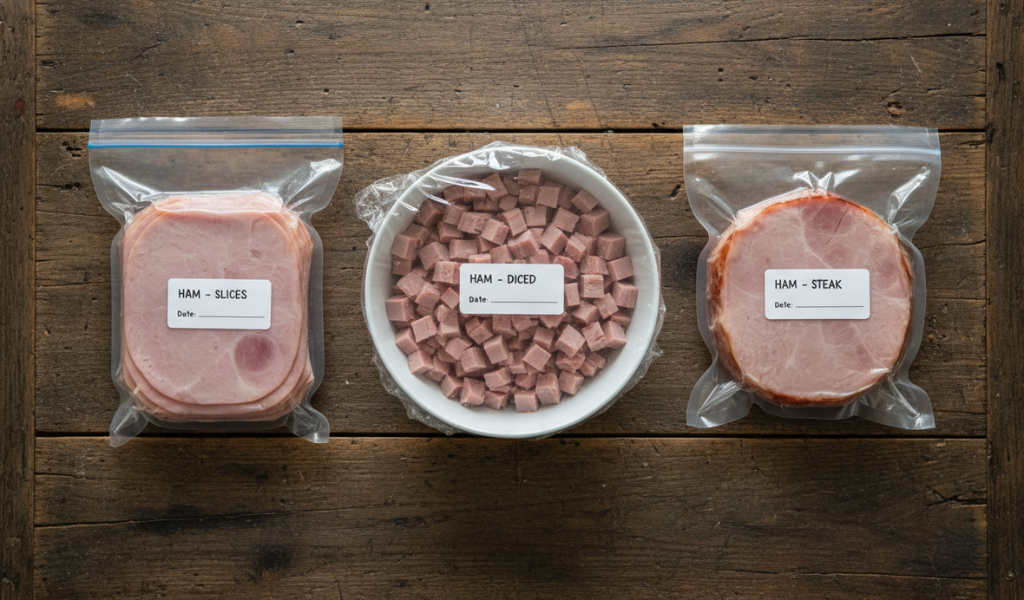
Think about your future self. Are you going to want to eat a four-pound ham block in one sitting? Probably not.
Slices: Best for sandwiches or quick breakfasts.
Cubes: Ideal for omelets, casseroles, or split pea soup.
Steaks: Perfect for a quick dinner main course.
Portioning allows you to thaw only what you need, which keeps the rest of your stash fresh and safe from multiple temperature changes.
This is the best way to freeze ham to prevent freezer burn: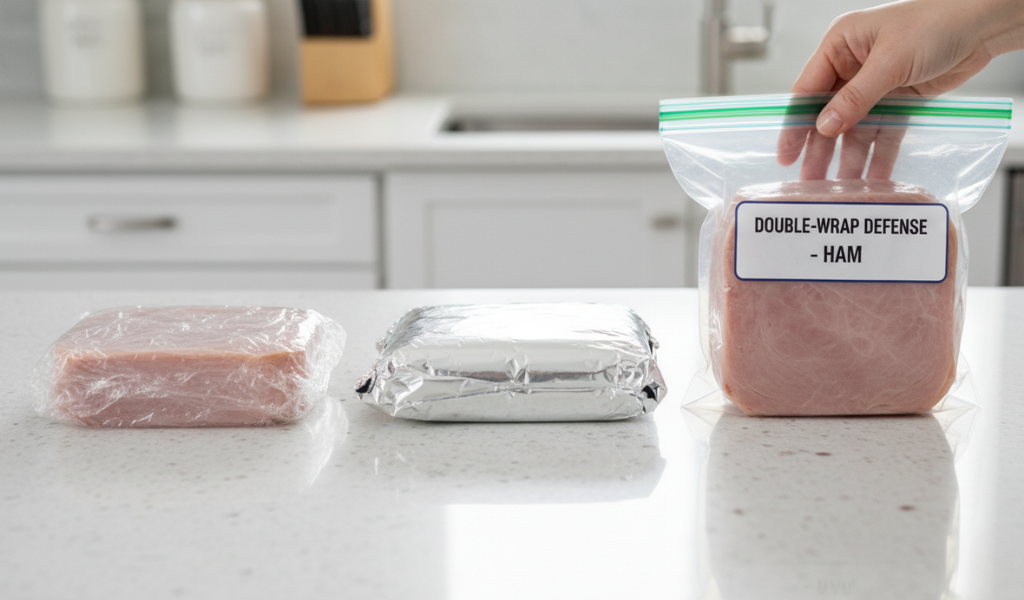
First Layer: Wrap the ham tightly in plastic wrap. You want this to be skin-tight against the meat.
Second Layer: Wrap that bundle in aluminum foil. This provides a barrier against light and extra protection against punctures.
Final Layer: Place everything into a heavy-duty, freezer-safe Ziploc bag.
If you have a vacuum sealer, use it. It is the gold standard for frozen ham. By removing all the oxygen, you virtually eliminate the possibility of freezer burn and can extend the shelf life by several months.
Not all hams are created equal. Depending on how the meat was processed, you may need to adjust your approach.
Deli Ham: Deli meat has a very high water content. When it freezes, that water separates slightly. When you thaw it, you’ll notice a bit of “purge” or liquid in the bag. Don’t worry—the meat is fine. Just pat it dry with a clean paper towel before building your sandwich.
Canned Ham: If the ham is still in an unopened can, do not freeze it. The expansion of the meat and liquid can break the seal of the can or cause it to burst. If you have opened the can and have leftovers, remove them from the tin and follow the “Double-Wrap Defense” mentioned above.
Fresh (Uncured) Ham: Fresh ham is essentially a pork roast. Since it hasn’t been cured with salt, it is more “fragile” in the freezer. It is best to use fresh ham within 3 to 4 months, as it doesn’t have the preservative benefits of a traditional cured holiday ham.
Many of us splurge on a honey baked ham for Easter or Christmas. Since these are often quite large and expensive, you definitely don’t want any to go to waste.
You can certainly freeze it, but there is a catch. The sugary glaze can become a bit sticky or “weepy” during the thawing process. To maintain the quality, it is better to freeze these in slices rather than a whole chunk. Wrap the slices together tightly. Most culinary experts suggest eating a frozen honey baked ham within 45 days. Beyond that, the glaze begins to break down and can soak into the meat, making the texture a bit soft.
A spiral ham is incredibly convenient because it’s already sliced for you. This makes it perfect for meal prep! However, the very thing that makes it convenient also makes it vulnerable. Because it is pre-sliced, there is more surface area exposed to air.
When freezing a spiral ham, make sure you press the slices together firmly before wrapping. This mimics a solid piece of meat and protects the inner sections from drying out. If you have a large amount left over, consider dividing the slices into “meal-sized” stacks—perhaps 5 or 6 slices per bag—so you can pull out exactly what you need for a family dinner.
Stop! Before you throw away that bone, remember that it is basically ‘culinary gold.’ A ham bone is the secret ingredient for the best split pea soup, collard greens, or navy bean stew you’ve ever tasted.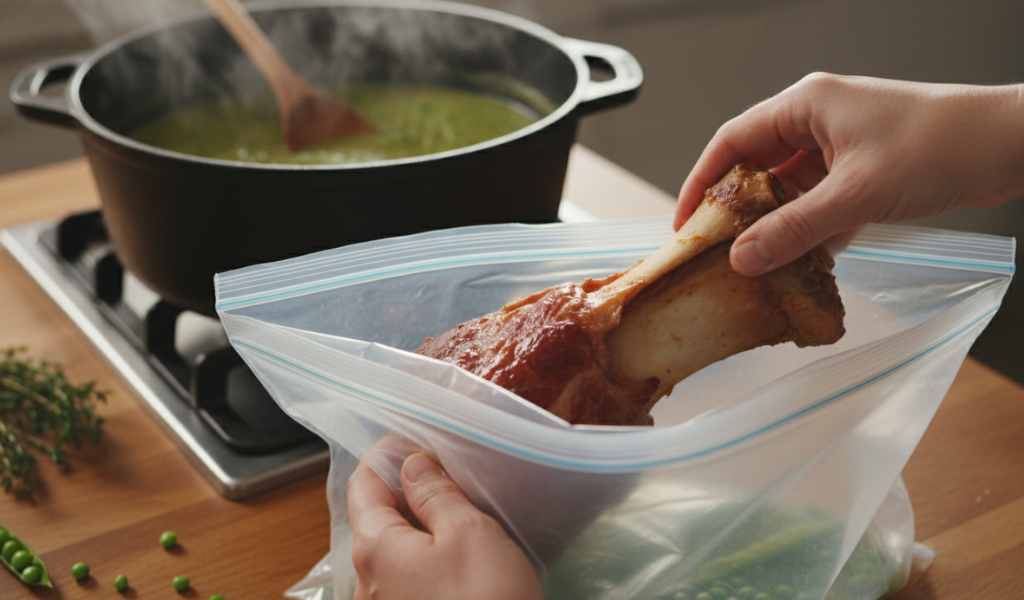
To freeze a ham bone:
Trim off most of the excess meat, but leave about a quarter-inch of meat attached for flavor.
Wrap it in plastic wrap.
Place it in a sturdy freezer bag.
Pro Tip: Ham bones can be sharp. If the bone has a jagged edge from carving, wrap it in a layer of foil first so it doesn’t puncture your freezer bag and let air in.
While food stays safe indefinitely if kept at a constant 0°F (−18°C) to prevent spoiling, the quality is a different story. Eventually, the “fresh” taste begins to fade. Use this chart to manage your freezer inventory:
If you go beyond these dates, the ham is still safe to eat, but it might have a slightly different “freezer” smell or a tougher texture. Always check for signs of spoilage after thawing.
We have mentioned it a few times, but what exactly is freezer burn? It happens when moisture leaves the meat and air moves in to take its place. You’ll recognize it by ‘greyish-brown leathery patches’ on the surface of your frozen ham.
To avoid this:
Use Freezer Bags: Regular sandwich bags are too thin; they allow air molecules to pass through the plastic over time. Always look for the “Freezer” label on the box.
The Straw Trick: If you don’t have a vacuum sealer, put the ham in a Ziploc bag, zip it almost all the way shut, stick a straw in the corner, and suck out the remaining air before quickly sealing the rest of the way.
Keep the Door Shut: Frequent opening of the freezer door causes temperature fluctuations, which encourages frost and ice crystal growth on your meat.
Knowing how to freeze ham is only half the journey; you also need to know how to bring it back to life without drying it out.
Place your frozen ham in the refrigerator. For every 5 pounds of meat, allow about 24 hours of thawing time. This slow process allows the meat to reabsorb some of the moisture from the melting ice crystals, keeping it juicy.
If you’re in a rush, you can submerge the sealed bag in a bowl of cold water. Change the water every 30 minutes to ensure it stays cold. Never use hot water, as this can “cook” the outside of the meat while the inside is frozen, creating a breeding ground for bacteria.
To prevent the ham from turning into shoe leather during reheating:
Cover it with foil to trap steam.
Add a splash of water, apple juice, or broth to the baking dish.
Heat it at a low temperature (325°F) until it’s just warmed through.
Once you’ve mastered the art of the frozen ham, you’ll realize you have a versatile ingredient ready at a moment’s notice:
Ham and Cheese Scones: Chop up thawed ham and fold it into your favorite savory scone dough with some sharp cheddar.
Breakfast Casseroles: Use cubed ham, eggs, bread, and plenty of cheese for a “set and forget” Sunday brunch.
Diced in Salads: Thawed ham is a great protein booster for a classic Chef’s salad or a pasta salad.
The “Everything” Fried Rice: Ham adds a wonderful salty, smoky element to homemade fried rice that rivals any takeout.
So, can you freeze ham? You certainly can, and if you want to save money and reduce kitchen waste, you should! It is one of the most versatile proteins to have on hand for quick weeknight meals or flavoring large pots of beans and soups.
By following the best way to freeze ham—the double-wrap method—and being mindful of your storage times, you can enjoy that holiday flavor all year round. Whether it’s a standard grocery store find or a premium honey baked ham, proper preservation ensures that every bite is as delicious as the first.
1. Can you freeze ham twice? Technically, yes, if it was thawed in the refrigerator. However, I don’t recommend it. Each time you freeze and thaw meat, the cell walls break down further, leading to a much drier and mushier product.
2. Can you freeze ham with the bone still in? Yes, you can freeze a whole bone-in ham. Just be aware that it will take significantly longer to thaw (sometimes up to 3 or 4 days in the fridge) and it takes up a lot of freezer real estate.
3. Does the glaze on a honey baked ham get ruined in the freezer? It won’t be “ruined,” but it might lose its crunch. The sugar attracts moisture. To fix this, you can put the thawed ham slices under the broiler for 60 seconds to caramelize the sugar again before serving.
4. How can I tell if my frozen ham has gone bad? When you thaw it, give it a sniff. It should smell like salty pork. If it smells sour, sulfur-like, or “funky,” toss it immediately. Also, look for a ‘slimy or greyish film’—this is a clear sign that the meat is no longer safe to eat.
5. Can I freeze a whole unopened spiral ham from the store? Yes, most store-bought spiral ham products come in vacuum-sealed packaging that is perfectly fine for the freezer. Just check the “use by” date first.