Physical Address
304 North Cardinal St.
Dorchester Center, MA 02124
Physical Address
304 North Cardinal St.
Dorchester Center, MA 02124

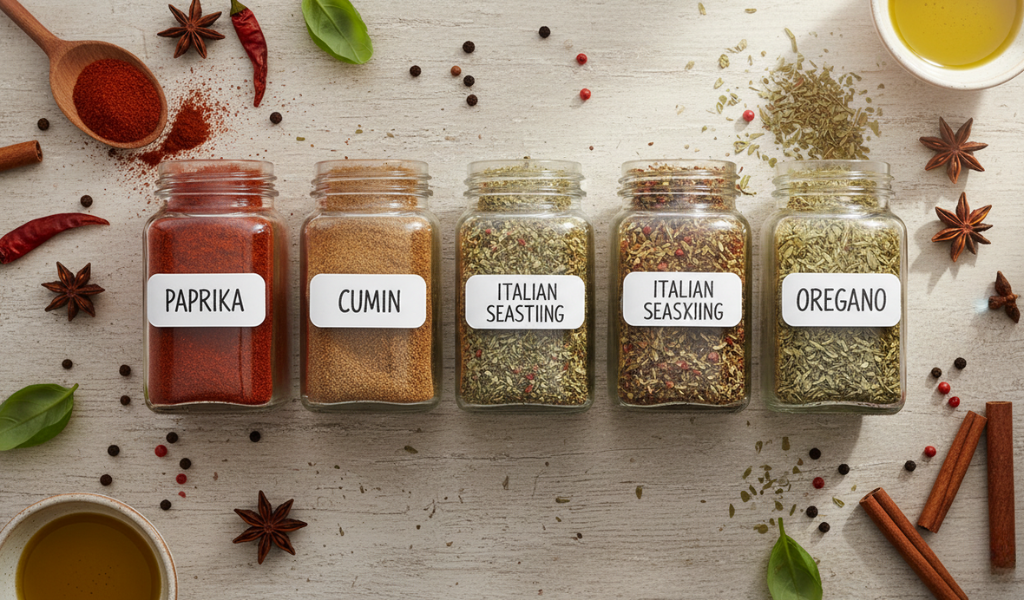
Have you ever stood in front of your pantry, staring at a jar of “Italian Seasoning” and a jar of “Dried Oregano,” wondering if you can use them interchangeably? You aren’t alone. For many home cooks, the spice rack is a bit of a mystery zone. Some jars smell like a holiday morning, others make your eyes water, and some seem to do nothing at all until they hit a hot pan.
Is salt a spice? Why does cinnamon come in both sticks and powder? And what exactly is the difference between spices and seasonings?
Understanding these nuances isn’t just about culinary trivia; it’s about mastering the art of flavor. When you know how spices and seasonings work, you stop following recipes blindly and start creating your own masterpieces. This guide will walk you through everything you need to know, from the botany of a peppercorn to the perfect way to season a steak, all in simple, human language.
To the casual observer, the terms are interchangeable. However, in the culinary world, they represent two different categories of flavor enhancers. Think of them as the difference between a single color on a palette and a finished painting.
Spices are individual ingredients derived from various parts of plants—excluding the leaves. They are the “raw materials” of the kitchen. Spices are almost always dried and can be used whole (like a cinnamon stick) or ground into a powder (like cinnamon sugar).
Seasonings are a much broader category. A seasoning is any substance added to food to enhance its natural flavor without necessarily changing the core identity of the dish. This includes minerals like salt, acids like lemon juice, sweeteners like sugar, and most commonly, seasoning blends.
A seasoning blend is a curated mix of various spices, herbs, and often salt or sugar designed to achieve a specific profile like Cajun, Taco or Pumpkin Spice.
The Simple Rule: All spices can be used as seasonings, but not all seasonings (like salt or lemon juice) are spices.
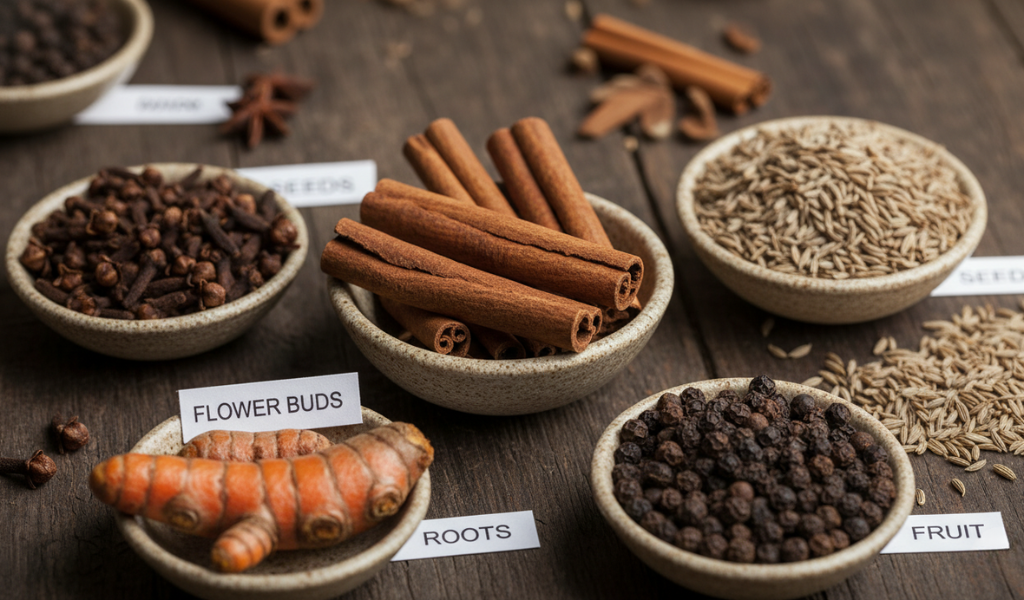
To understand what makes a spice a spice, we have to look at the anatomy of a plant. While we often group herbs and spices together, they actually come from different parts of the vegetation. Spices are harvested from the hard or non-leafy parts of plants.
Spices are incredibly potent. Because they are dried, their essential oils—where the flavor lives—are highly concentrated. This is why a single star anise or a pinch of cayenne pepper can change the entire personality of a soup.
If spices are the individual notes, seasoning is the symphony. The primary goal of seasoning is to season the food—to bring out the best version of the ingredients already in your pan.
Imagine you are cooking a high-quality steak. If you add cumin, you are changing the flavor to be “earthy.” That is spicing the meat. If you add salt and pepper, you are simply making the meat taste more like beef. That is seasoning the meat.
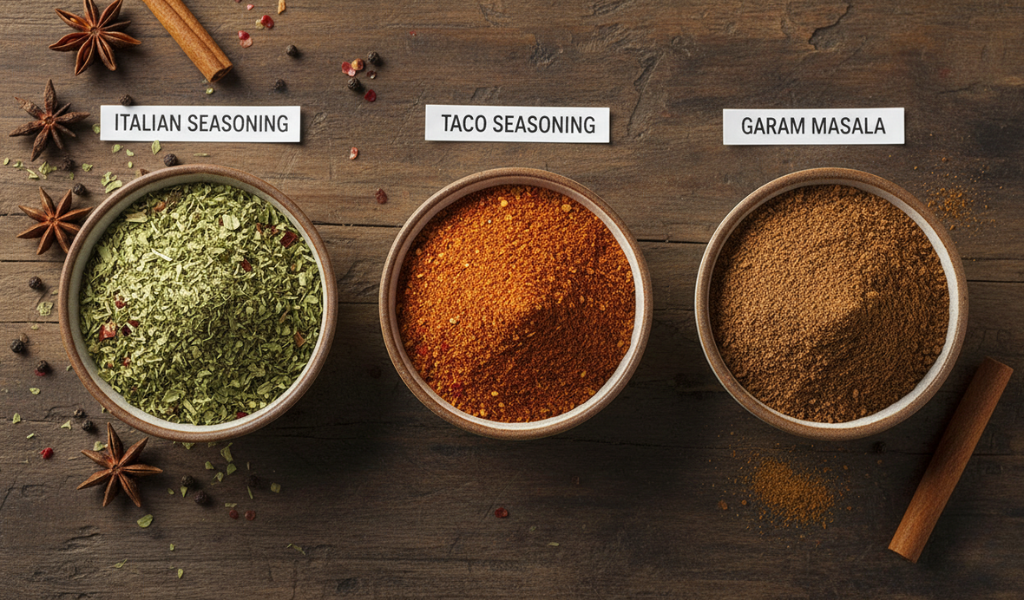
Seasoning blends are the “cheat codes” of the modern kitchen. When you buy a jar of Italian Seasoning you are getting a pre-measured ratio of oregano, thyme, rosemary, and basil. These blends offer convenience and consistency.
However, there is a catch: commercial seasonings often contain fillers or very high amounts of sodium. If you look at the back of a standard taco seasoning packet, salt is often the first ingredient listed. This is why many experienced cooks prefer to buy individual spices and create their own DIY seasonings at home. It gives you total control over the heat level and the salt content.
 Herbs & Spices: Clearing Up the Confusion
The phrase herbs and spices is often uttered as if it were a single word, but they are botanically distinct.
A single plant can actually provide both. For example:
They taste nothing alike! Cilantro is bright and citrusy (some say soapy), while coriander is warm, nutty, and slightly sweet. This perfectly illustrates why the part of the plant rule is so important.
One of the most common questions beginners ask is: Is salt a spice? The answer is a hard no. Salt is a mineral, not a plant product. However, salt is arguably the world’s most important seasoning.
Salt’s primary job isn’t to make food taste salty. Its real magic is that it unlocks flavor molecules in food. It makes the flavors of your meat, vegetables, and even chocolate more “volatile,” which means they reach your nose and tongue more easily. Without salt, even the most expensive spices will taste flat and dull.
Similarly, sugar is a seasoning. While we usually associate it with cookies and cakes, a pinch of sugar in a savory tomato sauce or a beef stew acts as a seasoning to balance acidity or bitterness. Like salt, sugar enhances the character of the dish without necessarily being the primary flavor you notice.
| Feature | Spices | Seasonings (Blends/Enhancers) |
| Source | Plant parts (seeds, bark, roots) | Blends of spices, herbs, salt, and minerals |
| Complexity | Usually a single ingredient | Multi-layered, complex flavor profiles |
| Examples | Black Pepper, Cinnamon, Cumin | Taco Seasoning, Lemon Pepper, Garlic Salt |
| Potency | Very high; a little goes a long way | Balanced; designed for ease of use |
| Shelf Life | Long (whole spices last longest) | Varies; salt-heavy blends last years |
| Primary Goal | To add a specific flavor or heat | To enhance and balance the overall dish |
To use spices and seasonings correctly, it helps to understand how we actually taste things. Our tongues recognize five basic tastes: Sweet, Salty, Sour, Bitter, and Umami (savory).
When you use seasonings, you are trying to balance these five things.
Spices, on the other hand provide aroma. Most of what we think of as flavor is actually our sense of smell. When you smell cinnamon, your brain identifies it as warm and sweet. When you smell cumin, you think taco night. By combining the balancing act of seasonings with the aromatic act of spices, you create a complex, delicious meal.
Using spices and seasonings effectively requires more than just shaking a jar over a pan at the last second. Here is how to elevate your cooking game:
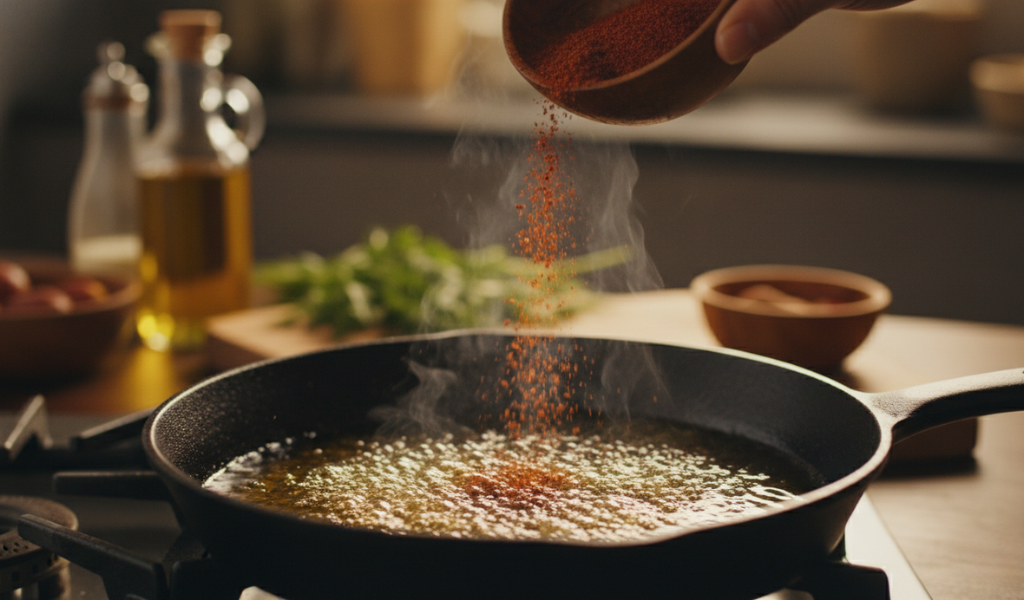
To get the most out of ground spices (like cumin, paprika, or turmeric), “bloom” them in a little bit of oil or butter at the start of cooking. The heat releases the fat-soluble flavor compounds. You’ll know it’s working because your kitchen will suddenly smell amazing. Just be careful not to burn them—30 to 60 seconds is usually enough.
This is the golden rule of seasoning. You can always add more salt, but you can’t take it away once the dish is too salty. This is especially true for hot spices like cayenne or red pepper flakes.
 Mind the Timing
Timing is everything in the spice world.
If you are building your kitchen from the ground up, don’t feel like you need to buy the entire spice aisle. Start with these essentials that cover about 90% of most recipes.
Making your own seasonings is cheaper, healthier, and tastes better than the store-bought packets. Here are three simple recipes to get you started. Simply mix the ingredients and store them in a small jar.
Spices are an investment, and if you don’t store them correctly, you are literally throwing money away.
Even pro chefs make mistakes. Here are the most common blunders home cooks make with spices and seasonings:
Understanding the difference between spices and seasonings is the first step toward becoming a confident cook. Remember: Spices are your building blocks—the individual colors on your palette. Seasonings are the finished combinations and enhancers that make the whole picture pop.
Don’t be afraid to experiment. Your kitchen is your laboratory. If you have a jar of something you’ve never used, smell it, taste a tiny bit, and think about what it reminds you of. Does it smell like it belongs in a dessert? Or does it smell like it would be great on a roasted potato? Trust your senses, and your food will thank you.
Strictly speaking, salt is a seasoning (a mineral), while pepper is a spice (a dried berry). However, in common kitchen language, they are often referred to together as “the basic seasoning” for any dish because they are used in almost everything.
A spice is defined by its origin. It must come from a plant’s non-leafy parts, such as the roots, seeds, bark, or fruit. It is almost always used in a dried state to concentrate its flavor.
No, “spice” is a category, not a specific flavor. A spice can be sweet (nutmeg), pungent (ginger), earthy (cumin), or hot (cayenne). When people say food is “spicy,” they usually mean it contains heat from capsaicin, but a dish can be heavily spiced without being “hot” or “burning.”
It depends on the form. Whole spices (like bay leaves or star anise) should be added at the beginning. Ground spices are usually added during the cooking process to meld with the fats. Finishing seasonings (like a sprinkle of sea salt or fresh herbs) are added just before serving.
Sugar is a seasoning. Like salt, it is used to balance and enhance flavors. It does not fit the botanical definition of a spice because it is a processed carbohydrate extracted from plants, not a dried plant part used for its aromatic oils.
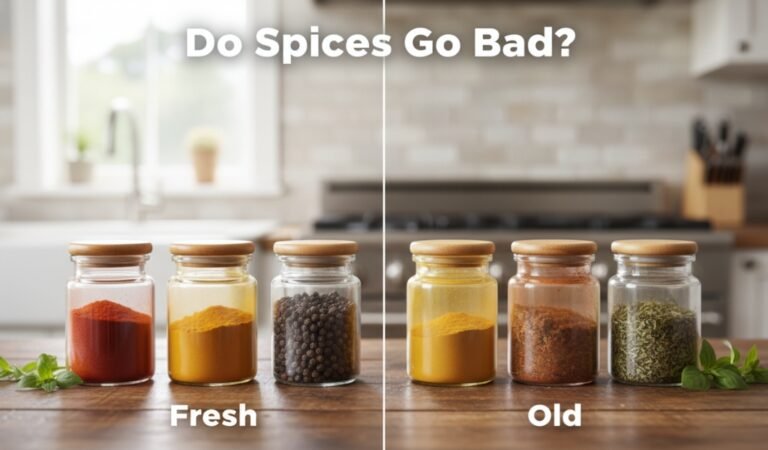
Ground spices typically last 6 months to 1 year before losing their potency. Whole spices can last 2 to 3 years. While they don’t usually “go bad” in a way that makes you sick, they lose the essential oils that provide flavor, leaving you with “flavorless dust.”