Physical Address
304 North Cardinal St.
Dorchester Center, MA 02124
Physical Address
304 North Cardinal St.
Dorchester Center, MA 02124

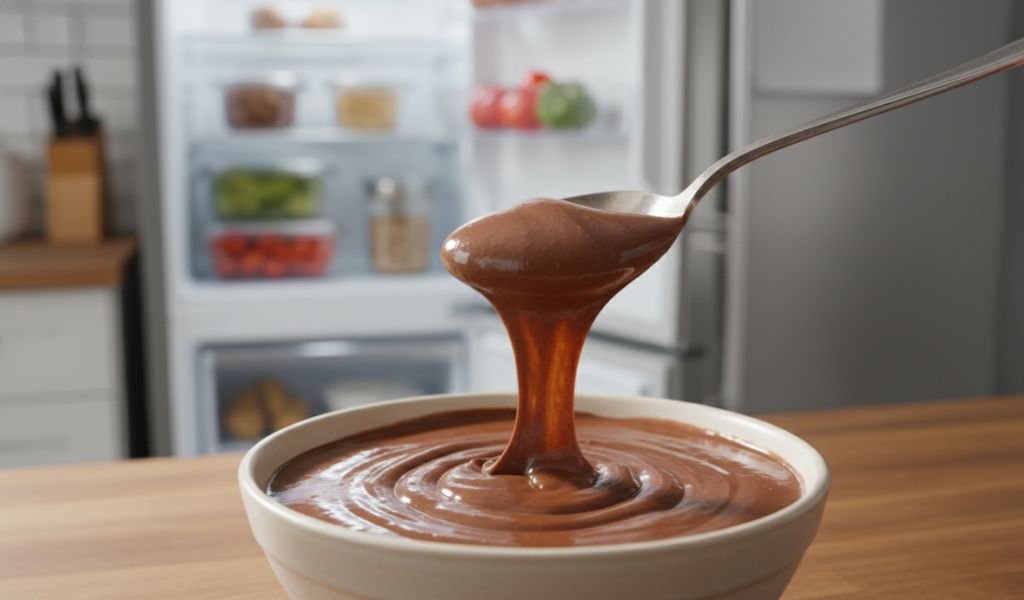
There is something undeniably nostalgic about a bowl of smooth, velvety chocolate pudding. Whether it’s a decadent homemade chocolate pudding whisked over a stove on a rainy afternoon or a convenient store-bought cup packed in a lunchbox, this dessert is a staple of comfort food. However, because of its high dairy content and delicate structure, many enthusiasts find themselves at a crossroads when the meal is over: Is chocolate pudding supposed to be refrigerated?
The short answer is a resounding yes. But the “why” and “how” involve a fascinating blend of food science, temperature control, and kitchen safety. In this deep dive, we will explore the best practices for refrigerating and even freezing your favourite treats, ensuring that every spoonful remains as delicious as the first.
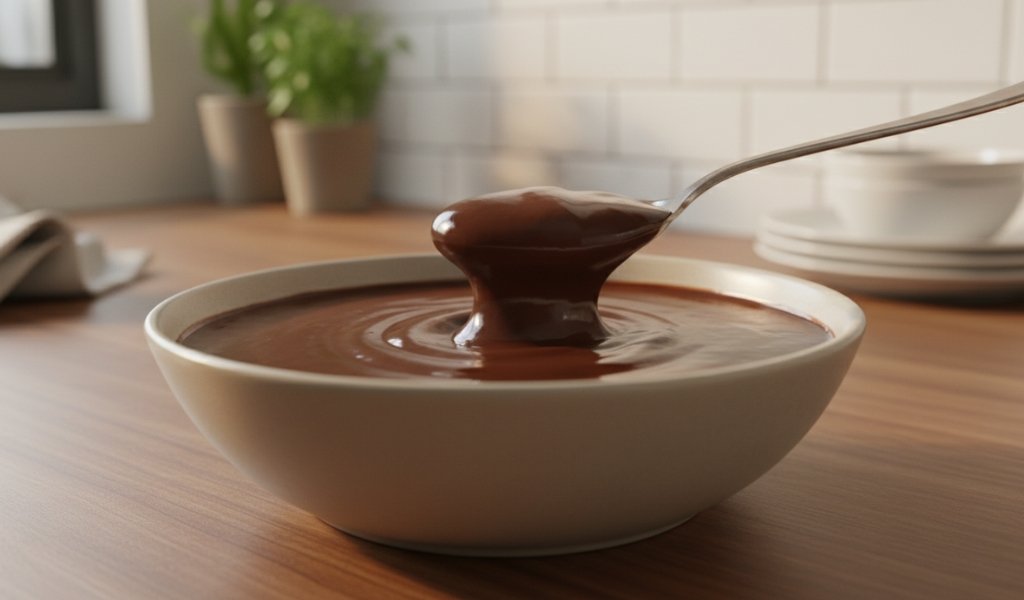
Pudding is essentially an emulsion. It relies on the suspension of fats (from milk or cream) and solids (cocoa and sugar) held together by a thickening agent, usually cornstarch, flour, or egg yolks.
Temperature plays two vital roles here. First, heat is required to activate the starches and cook the proteins. Second, cold is required to set those bonds into a creamy gel. When homemade chocolate pudding is left at room temperature, those bonds begin to relax. The result? A runny, watery mess that lacks the luxurious mouthfeel we crave. Refrigerating is the only way to keep those molecules locked in their delicious, thickened state.
Not all puddings are created equal when it comes to their survival skills outside the cold.
When you make homemade chocolate pudding, you are likely using fresh, whole ingredients: milk, heavy cream, perhaps a few egg yolks, and real butter. These are highly risked foods. Because they lack the industrial stabilizers and preservatives found in commercial products, they are highly susceptible to spoilage. For the homemade variety, the refrigerator isn’t just a suggestion—it’s a requirement from the moment the steam stops rising from the pot.
Commercial puddings fall into two categories: refrigerated and shelf-stable.
Food safety experts often speak of the “Danger Zone.” This is the temperature range between 40°F and 140°F (4.4°C – 60°C). Within this window, bacteria like Salmonella, Listeria, and E. coli can double their population every 20 minutes.
Because chocolate pudding is rich in protein, moisture, and sugar, it is the perfect “petri dish” for bacterial growth. If you leave your pudding on the counter for more than two hours, it should technically be discarded. In warmer climates (above 90°F), that window shrinks to just one hour. Refrigerating your dessert immediately after it cools down is the most effective way to prevent foodborne illness.
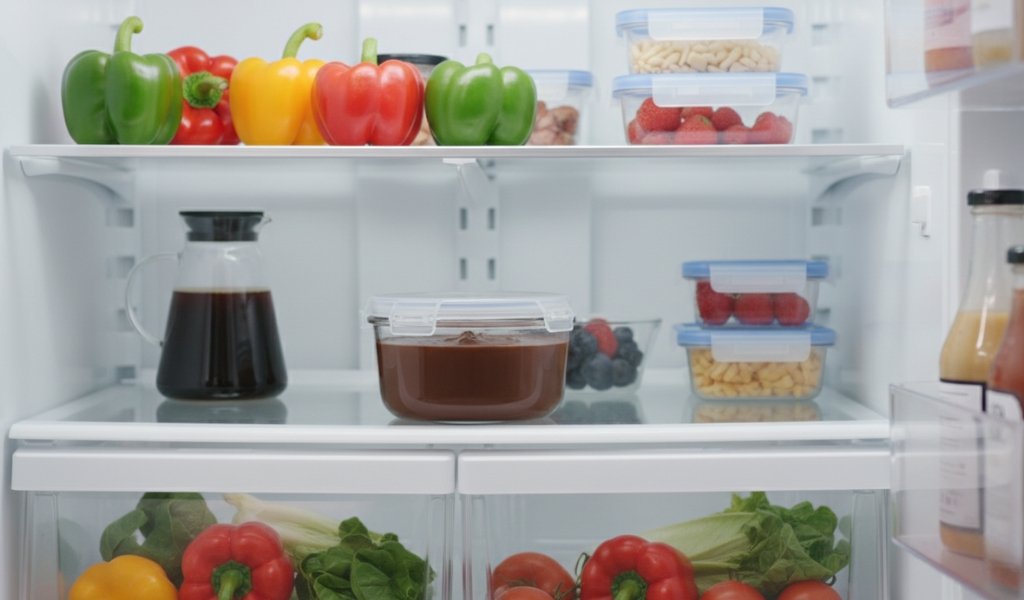
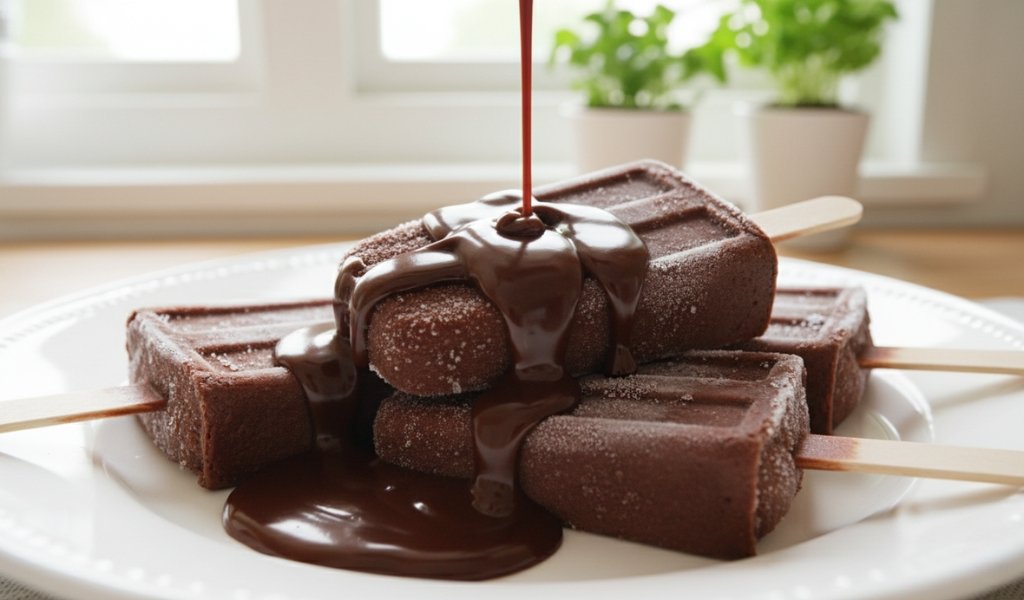
Can you freeze it? Yes. Should you? It depends on your goal.
If you freeze chocolate pudding and then thaw it to eat as a creamy dessert, you will likely be disappointed. The freezing process creates ice crystals that break the starch bonds. When thawed, the pudding often “weeps” (syneresis), resulting in a separated, grainy texture.
However, freezing is excellent for making pudding pops. If you intend to eat the pudding while it is still frozen, it maintains a delightful, fudge-like consistency that is much softer than a standard ice cube. It’s a perfect summer treat!
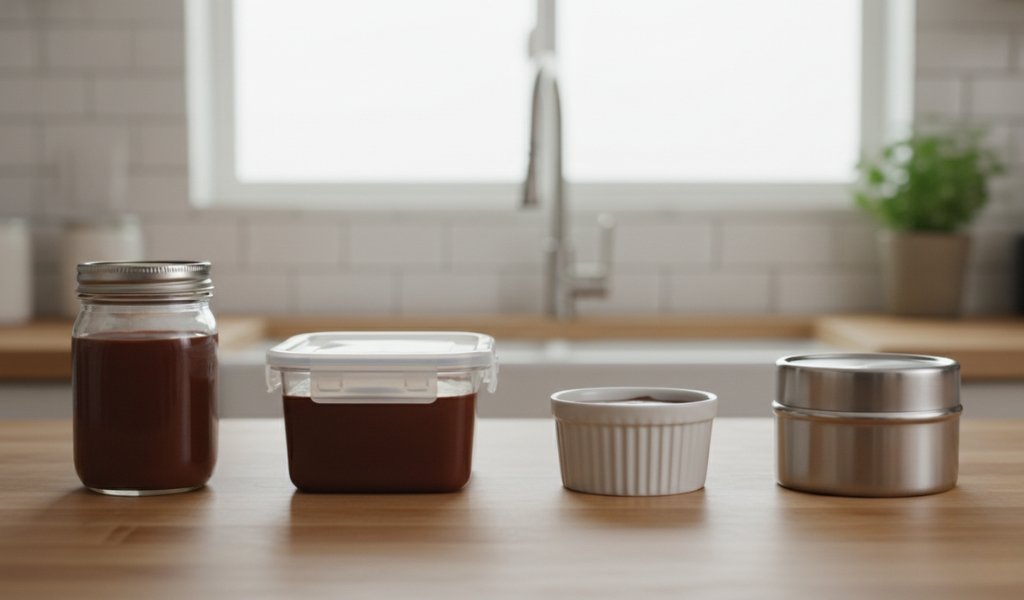
| Container Type | Pros | Cons |
| Glass Mason Jars | Non-porous, airtight, easy to see contents. | Heavy, can break if dropped. |
| BPA-Free Plastic | Lightweight, stackable, durable. | Can retain stains or old food odors. |
| Ceramic Ramekins | Great for individual servings and “setting.” | Requires plastic wrap; not perfectly airtight. |
| Stainless Steel | Gets cold very quickly. | You can’t see what’s inside; sometimes leaves a metallic “tang.” |
Airtight is Essential: Exposure to air causes the fats in the dairy to oxidize and the surface of the pudding to dry out. Always ensure your lid has a silicone seal for the best results.
One of the biggest complaints about refrigerating homemade chocolate pudding is the thick, rubbery “skin” that forms on top. This happens because moisture evaporates from the surface, leaving a concentrated layer of protein and starch.
The Fix: Take a piece of plastic wrap and press it directly onto the surface of the warm pudding before putting the lid on. By eliminating the air gap between the pudding and the cover, you prevent evaporation. When you’re ready to eat, simply peel back the wrap for a perfectly smooth, skinless surface.
To answer the original question: Yes, chocolate pudding is absolutely supposed to be refrigerated. Whether it’s to preserve the integrity of the ingredients in your homemade chocolate pudding or to keep a store-bought snack safe from the danger zone, the refrigerator is your dessert’s best friend.
By choosing airtight containers, practicing good hygiene (no double-dipping!), and understanding the limits of its shelf life, you can ensure that your chocolatey treats remain a source of joy rather than a health risk. Treat your pudding with care, keep it cold, and it will reward you with that perfect, creamy consistency every time.
A: No. Even in a sealed container, the internal temperature of the pudding will rise into the “Danger Zone.” The bacteria are already present in the dairy; the seal won’t stop them from multiplying in the warmth. Always refrigerate within two hours.
A: This is often caused by an enzyme called amylase, which is found in human saliva. If you “double-dip” your spoon into the main bowl, the amylase starts breaking down the cornstarch, turning your pudding back into liquid. Always scoop your portion into a separate bowl!
A: If there is just a small amount of clear liquid on top (syneresis), it is usually safe to stir it back in. However, if the liquid is cloudy or the pudding smells off, it’s a sign that the dairy has spoiled or the starches have failed due to age.
A: It is not recommended. While the boiling process might kill some bacteria, it won’t remove the sour taste or the toxins already produced by spoilage. Always use the freshest milk possible for the best flavor and shelf life.
A: Yes! They make great instant snacks. Just peel the lid off, insert a wooden stick or a plastic spoon through the foil (if applicable), and freeze. They are a much healthier alternative to many commercial ice creams.
A: Actually, sugar acts as a mild preservative. Sugar-free versions, which often use artificial sweeteners and different thickeners, may actually spoil slightly faster or lose their texture sooner than traditional recipes. Stick to the 3–5 day rule.