Physical Address
304 North Cardinal St.
Dorchester Center, MA 02124
Physical Address
304 North Cardinal St.
Dorchester Center, MA 02124

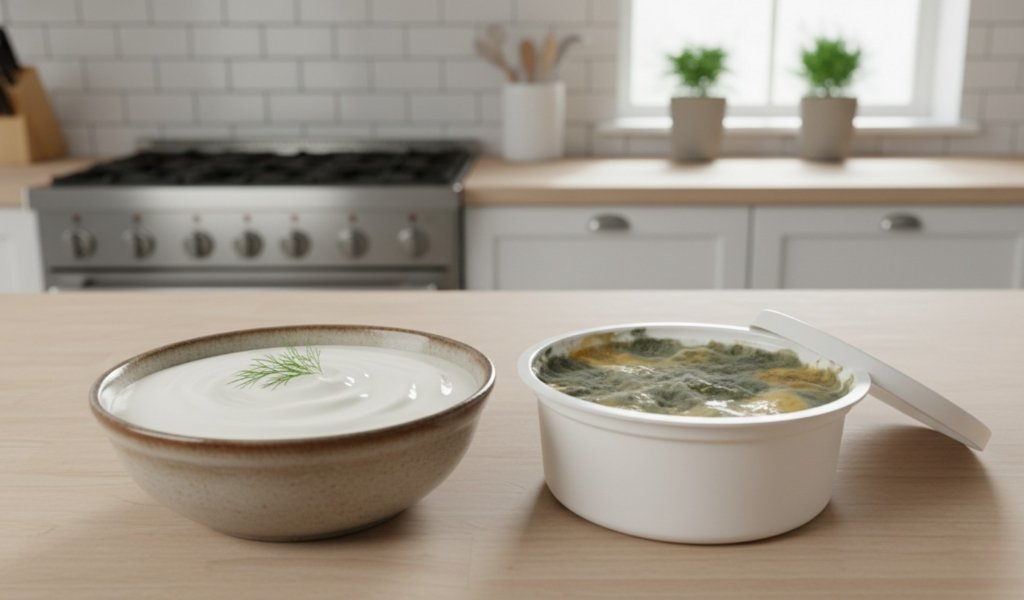
It is a staple of Taco Tuesdays and the crowning glory of a perfect baked potato, but for many home cooks, that tub of white gold is also a source of mystery. You might find yourself staring into the refrigerator, wondering: how long does sour cream last once the seal is broken?
Because it is a fermented product, many people mistakenly believe it is “pre-spoiled” and immune to rot. However, like all dairy products, sour cream has a finite lifespan. In this comprehensive guide, we will break down the shelf life, storage techniques, and safety protocols for keeping your sour cream fresh, as well as the pros and cons of freezing sour cream.
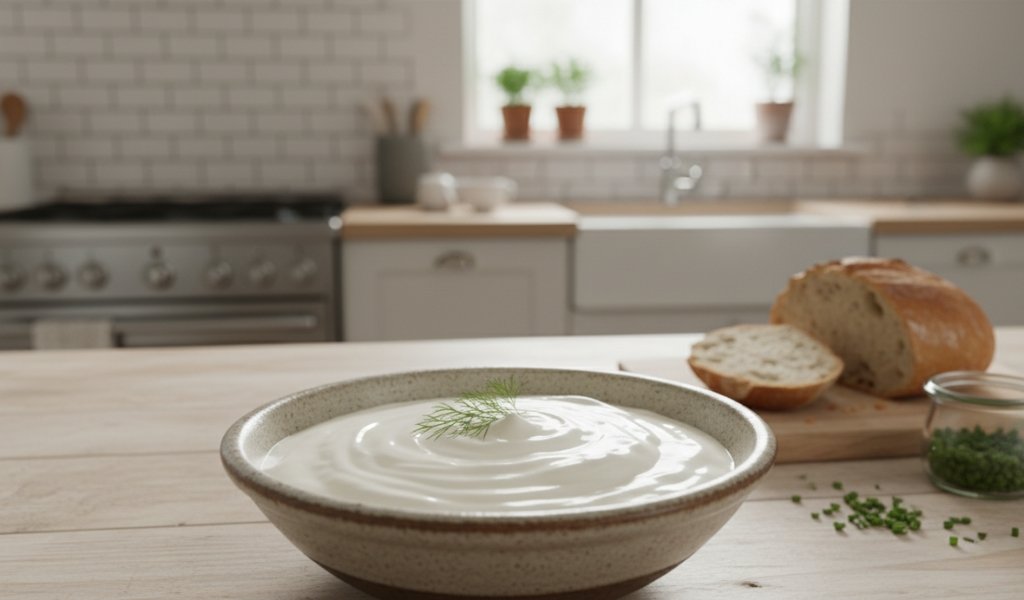
To understand how to store it, we first have to understand what it is. Sour cream is a dairy product produced by the fermentation of regular dairy cream with certain types of lactic acid bacteria.
The bacterial culture, which is introduced deliberately during manufacturing, sours and thickens the cream. This process is known as “ripening.” In modern production, the cream is pasteurized to kill harmful bacteria before the healthy cultures are added. The result is a thick, tangy, and creamy substance with a fat content usually around 18% to 20%.
The general rule of thumb for sour cream is that it remains at peak quality for about one to three weeks in the refrigerator when unopened. Once the container is opened, the clock starts ticking faster due to exposure to oxygen and potential contaminants from utensils.
| Condition | Estimated Shelf Life | Recommended Action |
| Unopened (Fridge) | 1–3 weeks (or until printed date) | Keep in the back of the fridge. |
| Opened (Fridge) | 7–10 days | Seal tightly; use clean spoons. |
| Room Temperature | 2 hours maximum | Discard if left out longer. |
| Frozen | 2–6 months | Best for baking only; texture changes. |
Whether you are using full-fat, reduced-fat, or fat-free varieties, the shelf life remains relatively consistent. While the fat content changes the texture, the microbial stability across these dairy products is similar.
When you bring a fresh tub home from the grocery store, it is protected by a vacuum seal or a foil layer. This prevents spoilage bacteria from entering the environment. According to the USDA, an unopened container can safely sit in a refrigerator (set to 40°F or below) for up to three weeks.
The moment you peel back that foil, you introduce air and moisture. Even if you are careful, microscopic mold spores can enter the tub. For this reason, most experts recommend consuming opened sour cream within 7 to 10 days. While it may look fine on day 12, the bacterial load begins to increase significantly after the first week.
Even though sour cream is already “soured” by beneficial bacteria, it is not immune to spoilage. Several factors contribute to its eventual breakdown:
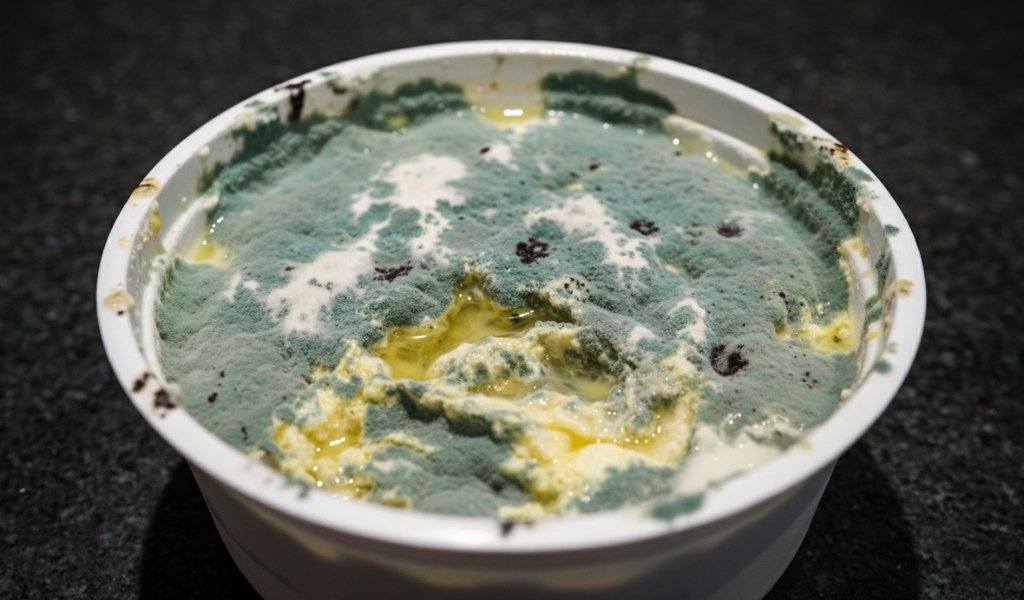
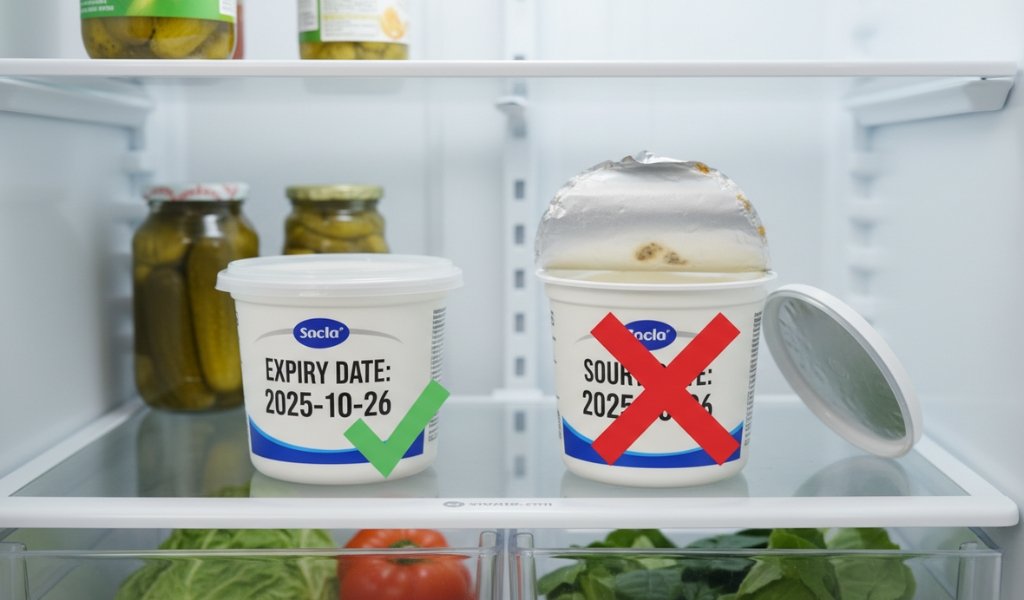
Determining if your sour cream is safe requires a quick “sensory check.” If you notice any of the following, do not risk a taste test—simply throw it away.
Fresh sour cream has a clean, tangy, and slightly acidic scent. If it smells rancid, musty, or like vinegar, it has gone bad. A sharp, “stinky” odor is a clear sign that spoilage bacteria have taken over.
While sour cream is naturally thick, it should be smooth. If it becomes grainy, slimy, or chunky (beyond the usual thickness), it is a sign of bacterial growth or protein breakdown.
Understanding the jargon on the lid is crucial for food safety. Most dairy containers feature one of three dates:
Pro Tip: Never rely solely on the date. Your nose and eyes are often better indicators of freshness than a printed number.
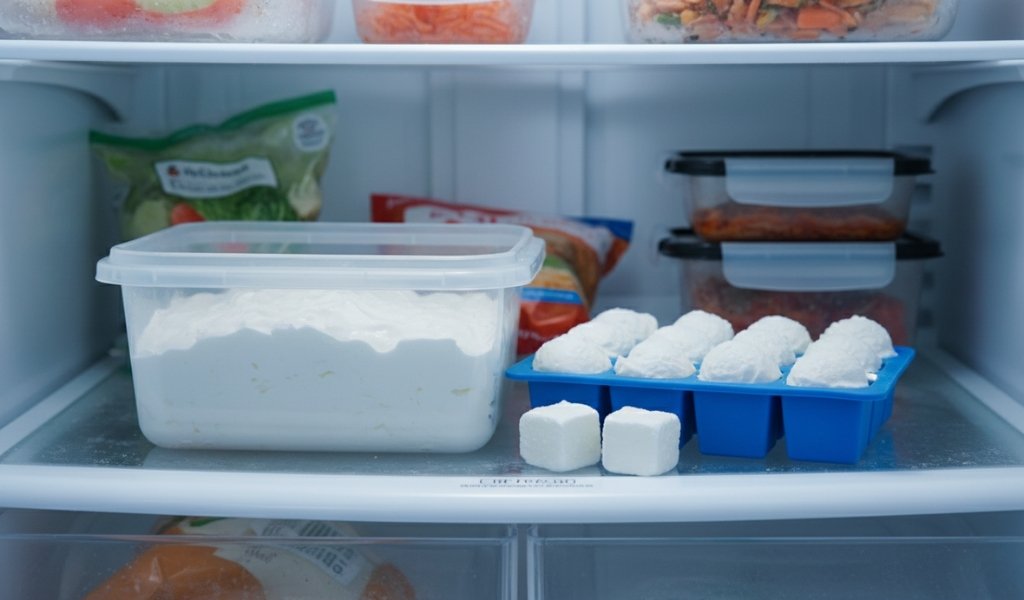
You might be tempted to stock up during a sale, but freezing sour cream is a controversial topic in the culinary world. While it is technically safe, the results are rarely “pretty.”
Sour cream is an emulsion of fat, water, and protein. When you freeze it, the water molecules turn into ice crystals, which physically break the protein structure. When you thaw it, the fat and water separate, leaving you with a grainy, lumpy, or thin liquid.
Because the texture is compromised, you should never use thawed sour cream as a topping for tacos or baked potatoes. However, it works perfectly well in:
If you must freeze it, don’t just throw the tub in the freezer. Follow these steps:
Eating spoiled dairy can lead to food poisoning, so it is vital to recognize the red flags.
To maximize the life of your sour cream, storage is everything.
While sour cream is a resilient condiment, it isn’t immortal. By keeping it tightly sealed in the coldest part of your fridge and using it within ten days of opening, you can enjoy its rich flavor without worry.Dairy products are highly sensitive to their environment; even if the container hasn’t reached its “Best-By” date, improper handling at the grocery store or during your commute home can cut its life short. Always trust your senses—if the smell or color feels “off,” it’s not worth the risk of food poisoning. Being mindful of these small storage details not only saves you money by reducing waste but also ensures that every dollop you serve is fresh, tangy, and delicious. When it comes to dairy, the golden rule remains: when in doubt, throw it out!
No. That liquid is whey, a natural protein found in dairy products. It often separates during shipping or after a spoon has been used. Simply stir it back in. If the liquid is accompanied by a foul smell or mold, then it is a sign of spoilage.
+1
No. Perishable foods like sour cream should not be left at room temperature for more than 2 hours. If the room is hotter than 90°F, that window shrinks to 1 hour. Bacteria like Staphylococcus aureus can grow rapidly in these conditions.
No. The shelf life is virtually the same. While the ingredients differ slightly, they are both pasteurized and cultured in similar ways, making them equally susceptible to spoilage once opened.
The best way is to minimize its time out of the fridge. Scoop out what you need for your meal into a separate bowl and immediately return the main tub to the refrigerator.
If you realize you’ve contaminated the tub with another food, it’s best to use the remaining cream within 24–48 hours. The foreign food particles will cause the cream to spoil much faster than the typical 7-10 day window.