Physical Address
304 North Cardinal St.
Dorchester Center, MA 02124
Physical Address
304 North Cardinal St.
Dorchester Center, MA 02124

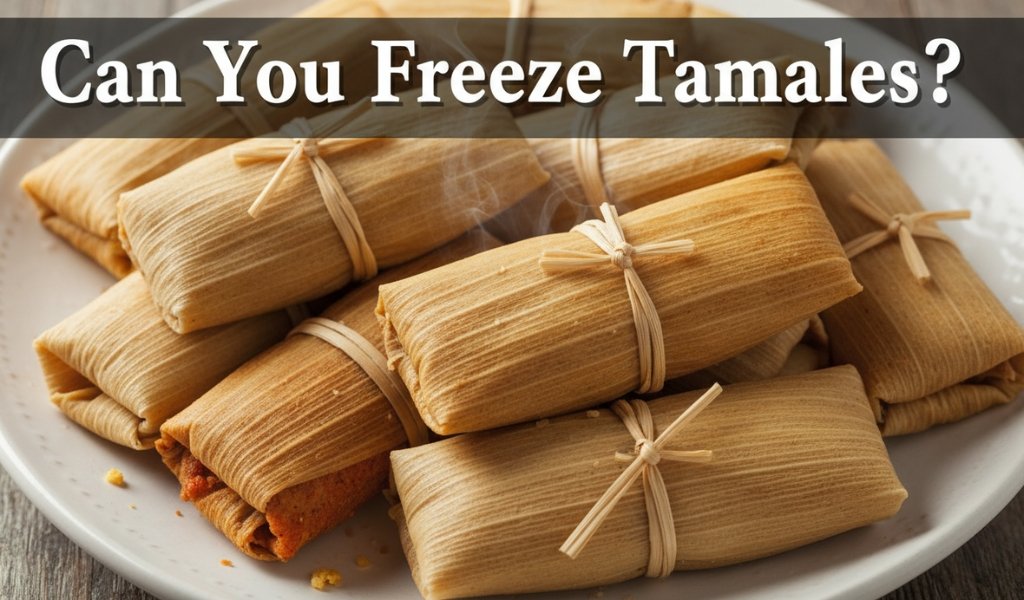
Tamales are far more than just a meal; they are a culinary labor of love that represents centuries of tradition. Whether you are participating in a multi-generational tamalada or simply stocking up on your favorite local street-food staples, you likely find yourself with a surplus. The question is: Can you freeze tamales without losing that signature pillowy texture and rich, savory flavor?
The answer is a resounding yes. In fact, to Freeze Tamales is one of the most effective ways to meal prep, ensuring you have access to an authentic Mesoamerican feast any night of the week. With over 1.5 billion tamales consumed annually in the U.S. alone, mastering the art of the frozen tamale is a modern essential for any home cook looking to balance convenience with heritage.
When we talk about the Basics of this dish, we are referring to a structure designed for portability and shelf-life. Originating in Mesoamerica as early as 8000 BC, tamales were originally crafted to sustain warriors and travelers over long distances. This “ancient blueprint” is exactly what makes them a powerhouse for modern cold storage.
Tamales thrive in cold environments. Unlike bread-based dishes that might become crumbly or pasta that can turn mushy, the masa dough’s corn-based structure creates a natural barrier. When you Freeze Tamales, the density of the masa protects the inner fillings from the harsh, drying air of the freezer. This makes them ideal for holiday planners or anyone craving homemade meals without the burden of daily cooking.
To understand why Freezing Tamales is so successful, we must look at the individual components. The secret to the dish’s resilience lies in the moisture-rich base that resists crystallization during cold storage.
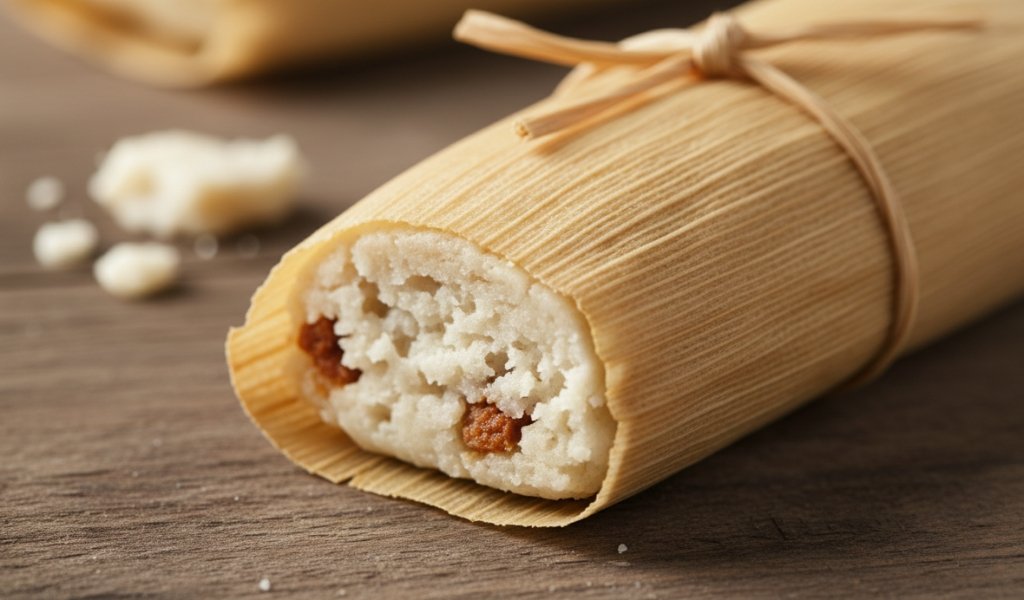
The pliable dough, known as masa, is made from nixtamalized cornmeal. When combined with fats like lard or vegetable shortening, it forms a protective “edible architecture.” This fat content is crucial; it coats the starch molecules, preventing them from bonding too tightly when frozen, which keeps the texture soft upon reheating.
Whether using broth, water, or milk, the hydration level of the masa determines its freezer life. Properly hydrated masa acts as a moisture reservoir, preventing the frozen tamales from turning into dry bricks.
Savory meats, beans, or sweet fruits are nestled in the center. Because they are encased in masa and then further shielded by a corn husk or banana leaf, they remain juicy. The wrapper acts as a secondary skin, buffering the contents from freezer odors and temperature fluctuations.
| Component | Role in Freezing | Common Variants |
| Masa Base | Maintains structure | Yellow/white cornmeal |
| Liquid | Prevents dryness | Water, broth, or milk |
| Fillings | Retains flavor | Pork, beans, pineapple |
| Wrapper | Natural barrier | Corn husk, banana leaf |
Preserving Tamales honors their heritage. Traditionally, families prepare large batches—often hundreds at a time—during major celebrations like Christmas (Las Posadas) or Candlemas. This labor-intensive process requires hours of assembly.
Freezing Tamales transforms this marathon of effort into year-round convenience. It ensures that the communal work of a tamalada isn’t lost to spoilage. In modern homecare and kitchen management, this practice is the ultimate “time capsule.” It allows a busy professional to pull a single frozen tamale from the freezer on a Tuesday night and enjoy a meal that tastes like it was just pulled from a steamer in Oaxaca.
Meal preparation enthusiasts across the country have discovered that Freezing Tamales is a top-tier “culinary hack.” If you are looking to streamline your kitchen routine, these corn-husked delights offer several advantages:
Imagine transforming a single Sunday of cooking into ready-to-eat meals for the next three months. Freezing Tamales eliminates the repetitive time spent mixing masa, soaking husks, or slow-cooking fillings every week.
Because each tamale is individually wrapped, they offer built-in portion control. You can reheat a single portion for a child’s snack or a dozen for an impromptu dinner party.
Interestingly, the cold environment can act like a flavor vault. Some spice blends and chili-based fillings actually meld and deepen during storage. Many find that frozen tamales, once properly reheated, taste even richer than “day-old” refrigerated ones because the freezing process locks in the aromatics at their peak.
You cannot simply toss a warm tamale into the freezer. Mastering the pre-freeze steps ensures your homemade bundles don’t suffer from texture degradation. There is a specific workflow to follow before you officially Freeze Tamales.
Freshly steamed batches need a gradual reduction in temperature.
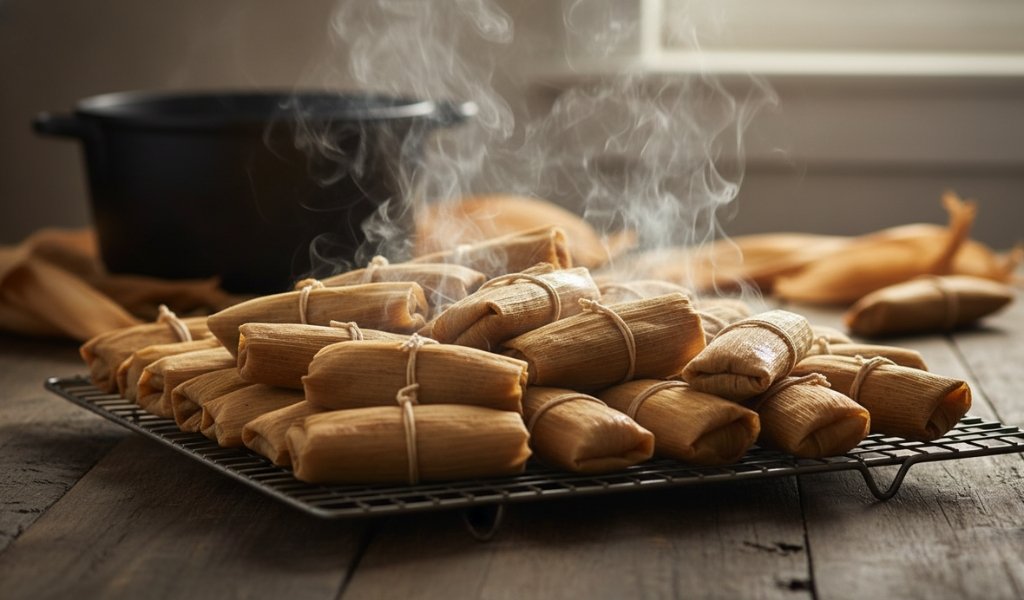
If you put a hot tamale directly into a cold freezer, you create a massive amount of condensation. This steam turns into large ice crystals, which tear the delicate fibers of the masa, resulting in a grainy or mushy texture once thawed.
To prepare your Tamales for the freezer, follow these cooling fundamentals:
Whether you are dealing with cooked leftovers or raw bundles intended for future steaming, the method matters.
Some prefer this method because the first time the tamale is steamed is right before consumption, leading to a “fresher” taste.
Protecting your masa creations from “icy invaders” requires a multi-layered defense. Freezer burn happens when air reaches the food surface, causing dehydration. Since Tamales are moisture-dependent, air is your primary enemy.
Choose your materials based on how long you plan to store your frozen tamales:
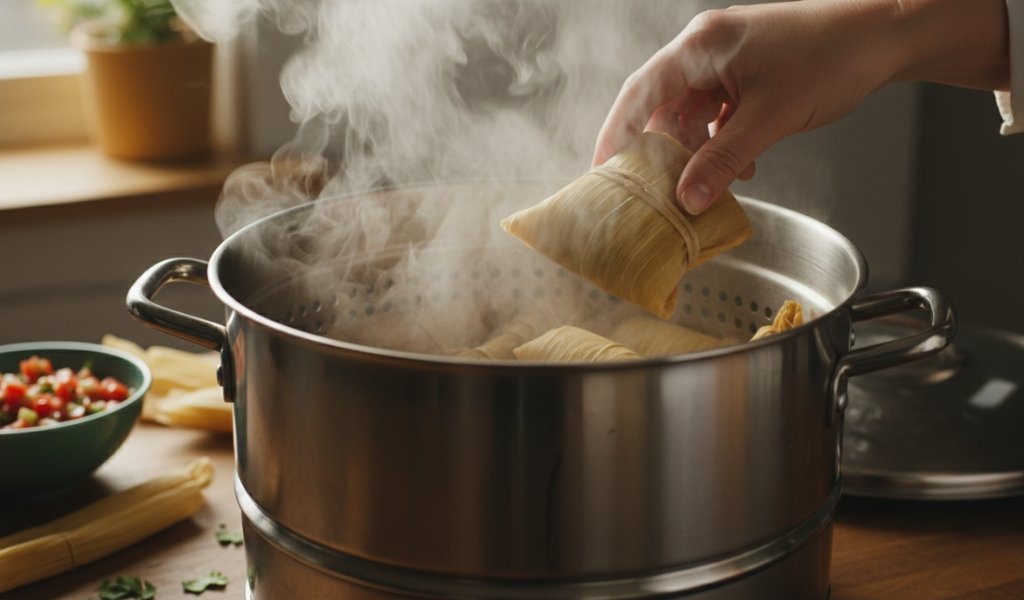
The final step in the journey of Freezing Tamales is bringing them back to life. You want to revive the masa’s pillowy softness without making it soggy.
This mimics the original cooking process.
Perfect for a quick lunch, but you must use a damp paper towel.
If you prefer a slightly charred or firm exterior:
Mastering the ability to Freeze Tamales is a game-changer for any household. It allows you to preserve the soul of a traditional dish while enjoying the benefits of modern efficiency. By focusing on the Basics—proper cooling, airtight wrapping, and gentle reheating—you can ensure that every frozen tamale you serve is just as delicious as the day it was made.
Would you like me to help you create a specific meal prep schedule or a guide on the best fillings for long-term freezing?
When stored correctly in airtight bags with a double-wrap of plastic or foil, they stay fresh for up to 6 months. Beyond this point, they are still safe to eat, but you may notice a slight loss in flavor intensity.
Yes, aluminum foil is one of the best barriers against the dry air found in home freezers. For best results, use it as a second layer over plastic wrap to ensure no air pockets remain.
Absolutely. Many people prefer to Freeze Tamales raw so they can steam them fresh. Use the flash-freeze method on a baking sheet first to ensure they don’t stick together in the bag.
The steamer basket is the gold standard. It provides the most consistent heat and preserves the authentic “cloud-like” texture of the masa. However, the microwave with a damp paper towel is a close second for speed.
This is usually a result of improper wrapping. If air touches the masa during storage, it will pull moisture out. To prevent this, ensure your frozen tamales are tightly sealed and consider a light brush of oil or lard on the masa before the initial freeze.
Yes, in a positive way! You should always leave the husks on during the freezing and reheating process. They act as a natural insulator and help the tamale retain its shape and moisture.
It is better to freeze them plain. High-moisture toppings like salsa or crema can separate or become watery when thawed, which might ruin the texture of the masa. Always add your fresh toppings after reheating.