Physical Address
304 North Cardinal St.
Dorchester Center, MA 02124
Physical Address
304 North Cardinal St.
Dorchester Center, MA 02124

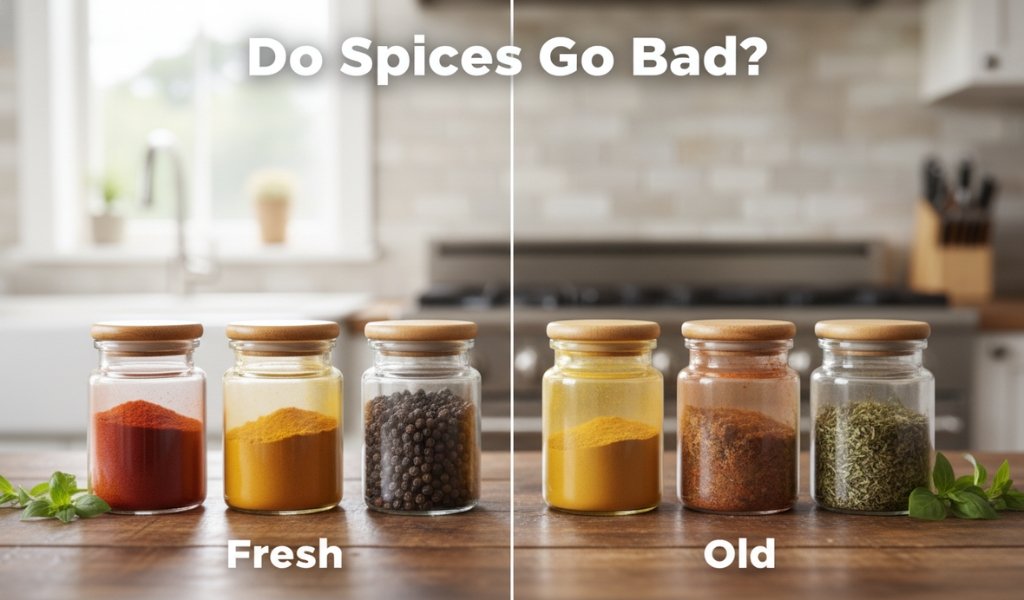
We have all been there: reaching into the back of the pantry during a weekend cooking session, only to pull out a dusty jar of cream of tartar or marjoram that looks like it belongs in a museum. You pop the lid, take a sniff, and… nothing. No punchy aroma, no sneezing fit, just a faint scent of cardboard. It begs the question: Do spices go bad?
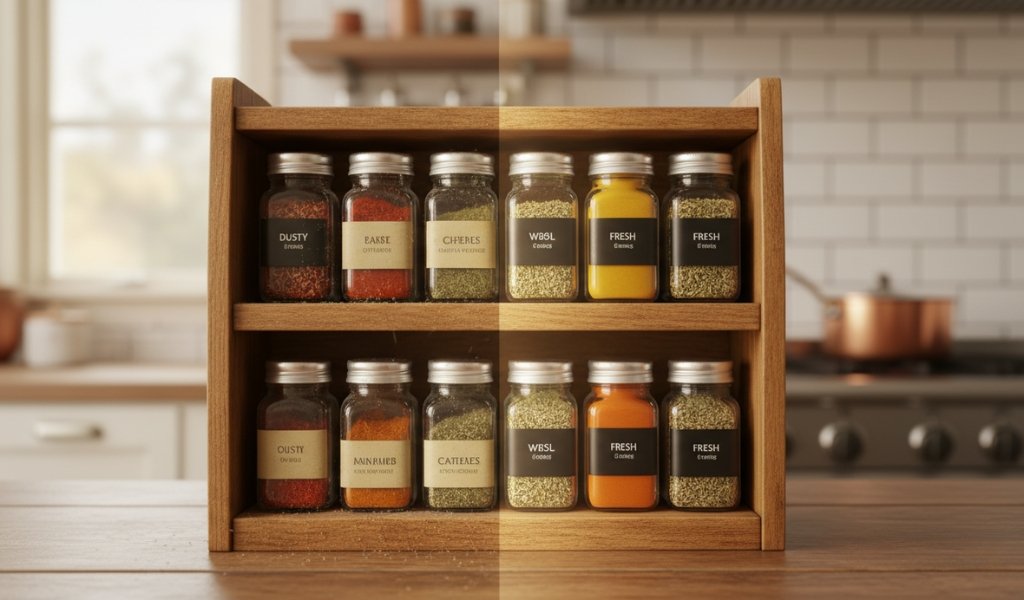
While a bottle of milk clearly announces its demise with a sour stench, spices are more subtle. They don’t typically “spoil” in a way that will make you sick, but they do “die” in terms of culinary utility. Understanding the lifespan of your herbs and spices is the secret to moving from a mediocre home cook to a kitchen maestro. This guide explores the science of seasoning, how to maximize the shelf life of your herbs, and when it’s finally time to bid farewell to those ancient jars.
To understand if spices go “bad,” we first have to understand what makes them “good.” The flavor and aroma we love in seasoning come from volatile oils. These oils are chemical compounds that are released when the plant material is crushed, heated, or even just exposed to air.
Over time, a process called oxidation occurs. As oxygen hits these volatile oils, they begin to evaporate and break down. This is why a freshly cracked peppercorn smells like a punch to the nose, while pre-ground pepper often smells like dust. Light and heat also act as catalysts, speeding up the chemical degradation. When you see your paprika turn from a vibrant crimson to a muddy brown, you are witnessing the literal death of its flavor compounds.
The lifespan of your seasoning depends entirely on its physical form and how it was processed. Generally, the more “whole” a spice is, the longer it survives.
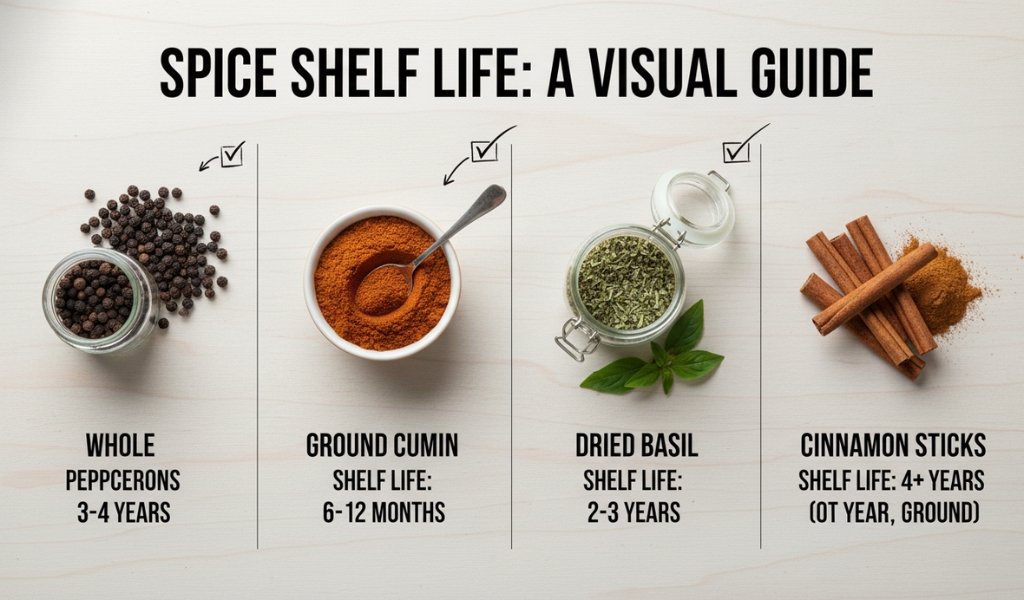
| Category | Typical Shelf Life | Examples |
| Whole Spices | 3 – 4 Years | Peppercorns, cinnamon sticks, cloves, whole nutmeg. |
| Ground Spices | 2 – 3 Years | Cumin, paprika, garlic powder, ground ginger. |
| Dried Herbs | 1 – 3 Years | Basil, oregano, thyme, rosemary, bay leaves. |
| Spice Blends | 1 – 2 Years | Taco seasoning, curry powder, Italian seasoning. |
| Extracts | 3 – 4 Years (Vanilla is indefinite) | Almond extract, lemon extract, peppermint. |
Pro Tip: If you buy herbs and spices in bulk, always write the “Date Opened” on the lid with a permanent marker. Manufacturers’ expiration dates often refer to the unopened shelf life, but the clock starts ticking the moment you break that seal.
If you want the most bang for your buck, always choose whole spices over ground ones.
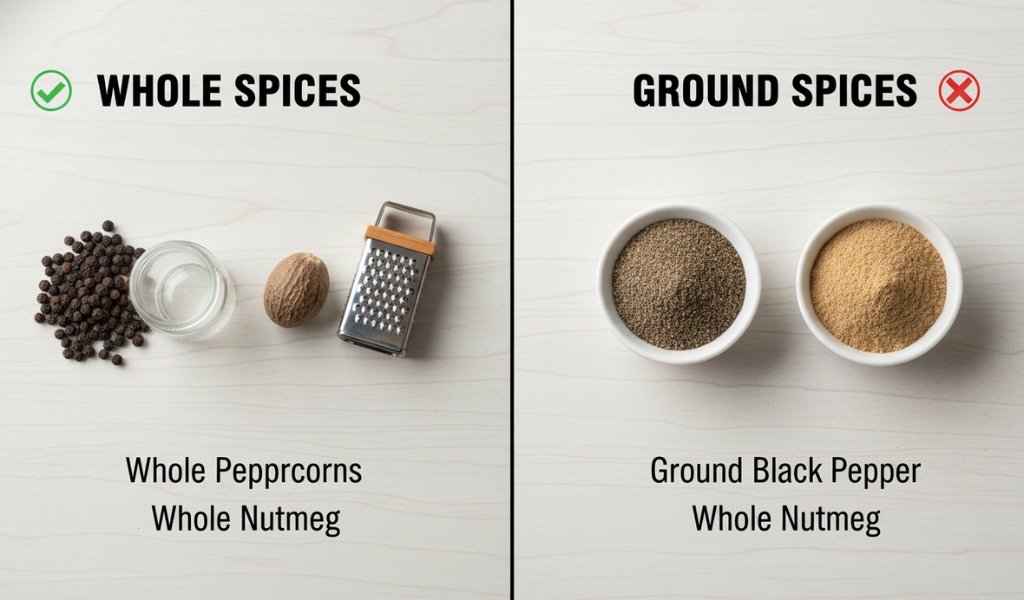
When a spice is ground, its surface area increases exponentially. This massive exposure to oxygen causes the oils to dissipate almost immediately. A whole nutmeg nut can sit in a jar for five years and still provide a sharp, sweet aroma the moment you grate it. In contrast, pre-ground nutmeg will lose its “soul” within 12 to 18 months.
Using a dedicated spice grinder or a mortar and pestle to grind your seasoning right before cooking is the single most effective way to elevate your culinary game.
The Solution: Store your collection in a cool, dark drawer or a pantry cabinet away from heat sources.
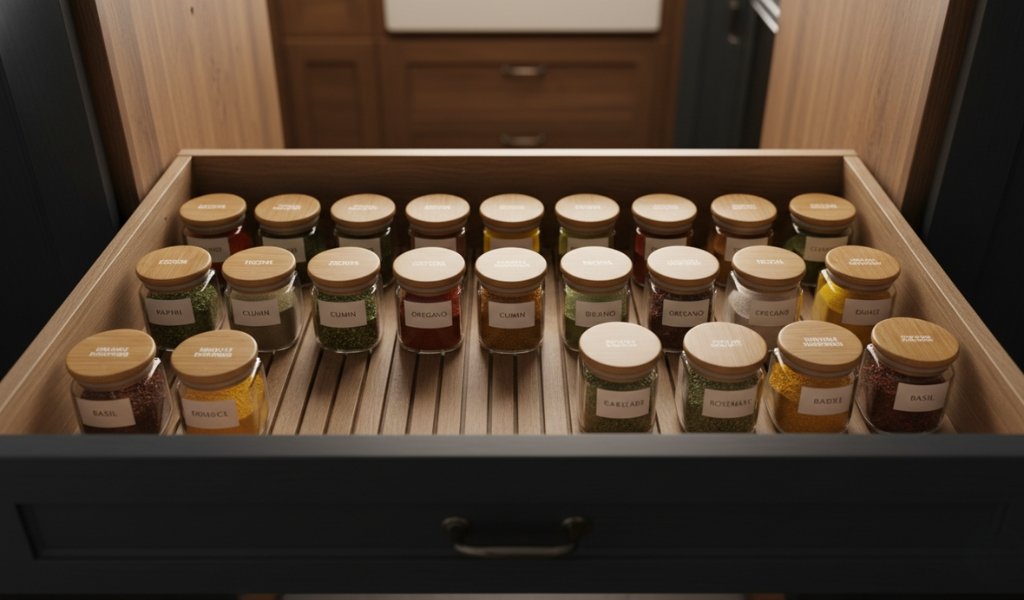
Use glass or ceramic airtight containers. If you must sprinkle spice into a steaming pot, shake it into your hand first, then toss it in, rather than holding the jar over the steam.
Toasting: Take your ground or whole spices and put them in a dry skillet over medium heat for 1–2 minutes. Shake the pan constantly. The heat will draw the remaining oils to the surface, intensifying the flavor. This works wonders for cumin, coriander, and chili powder. Just be careful—once you smell the aroma, they are done. If they burn, they become bitter and must be tossed.
The good news? Eating three-year-old dried oregano probably won’t land you in the hospital. The bad news? It might ruin your dinner.
However, there is a minor health consideration. Fresh herbs and spices are packed with antioxidants and anti-inflammatory compounds (like the curcumin in turmeric or the capsaicin in peppers). As the spice ages and the oils evaporate, these health benefits diminish. To get the medicinal “boost” often associated with these plants, freshness is mandatory.
Sanding down the rough edges of a recipe often requires the perfect pinch of seasoning. By treating your herbs and spices with a little respect and keeping track of their age, you ensure that every meal you cook is as flavorful as possible.
A: Yes! The date on the bottle is a quality indicator, not a safety warning. As long as the spice is dry, free of mold, and still has a scent, it is safe to consume. You may just need to use a little more than the recipe calls for to achieve the desired flavor.
A: Generally, no. Every time you take the jar out of the freezer, condensation forms inside the bottle. This moisture causes the seasoning to clump and lose flavor faster. The only exception is red-colored spices (like paprika and chili powder), which can benefit from the cold to maintain their color, provided the container is perfectly airtight.
A: Garlic and onion powders are extremely “hygroscopic,” meaning they suck moisture out of the air. This usually happens if the lid wasn’t tight or if you shook the jar over a steaming pot. You can sometimes break it up with a fork, but the flavor is likely diminished.
A: Pure vanilla extract is made with a high percentage of alcohol, which acts as a permanent preservative. It will actually improve with age, much like a fine wine. However, “imitation” vanilla and other extracts like lemon or almond do lose their flavor over time and should be replaced every few years.
A: Glass is superior. Plastic is porous and can allow small amounts of air to seep in over time. Glass provides a much better barrier against oxygen and doesn’t absorb the scents of the herbs and spices themselves.