Physical Address
304 North Cardinal St.
Dorchester Center, MA 02124
Physical Address
304 North Cardinal St.
Dorchester Center, MA 02124

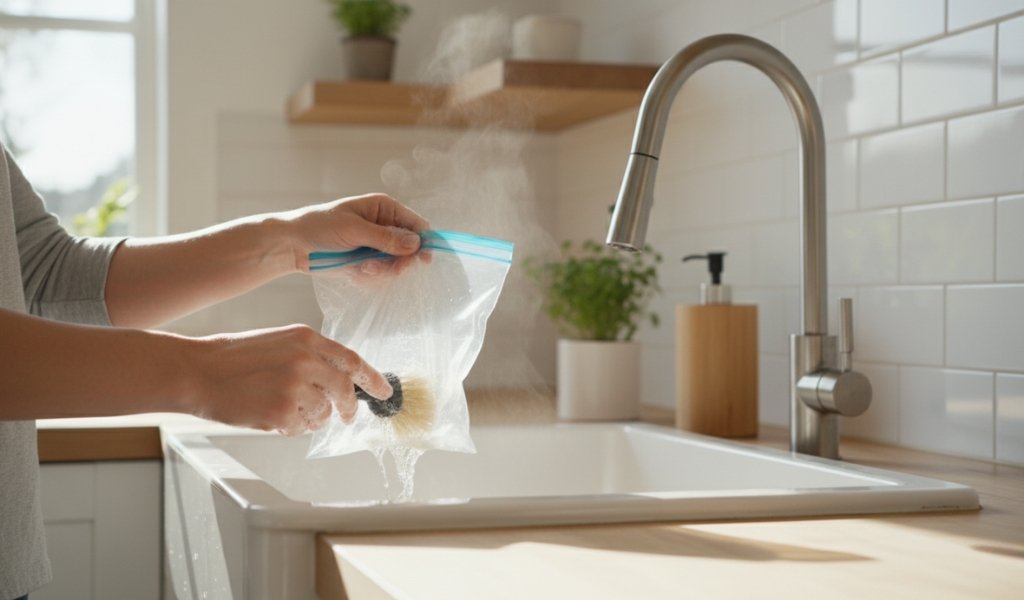
In a modern kitchen, convenience often comes in a clear, plastic package. Whether you are prepping a week’s worth of smoothie packs, marinating a flank steak, or just trying to keep half an avocado from turning brown, Ziploc bags and other zipper bags are the unsung heroes of food preservation.
However, as we become more conscious of our environmental footprint, the “single-use” label on these kitchen staples has started to feel a bit heavy. We’ve all stood at the kitchen sink, holding a slightly used bag, wondering: Can I really wash and reuse Ziploc bags, or am I just inviting bacteria to dinner?
This comprehensive guide explores the art and science of extending the life of your food storage, helping you save money and reduce plastic waste without compromising your family’s health.
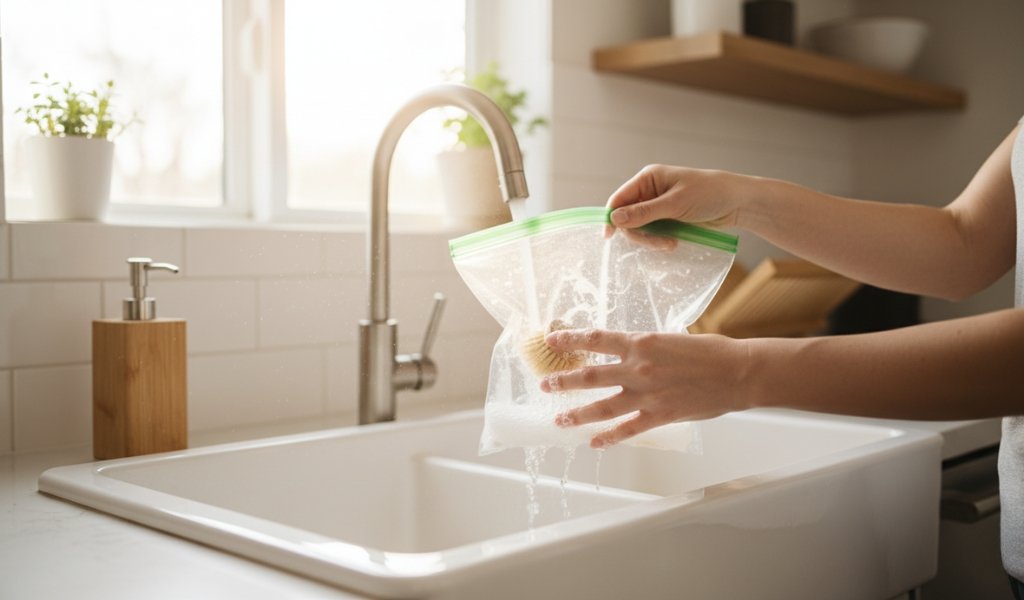
The average American household uses hundreds of plastic bags a year. While Ziploc products are incredibly durable, they are often treated as disposable. By choosing to reuse Ziploc bags, you aren’t just saving a few cents per bag—though that adds up to a significant amount over a year—you are actively keeping high-quality polyethylene out of landfills.
Modern zipper bags are engineered to be airtight and moisture-resistant. This structural integrity means they can withstand much more than a single trip from the pantry to the lunchbox. When we treat these items as multi-use tools rather than trash, we shift our kitchen culture from “disposable” to “sustainable.”
It is a common myth that washing plastic bags releases toxic chemicals immediately. While some plastics (like those containing BPA) are a concern, most name-brand Ziploc bags are made from high-quality plastic that is BPA-free.
According to representatives from SC Johnson (the parent company of Ziploc), their food storage bags can be hand-washed, rinsed, and reused. The caveat? It all depends on what was in the bag first. The plastic itself is sturdy enough for a scrub, but the “safety” aspect is more about cross-contamination than the degradation of the material.
Before you start a sudsy soak, you need to audit your bag’s history. Not every bag is a candidate for a second life.
To properly wash Ziploc bags, you need to be gentle but thorough.
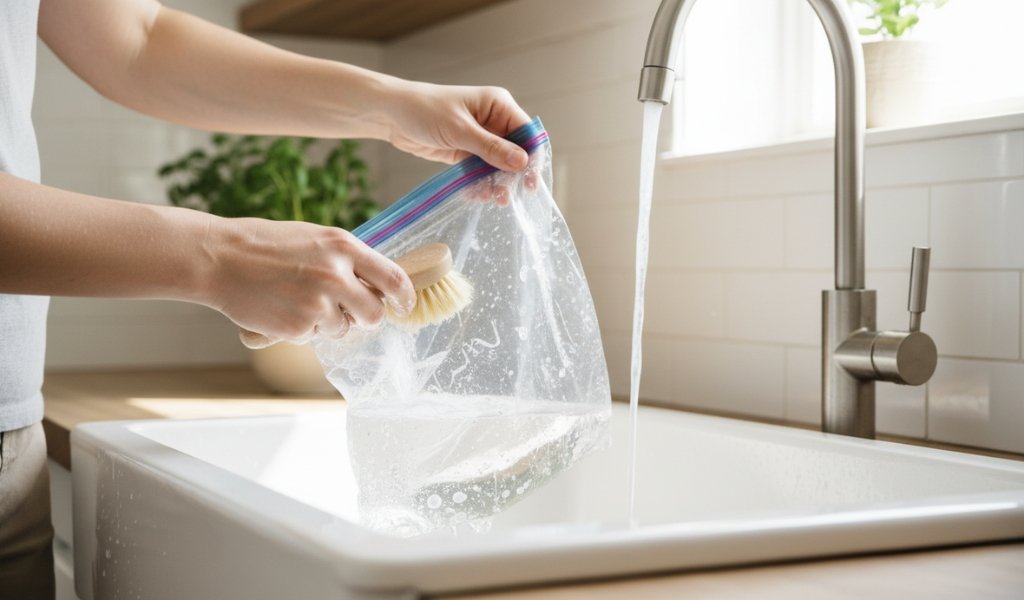
Forget the dishwasher; the high heat can warp the plastic and compromise the “zip” seal.
The biggest mistake people make when they reuse Ziploc bags is storing them while they are still damp.
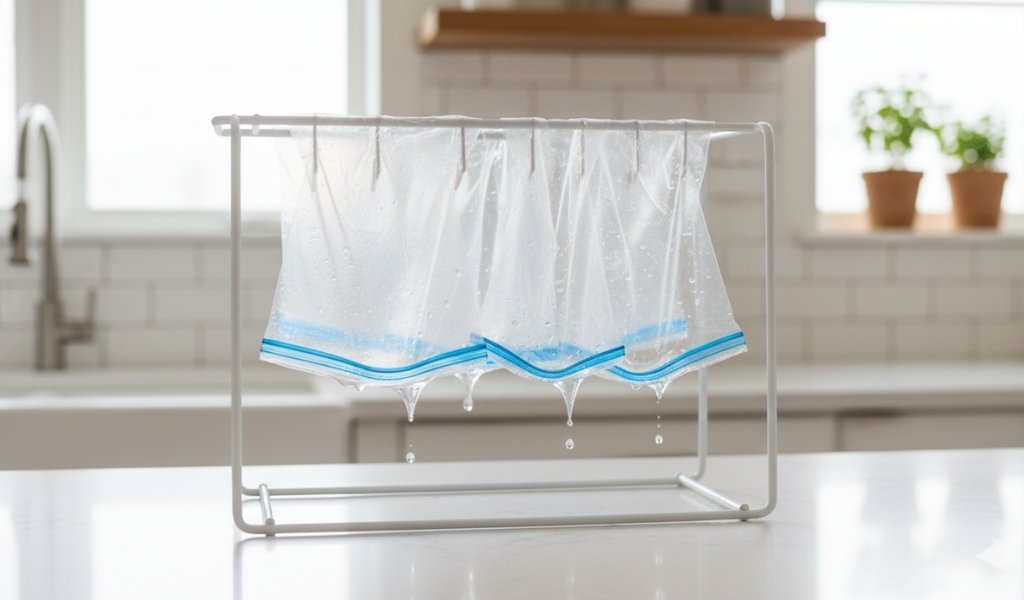
This creates a breeding ground for bacteria.
How long can you keep the cycle going? Generally, a high-quality Ziploc freezer bag can be washed and reused up to 10 times.
Signs it’s time to retire the bag:
To keep your kitchen looking tidy, designate a specific drawer or a “reuse bin” for your clean, dry bags. Fold them neatly or lay them flat. By keeping them separate from the brand-new box, you can ensure you’re reaching for the “recycled” ones first, truly maximising their utility.
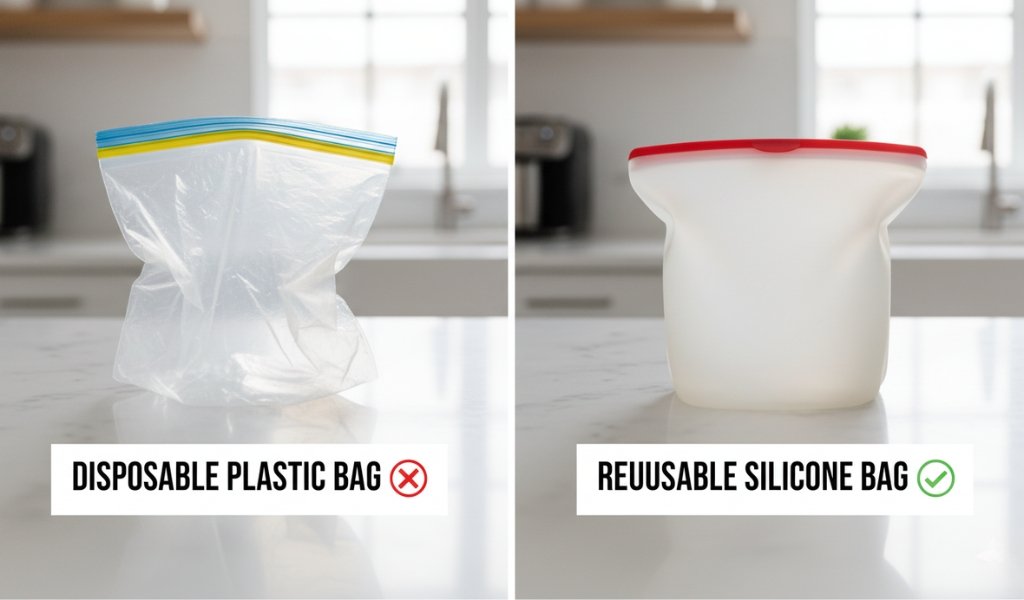
If you find that you enjoy the process of washing and reusing, you might be ready to upgrade to reusable Ziploc bags made of silicone or heavy-duty PEVA.
| Feature | Standard Ziploc (Reused) | Silicone Reusable Bags |
| Material | Polyethylene | Food-grade Silicone |
| Durability | Moderate (5-10 uses) | High (Years of use) |
| Heat Resistance | Low (Do not heat) | High (Often oven/boil safe) |
| Cost | Pennies | $8 – $20 per bag |
| Cleaning | Hand wash only | Dishwasher safe |
Investing in a few silicone bags for heavy-duty tasks (like sous-vide or freezing liquids) while washing your standard zipper bags for dry snacks is a winning strategy for any eco-friendly kitchen.
When a bag reaches the end of its life, don’t just throw it in your curbside bin. Most municipal recycling programs cannot process “film plastic” because it gets tangled in the sorting machines.
Final Thoughts: Small Steps, Big Impact
Learning how to wash Ziploc bags is a small habit that yields big results. It’s a testament to the fact that we don’t need to be perfect environmentalists to make a difference. By simply giving a plastic bag a second or third life, you are participating in a circular economy and teaching yourself to value the resources already present in your kitchen.
Q: Can I put Ziploc bags in the dishwasher?
A: It is generally not recommended. The high heat of a dishwasher (especially the drying cycle) can melt the plastic or warp the zipper track, making the bag useless. Hand washing in warm, soapy water is the safest method.
Q: Is it safe to microwave a reused Ziploc bag?
A: While many Ziploc bags are microwave-safe for one-time use, we recommend against microwaving a bag that has been washed multiple times. The integrity of the plastic may have thinned, making it less resistant to heat.
Q: Can I reuse bags that hold raw vegetables?
A: Yes! As long as the vegetables weren’t rotten or moldy, a standard wash with soap and water makes these bags perfectly safe for reuse.
Q: How do I get rid of the “plastic smell” in my bags?
A: A quick rinse with a mixture of water and a teaspoon of baking soda can help neutralize odors. However, if a smell persists, it’s a sign that the plastic has absorbed organic matter and should be recycled.
Q: Do I have to use a specific soap to wash Ziploc bags?
A: No, any standard liquid dish soap will work. Avoid using harsh bleaches or abrasive cleaners, as these can scratch the plastic and create tiny grooves where bacteria can grow.
Q: Can I freeze liquids in a reused bag?
A: You can, but proceed with caution. Every time you wash a bag, the seams undergo a bit of stress. If you are freezing soup or stock, it is better to use a fresh freezer-grade bag or a permanent silicone reusable bag to avoid messy leaks in your freezer.