Physical Address
304 North Cardinal St.
Dorchester Center, MA 02124
Physical Address
304 North Cardinal St.
Dorchester Center, MA 02124

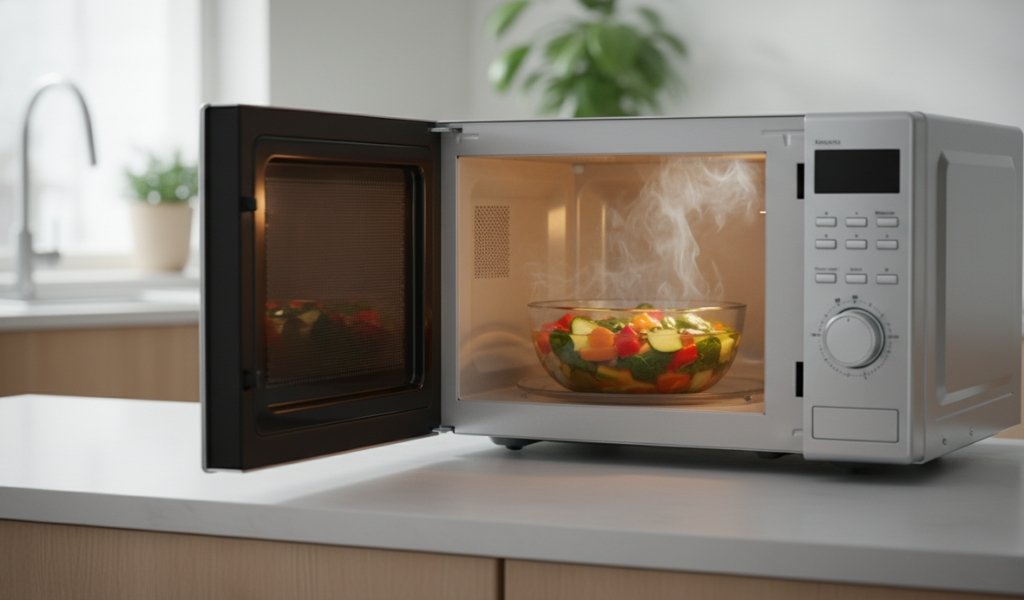
When it comes to modern kitchen convenience, the microwave is king. However, one of the most persistent questions for home cooks remains: can you microwave glass? While the short answer is generally “yes,” the full explanation involves understanding the science of thermal shock, the manufacturing process of glass cookware, and the specific safety guidelines for high-end appliances like a Kitchen-aid microwave.
In this comprehensive guide, we will explore the nuances of microwave glass safety to ensure your leftovers are heated thoroughly without a shattered mess.
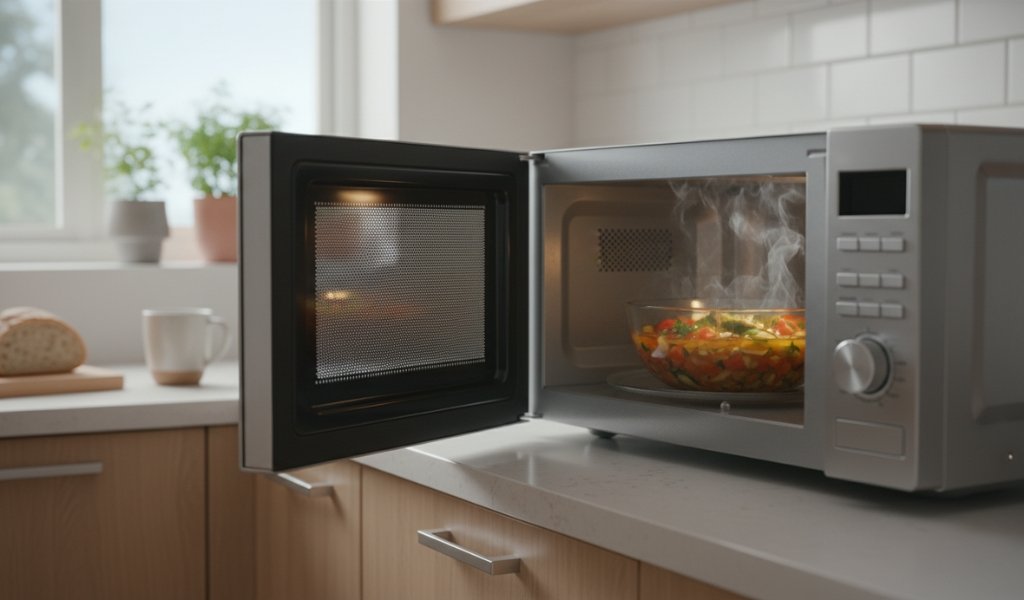
The primary concern when putting microwave glass into an appliance is whether the material can withstand the rapid agitation of water molecules. Unlike metal, which reflects microwaves, or some plastics, which can melt, glass is “microwave transparent.” This means the waves pass through the glass to heat the food directly.
However, not all glass is created equal. Standard window glass or thin decorative glass is not designed for the intense localized heat of a microwave. Most modern glass cookware is specifically treated to handle these environments.
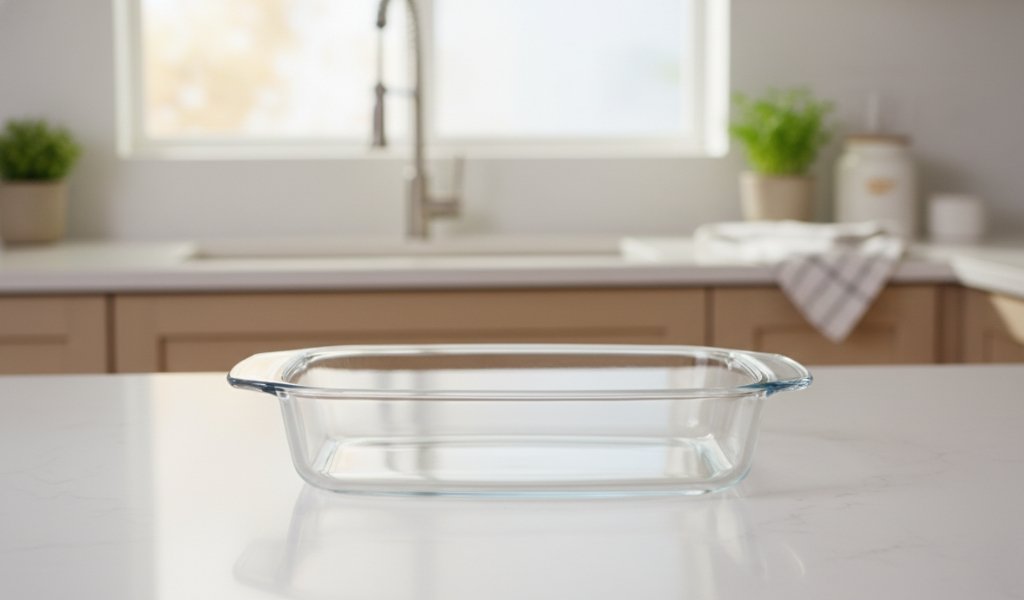
What is Tempering? Tempering is a thermal or chemical treatment that increases the strength of the glass. During manufacturing, the glass is heated and then rapidly cooled (a process called annealing). This creates internal compression, making the glass much more resistant to impact and temperature fluctuations.
Even the strongest glass cookware has a weakness: Thermal Shock. This occurs when one part of the glass expands or contracts faster than the part next to it.
Imagine taking a glass bowl out of a -18°C freezer and immediately blasting it with high-frequency radiation. The edges might heat up while the center remains frozen. This “pulling” effect can cause the glass to crack or, in extreme cases, explode outward.
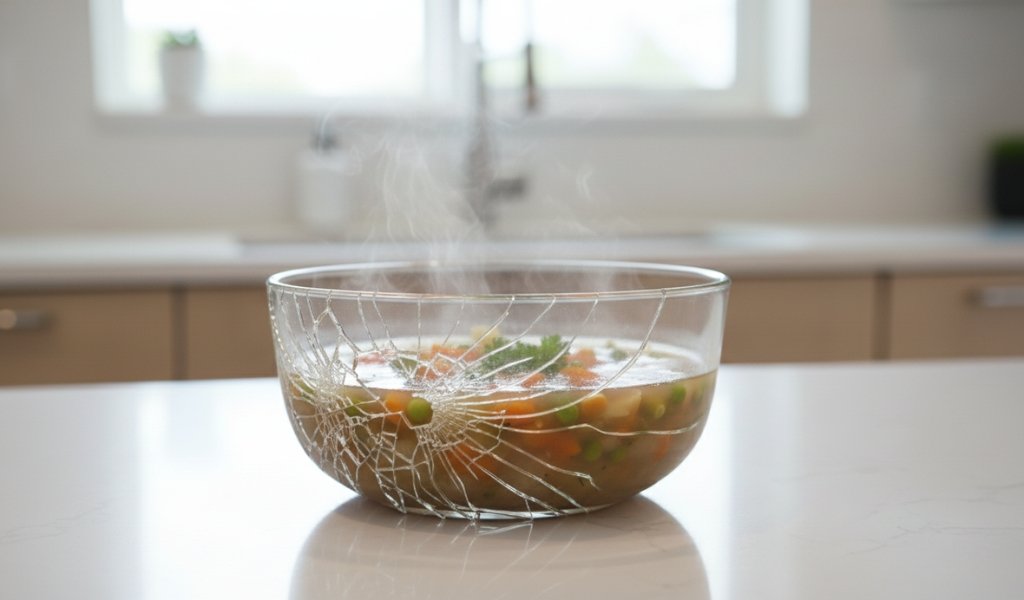
This is why you must be cautious when using microwave glass for frozen items.
Pyrex is perhaps the most famous name in glass cookware, but it has a complex history.
To be safe, always check for the microwave-safe icon on the bottom of your Pyrex dishes before use.
When you microwave glass, you are making a choice for long-term health and environmental sustainability. While many plastics are now BPA-free, they can still be unstable when exposed to high heat.
Generally, yes, but the shape and thickness matter. A thick, heavy glass bowl will absorb more heat from the food than a thin one.
Pro Tip: If you are heating a dense soup in a glass bowl, the edges of the bowl will get hot very quickly. Use the “rotate” function on your Kitchen Aid microwave to ensure even distribution, and always stir the contents halfway through the cycle.
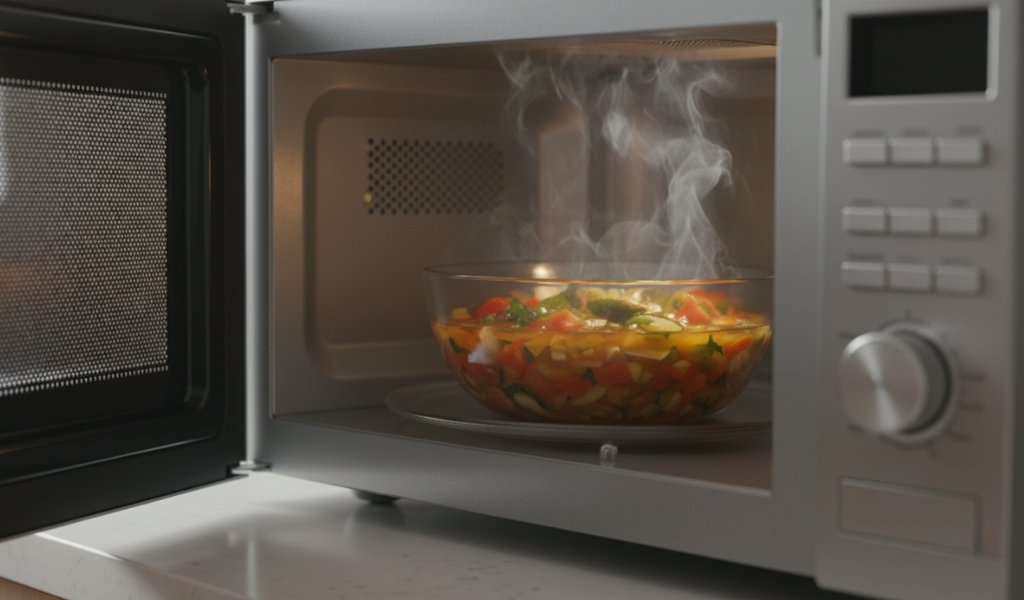
Transitioning glass cookware from the freezer to the microwave is the most common way people accidentally shatter their favourite dishes. To prevent a dangerous mess, follow these expanded safety protocols:
Not all microwave glass is created equal, and some items should stay far away from your kitchen-aid microwave.
High-end appliances like a Kitchen-aid microwave often have high wattage (1000W+). This means they heat food faster, but it also increases the risk of thermal shock for your microwave glass.
Using features like “Sensor Cook” can help, as the microwave adjusts power levels based on the steam released, preventing the glass from reaching dangerously high temperatures too quickly.
Understanding whether you can microwave glass is about more than just checking for a label; it’s about respecting the physics of the materials in your kitchen. By choosing high-quality, tempered glass cookware, you are opting for a healthier, more durable, and more sustainable way to cook.
Always remember that even the strongest tempered glass has its limits. Patience is your best tool—taking the extra few minutes to thaw a dish or use a lower power setting can save you from the “violent shattering” that occurs when glass is pushed too far. Treat your microwave glass with care, keep it away from extreme temperature shocks, and it will serve your kitchen for decades to come.
You can perform a simple test: Fill a known microwave-safe cup with water and place it inside the mystery bowl. Microwave both for one minute. If the water is hot but the mystery bowl remains cool, the bowl is microwave-safe. If the bowl is hot and the water is cold, the glass is absorbing energy and is not safe for use.
Most Mason jars are intended for canning and can handle heat, but they are not always tempered for the specific radiation of a microwave. If you use them, avoid using the metal lids and ensure the jar is not cold when you start.
This is usually due to an existing “micro-crack” or scratch that you couldn’t see, or thermal shock. If you placed a cold bowl on a hot microwave turntable, the stress at the point of contact could cause a fracture.
Only if the lid is also microwave-safe and is not airtight. If you seal a glass jar or container, the steam pressure will build up until the glass or the lid explodes. Always leave the lid slightly ajar to vent steam.
The air inside a microwave doesn’t get “hot” like an oven, but the turntable or the food inside does. Avoid placing a chilled glass container onto a turntable that is already hot from previous use.