Physical Address
304 North Cardinal St.
Dorchester Center, MA 02124
Physical Address
304 North Cardinal St.
Dorchester Center, MA 02124

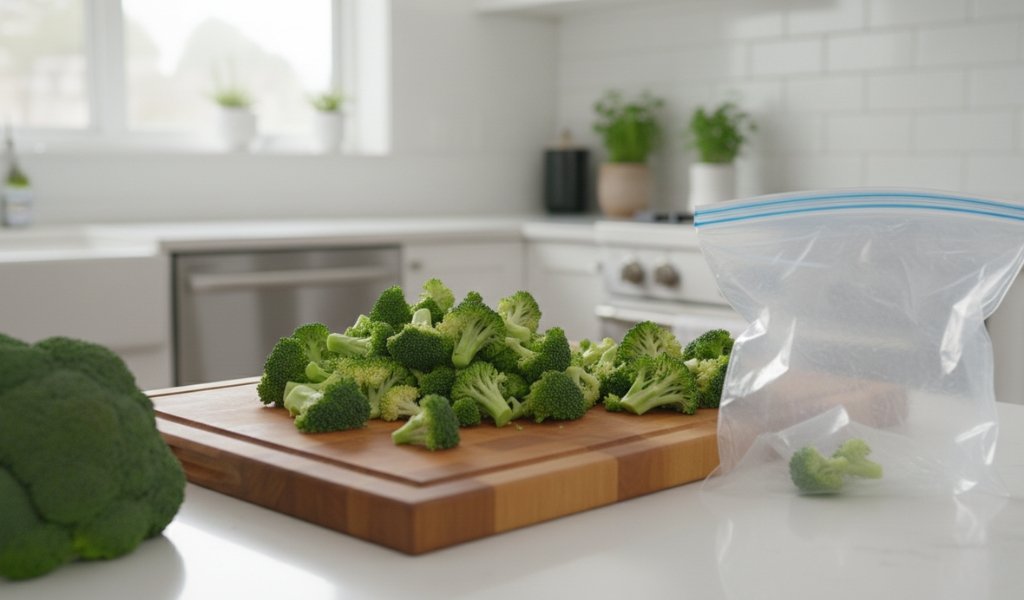
If you have ever stared at a beautiful, giant crown of broccoli in your refrigerator, knowing you can’t possibly finish it before it turns yellow and limp, you’ve asked the golden question: can you freeze broccoli? The answer is a resounding yes. In fact, learning how to freeze broccoli is perhaps the single best “kitchen hack” for reducing food waste, saving money during inflation, and ensuring your family has access to high-quality nutrition even on your busiest nights. While the process is simple, there is a distinct difference between “frozen broccoli” that tastes like water-logged cardboard and frozen broccoli that maintains its snap, color, and earthy sweetness.
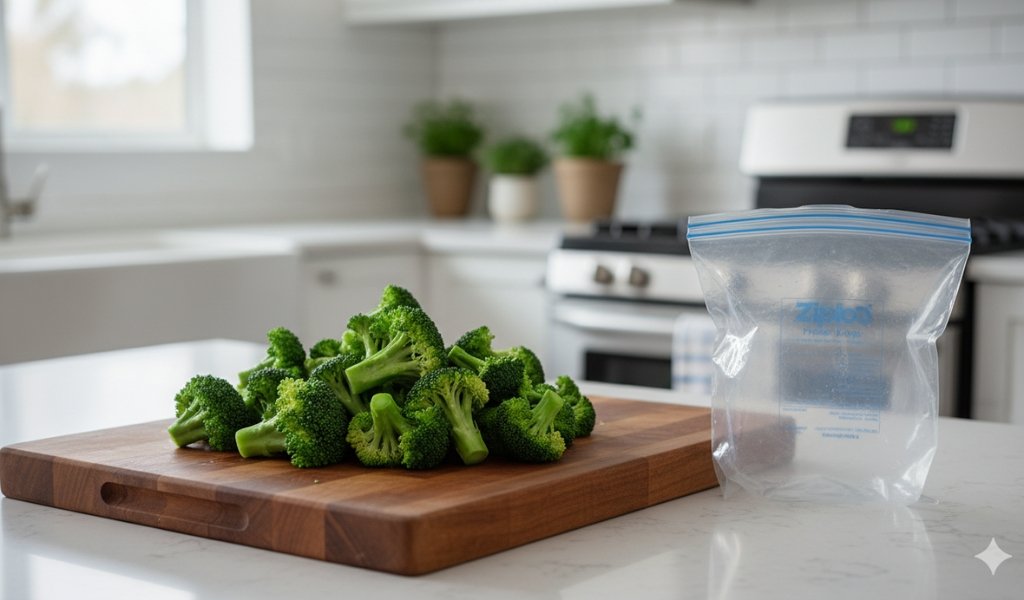
The short answer is yes, but the long answer involves understanding what happens at a cellular level. Broccoli is a calciferous vegetable with a high water content and a rigid cellular structure made of cellulose. When you freeze fresh broccoli, the water inside the cells expands into ice crystals.
If you don’t prepare the vegetable correctly, these ice crystals can rupture the cell walls, leading to a mushy texture upon thawing. Furthermore, all raw vegetables contain active enzymes that lead to the loss of color, flavor, and nutrients over time—even at $0^\circ F$ ($-18^\circ C$). Proper freezing techniques “deactivate” these enzymes, ensuring that the broccoli you pull out six months from now tastes just as vibrant as the day it was harvested.
There are four primary reasons why you should prioritize freezing broccoli as part of your kitchen routine:
Success starts with the right tools. You don’t need expensive equipment, but having these items ready will make the process of how to freeze broccoli much smoother:
Soak your broccoli in a bowl of cold water with a splash of white vinegar for 5–10 minutes. This helps dislodge any hidden aphids or debris common in organic broccoli. Rinse thoroughly.
Separate the florets from the main stalk. Aim for “bite-sized” pieces (about 1–2 inches wide).
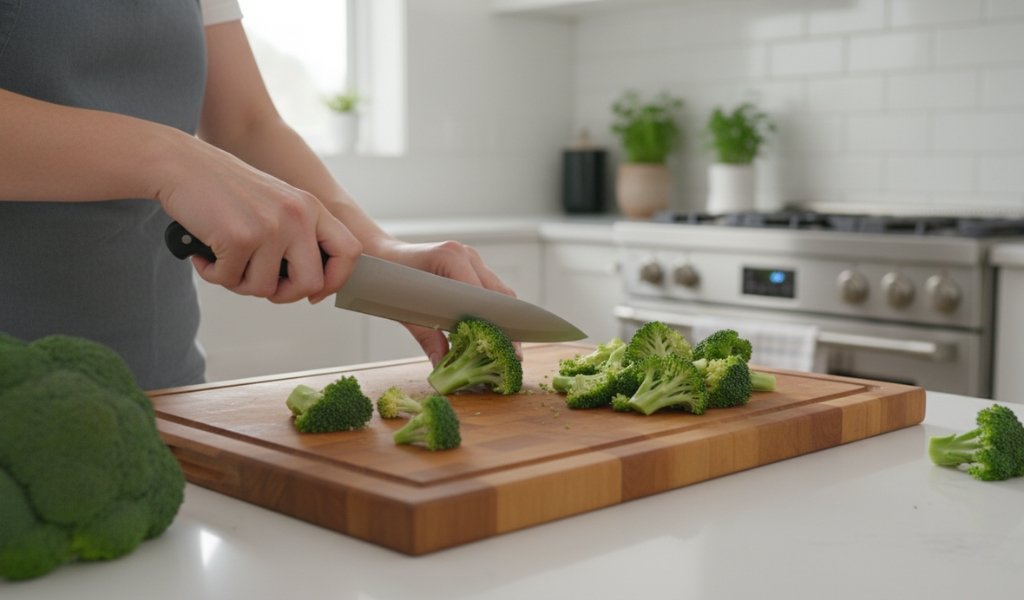
Pro-Tip: Do not discard the stalks! Peel the tough outer skin of the stalk with a vegetable peeler to reveal the tender, lime-green interior. Slice these into “coins.” They have a wonderful sweetness and add great texture to soups.
Bring your water to a rolling boil. Do not add salt (it can soften the texture too much).
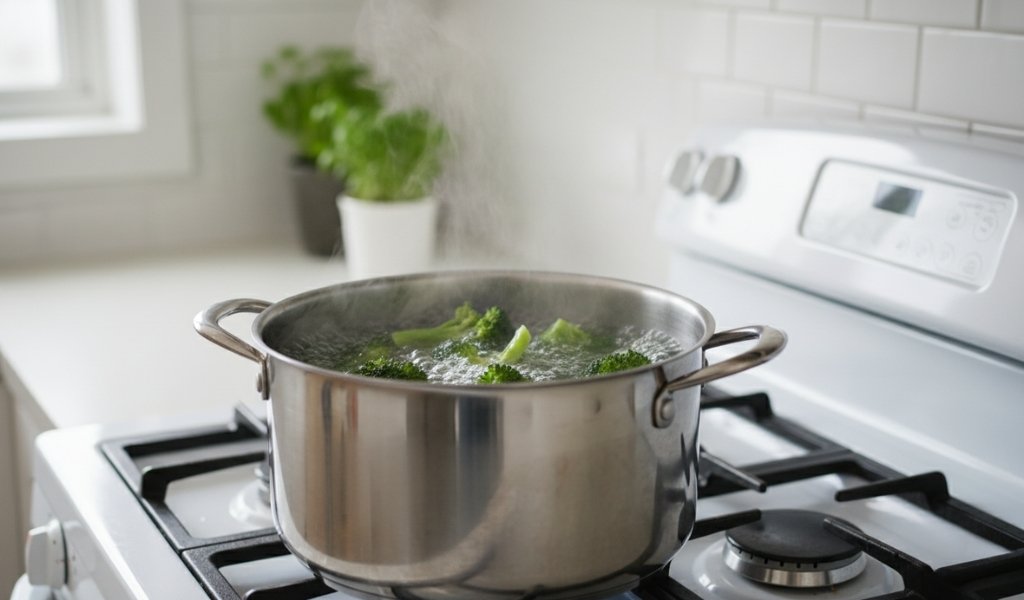
Using a slotted spoon, move the broccoli immediately into the ice bath. Let it sit for exactly as long as it boiled (3 minutes). This stops the cooking process and preserves the bright green chlorophyll.
Many people ask: can fresh broccoli be frozen raw? Technically, yes—but with significant caveats.
If you choose not to blanch, the enzymes within the vegetable remain active. Over the course of 4–6 weeks, these enzymes will begin to break down the structure and flavor.
If you put wet broccoli directly into a bag, you get a “broccoli brick.” To get individual, pour-able florets, use the flash freeze method:
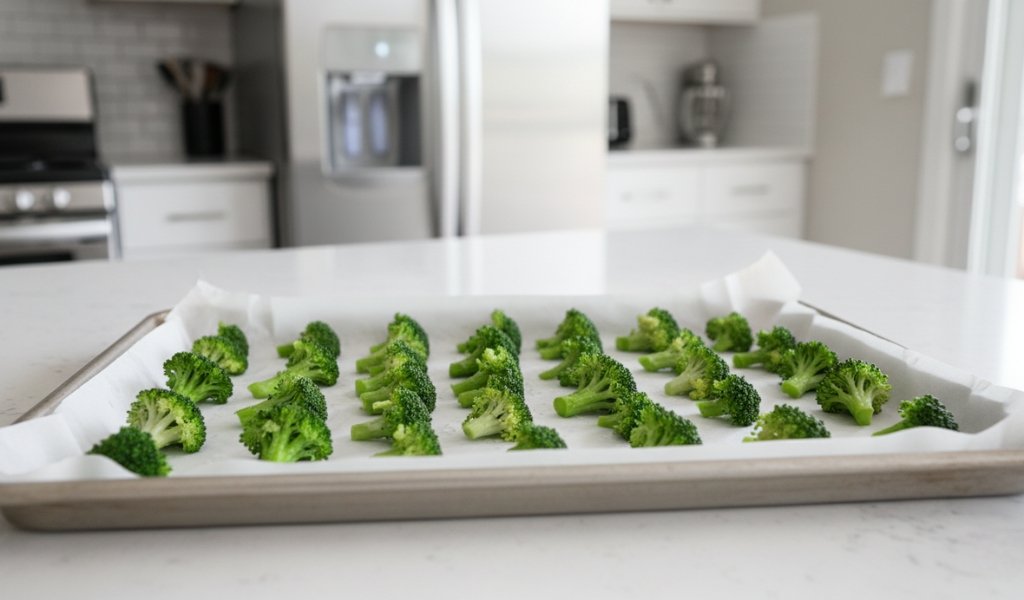
Once your frozen broccoli is ready for its long-term home, consider the storage environment.
| Method | Shelf Life | Quality Level |
| Ziploc Freezer Bag (Air Squeezed Out) | 6–8 Months | Good |
| Vacuum Sealed Bag | 12–18 Months | Excellent (No Freezer Burn) |
| Rigid Plastic Container | 3–4 Months | Fair (Air Pockets cause ice crystals) |
Labelling is key. Always write the date and the contents on the bag. A bag of frozen broccoli looks surprisingly like frozen cauliflower or kale after six months of frost!
One of the best things about frozen broccoli is that you rarely need to thaw it. In fact, thawing it on the counter often makes it soggy.
Freezing Wet Broccoli: If you don’t pat the florets dry after the ice bath, the extra water turns into “freezer frost,” which destroys the flavor.
Overcrowding the Blanching Pot: If you add too much broccoli at once, the water temperature drops, and you end up “soaking” the broccoli rather than blanching it. Work in batches.
Using Old Broccoli: If it’s already limp in the fridge, freezing won’t make it firm again. Freeze it while it’s at its peak.
Using Regular Storage Bags: Standard “sandwich” bags are permeable to air. Always use bags label-ed “Freezer.”
Final Words
Knowing how to freeze broccoli is an essential skill for the modern, health-conscious kitchen. By taking the time to blanch, shock, and flash-freeze your fresh broccoli, you are effectively creating your own high-quality “convenience food.” You’ll save money, reduce your environmental footprint by cutting down on food waste, and ensure that a healthy, green side dish is always only five minutes away from your dinner table.
Stop letting those grocery store crowns go to waste—start building your freezer stash today!
Q: Can you freeze broccoli rabe or broccoli using this same method?
A: Yes! However, because broccoli and broccoli rabe have much thinner stalks, reduce the blanching time to 90 seconds to 2 minutes.
Q: Why did my broccoli turn out mushy after freezing?
A: This usually happens for two reasons: either you blanched it for too long (over 4 minutes) or you didn’t dry it thoroughly before putting it in the freezer.
Q: Can I use the microwave to blanch broccoli?
A: It is possible, but not recommended. Microwaves cook unevenly, meaning some parts of the broccoli will be overcooked while others still have active enzymes. The boiling water method is much more reliable.
Q: Is it safe to eat frozen broccoli that has freezer burn?
A: It is safe, but it won’t taste good. Freezer burn is simply dehydration. If the broccoli has white, dried-out patches, it’s best used in a blended soup where the texture and flavor can be masked by other ingredients.
Q: Can I freeze broccoli in a glass jar?
A: Yes, but leave at least an inch of “head-space” at the top of the jar. Be aware that glass can sometimes crack in the freezer if the contents shift or expand.